
The Accidental Astronauts
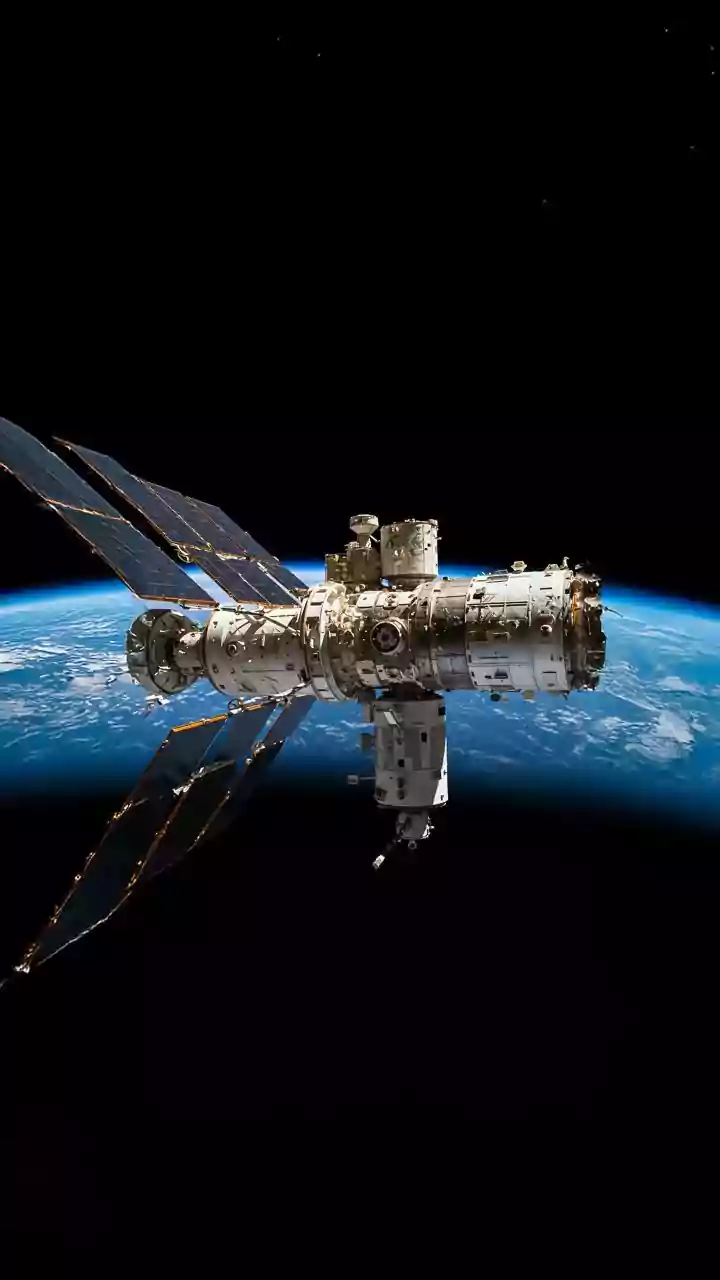
For years, scientists have been studying the inhabitants of the International Space Station (ISS), and not just the human ones. They’ve found that the station is teeming with microbial life, with some bacteria and fungi thriving despite constant cleaning
and exposure to the harsh space environment. Recent NASA-led studies have focused on specific microbes, like the black mold Aspergillus niger and bacteria such as Deinococcus radiodurans, which have been found not only inside the station but have shown they can survive on its exterior. These aren't just any germs; they are extremophiles, organisms that can withstand conditions like intense UV radiation, vacuum, and wild temperature swings that would kill most other forms of life.
A Risk to the Mission
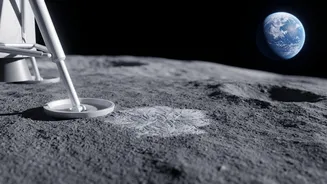
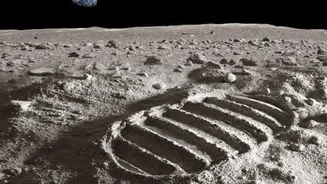
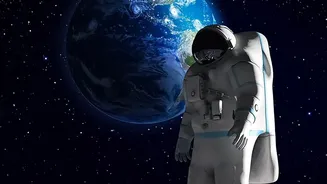
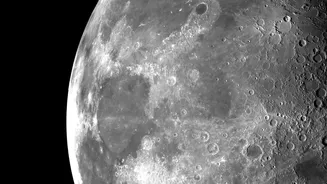
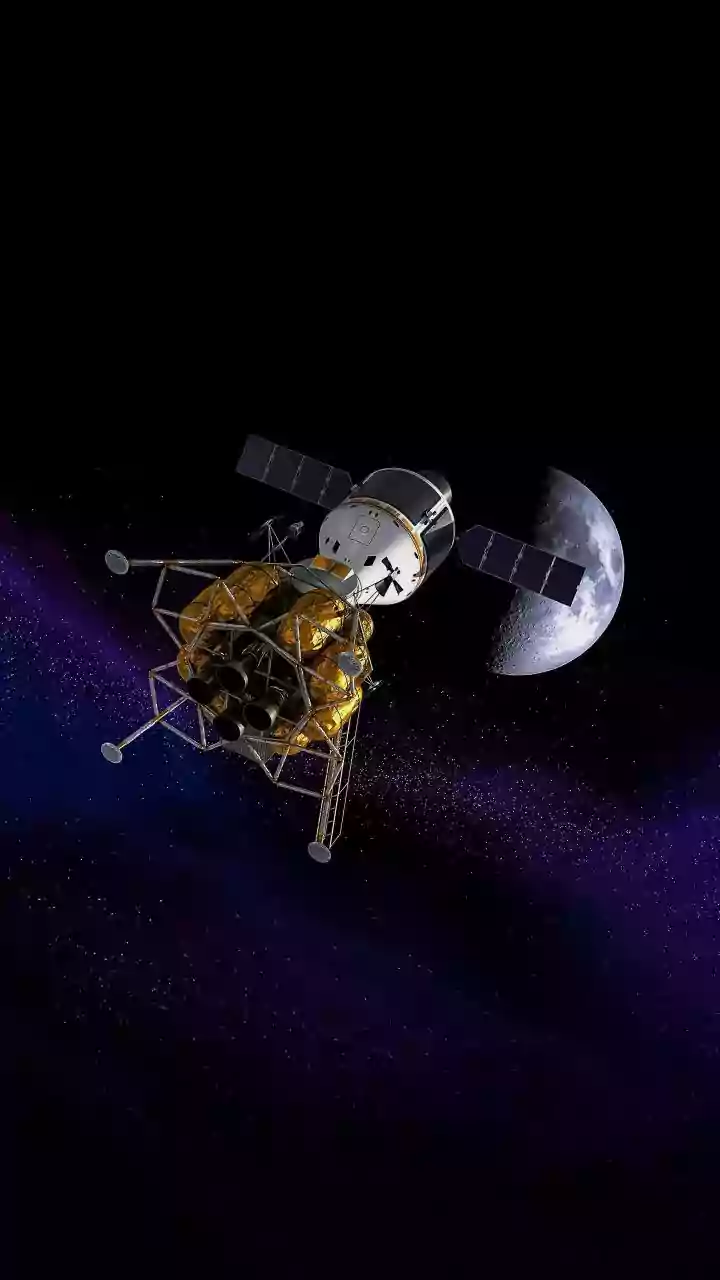
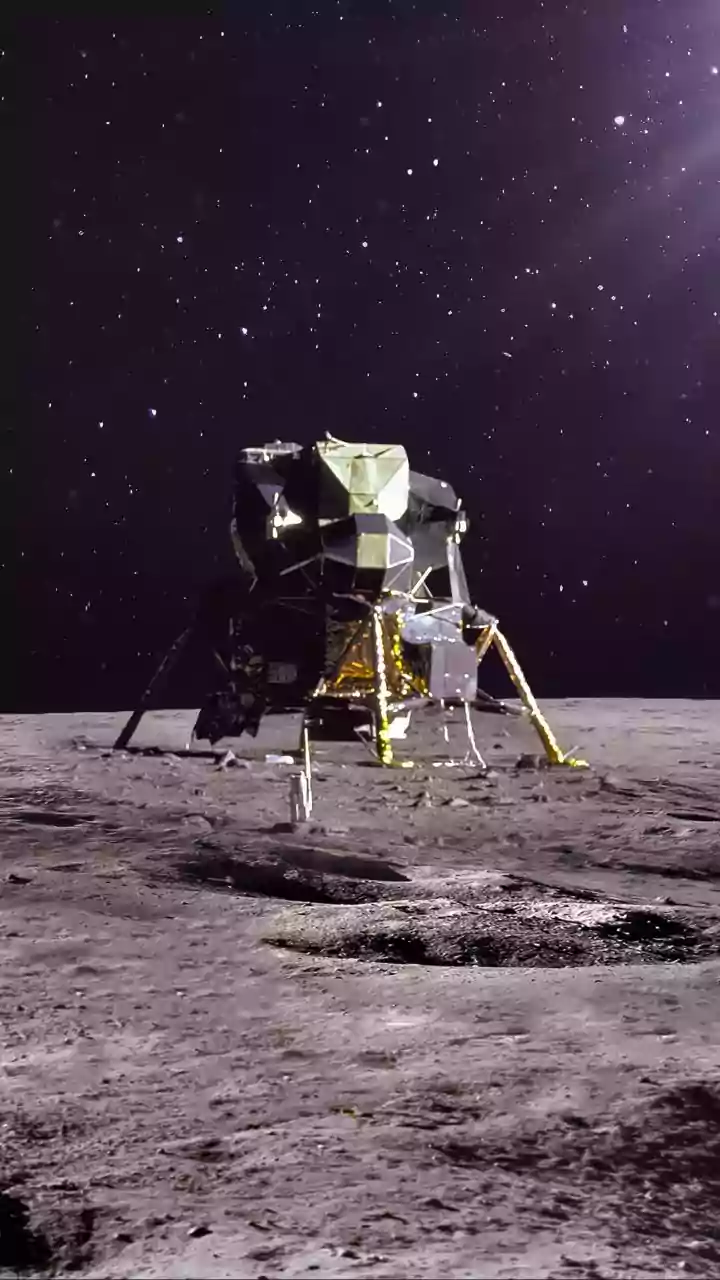
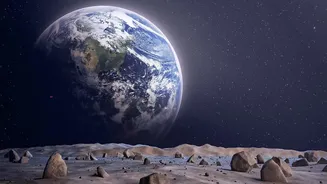
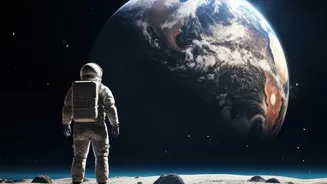
The hardiness of these microbes is a major concern for the Artemis program, which aims to establish a long-term human presence on the Moon. The primary risk is contamination. The lunar south pole, a target for Artemis missions due to its water ice, has permanently shadowed regions that could act as refuges for these hitchhiking microbes. Even an astronaut's boot print could create a small, shaded niche where microbes might survive. This could contaminate the pristine lunar environment, making it difficult for scientists to determine if any organic molecules they find are truly lunar or just contamination from Earth. Strict planetary protection protocols are being updated to address this, recognizing the new challenges these resilient organisms present.
A Threat to Astronauts and Equipment
Beyond scientific contamination, these microbes pose a direct risk to astronauts and their equipment. On long-duration missions, hardy microbes can form biofilms—slimy colonies that are notoriously difficult to remove. These biofilms can corrode vital equipment, clog life-support systems, and degrade seals. Furthermore, living in a confined space habitat with drug-resistant or stress-hardened microbes could pose a significant health risk to the crew. Astronauts experience changes to their immune systems in space, potentially making them more susceptible to infections from these tiny, unwanted crewmates that they themselves brought from Earth.
The Flip Side: A Lunar Opportunity
But this discovery isn't all bad news. The very resilience that makes these microbes a threat also makes them a powerful potential tool. Scientists are studying how these organisms survive in space, hoping to unlock their secrets for our benefit. This has given rise to the field of space biomining. Experiments on the ISS have already shown that certain bacteria can be used to leach valuable minerals and elements from rocks in microgravity. Future Artemis crews could theoretically use engineered microbes to mine lunar regolith for iron, titanium, or rare earth elements needed for construction and manufacturing. Other microbes could be used in bioregenerative life support systems to recycle waste, produce oxygen, or even grow food, reducing the need for costly resupply missions from Earth.