





Choose Your Destination Wisely
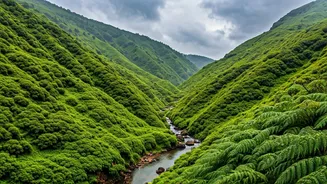
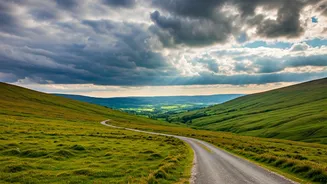
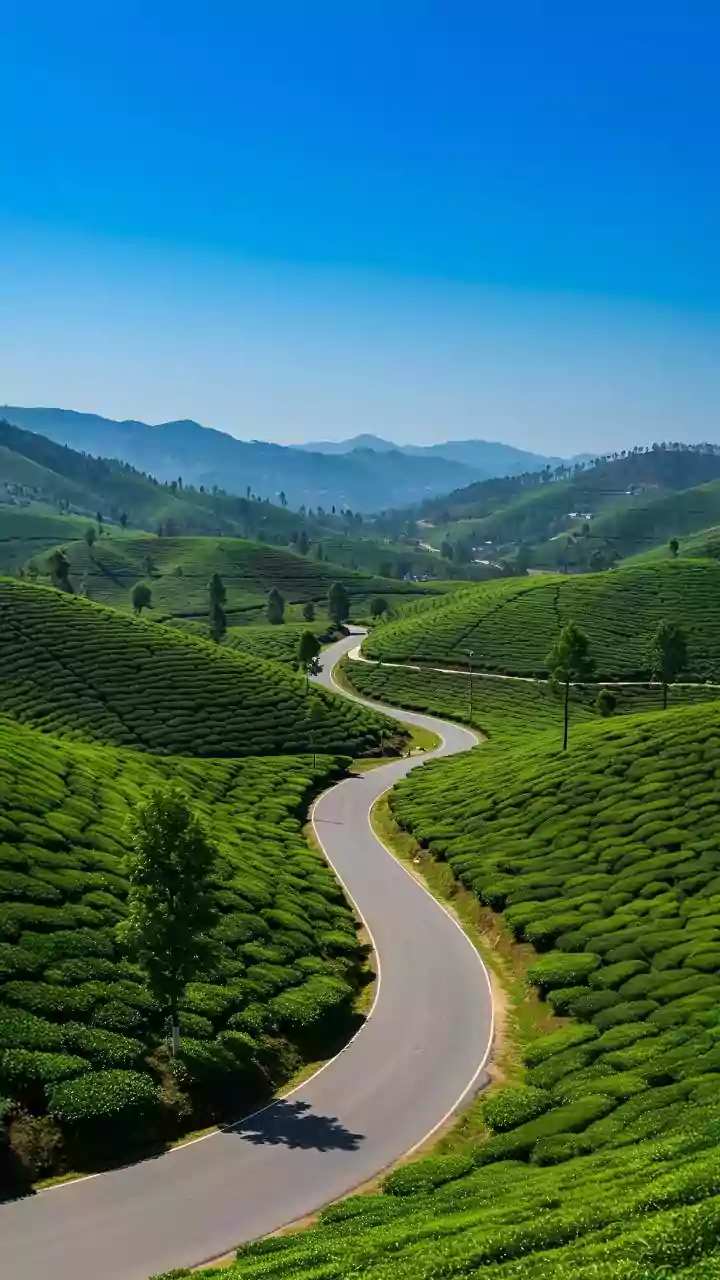
Not all scenic spots are safe during the monsoon. While places like Munnar, Coorg, and Udaipur are often recommended for their beauty and relatively stable infrastructure, other destinations, particularly in the Himalayas, can be prone to landslides and travel
disruptions. Before booking, check weather forecasts and advisories from local authorities. Some regions known for heavy rainfall might be best avoided, as roads can become impassable. If you're looking for wildlife, some national parks like Periyar in Kerala and buffer zones of parks in Maharashtra and Rajasthan remain partially open, offering unique safari experiences.
Prep Your Vehicle for Wet Roads
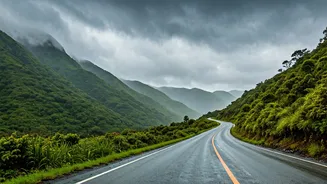
If you're planning a road trip, a pre-monsoon check for your car is non-negotiable. Driving on wet, slippery roads is challenging due to reduced visibility and traction. Ensure your tyres have adequate tread depth (at least 1.6 mm) to grip the road and prevent hydroplaning, where a layer of water builds up between the tires and the road surface, causing you to lose control. Check that your brakes, headlights, and windscreen wipers are in perfect working order. A functioning defogger is also crucial for maintaining clear visibility. When on the road, slow down, maintain a safe distance from the vehicle ahead, and never attempt to drive through waterlogged streets or underpasses, as water depth can be deceptive and cause severe engine damage.
Pack Smart, Not Just Light
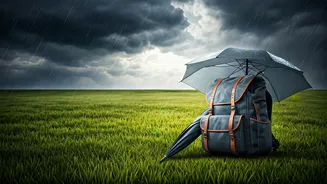
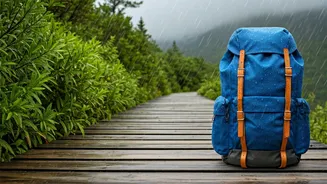
Monsoon packing is about function over fashion. Opt for lightweight, synthetic, and quick-drying clothes. Heavy fabrics like denim are a bad idea as they take forever to dry in the humid weather. A sturdy, waterproof jacket and reliable umbrella are essential. For footwear, choose rubber sandals or floaters with good grip; avoid flip-flops that can be slippery and cause you to splash mud on yourself. It’s also wise to carry a waterproof backpack or at least a rain cover for your luggage to protect your belongings, especially electronics. Packing a few extra pairs of clothes is always a good strategy in case you get drenched.
Prioritise Health and Hygiene
The rainy season brings an increased risk of infections. Mosquito-borne diseases like dengue and malaria are common, so carrying a strong insect repellent is a must. Wear long-sleeved clothing, especially in the evenings, to minimise bites. Water contamination is another major concern. Always drink bottled, boiled, or purified water and avoid tap water. Be cautious with street food, as high humidity can cause food to spoil quickly. Stick to freshly prepared hot meals from clean, reputable establishments. It's also a good idea to pack a basic first-aid kit with essentials for common ailments like colds, fever, and stomach issues, along with antiseptic cream and bandages.
Stay Alert and Flexible on the Go
Monsoon weather is unpredictable, and your plans should be flexible. Landslides, roadblocks, and flash floods can disrupt schedules, especially in hilly or coastal areas. It's safer to travel during the day and avoid being on the road at night during heavy rain. Keep your phone fully charged and carry a power bank, as power cuts can be frequent. Stay informed about local conditions and be prepared to change your itinerary. Sometimes, the best part of a monsoon trip isn't sticking to a rigid plan, but enjoying a cup of hot tea from your hotel balcony while watching the rain fall.