





The Science of a Shrinking Room
High humidity has a tangible effect on our perception of indoor environments. When the air is saturated with water vapour, it feels heavier and more stagnant, which can make a room feel stuffy and confined. [3, 8, 17] This sensation is worsened by the physical
effects of dampness; moisture can cause materials to swell slightly and lead to musty odours from mould and mildew, further contributing to a feeling of being closed-in. [4, 6] Studies show that increasing temperature and humidity directly lead to the air being perceived as less acceptable. [17] Our bodies also feel the difference, as high humidity inhibits the evaporation of sweat, making us feel warmer and more uncomfortable, which translates to a poorer perception of our living space. [18, 23]
Prioritise Ventilation and Airflow
The most effective, no-cost solution is to improve your home's ventilation. [10] Trapped air is the primary culprit behind lingering dampness. [3] Make it a habit to open windows on opposite sides of your flat to create cross-ventilation, which flushes out moist air. [3, 10] If it's raining, even opening a window for 10-20 minutes after a shower or while cooking can make a significant difference. [2] Use exhaust fans in your kitchen and bathroom religiously to expel steam and moisture directly outside. [4, 8, 10] It’s also crucial to ensure airflow isn't blocked. Try to leave a small gap between large furniture and walls, particularly external walls, to prevent moisture from getting trapped. [8, 11]
Invest in Dehumidifying Solutions
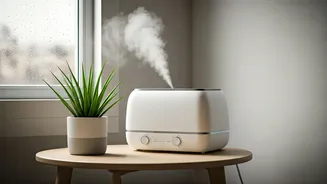
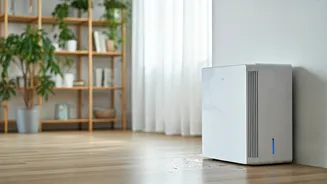
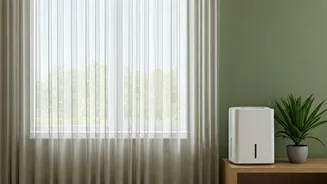
When ventilation isn't enough, a dehumidifier is your best ally. These appliances work by drawing in moist air, removing the water, and releasing drier air back into the room. [12] For small flats, a compact or portable dehumidifier is ideal and can be moved between rooms as needed. [5, 12] If you're looking for natural alternatives, several household items can absorb excess moisture. Bowls of rock salt, baking soda, or activated charcoal placed in corners or cupboards can help reduce dampness. [3, 14] Commercially available moisture absorbers containing calcium chloride are also highly effective for small, enclosed spaces like wardrobes. [14, 15]
Declutter and Rethink Your Storage
Clutter restricts airflow and gives moisture more surfaces to cling to. [5] A cluttered room will invariably feel damper and smaller. During humid seasons, it’s a great time to declutter and organise your space. Opt for smart storage solutions that lift items off the floor, improving air circulation underneath. Avoid pushing furniture right up against walls, as this creates pockets where damp air can stagnate. [8, 11] Leaving wardrobe doors slightly ajar can also help air circulate around your clothes and prevent mustiness. [9] Fewer items in a room mean fewer surfaces to trap moisture and a greater sense of open space.
Use Light and Fabrics to Your Advantage
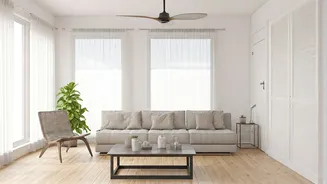
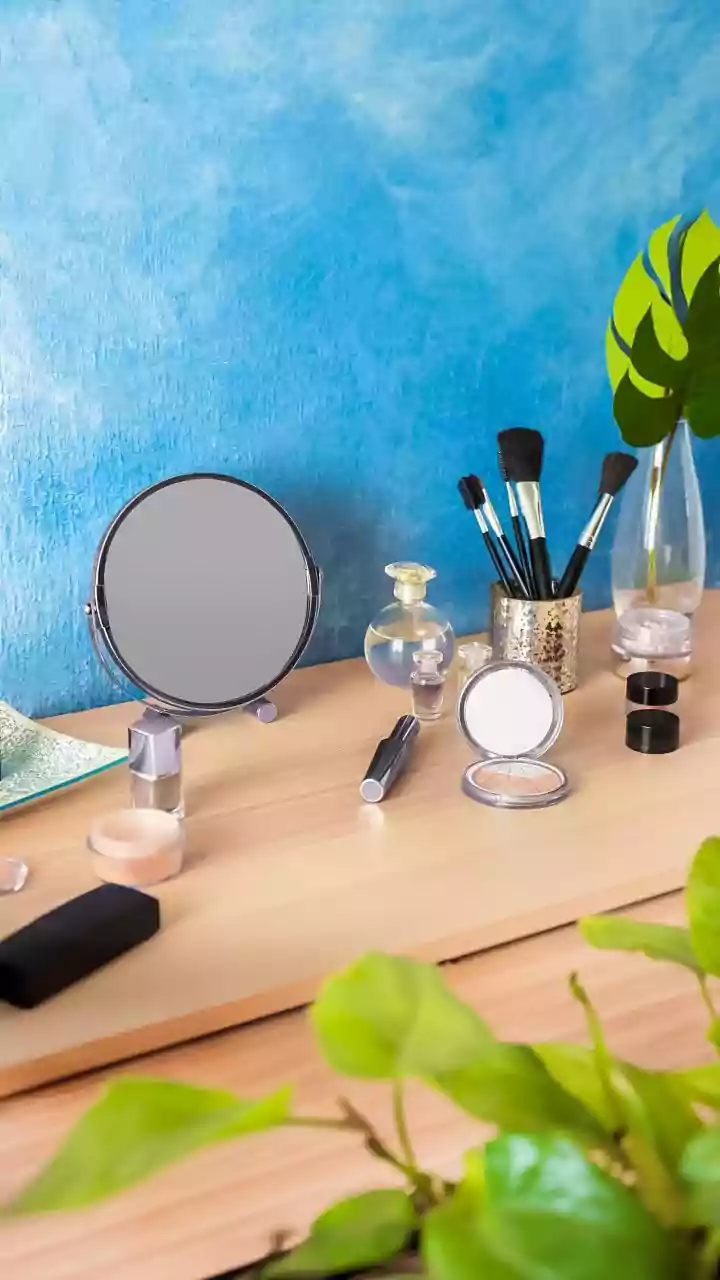
Damp weather is often accompanied by grey, overcast skies, which reduces the amount of natural light entering your home. This gloominess can enhance the feeling of being in a small, cramped space. You can counteract this by maximising light. Use mirrors to reflect light around the room, and opt for cool-toned LED bulbs to create a brighter, crisper atmosphere. Your choice of textiles also matters. Heavy fabrics like wool and velvet can absorb and hold moisture, making them feel heavy and damp. [9] Consider swapping them for lighter, more breathable materials like cotton or linen for curtains, cushions, and throws during the monsoon season. [9] Also, be sure to roll away carpets, which are prone to trapping moisture and developing mould. [10]