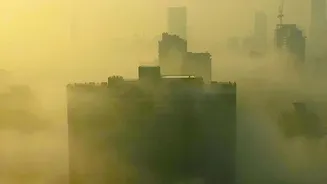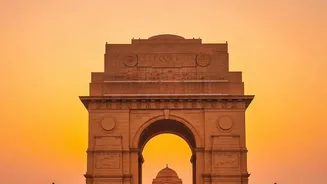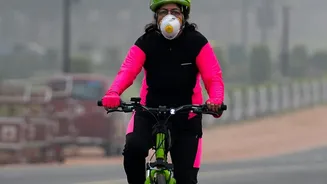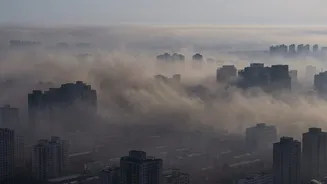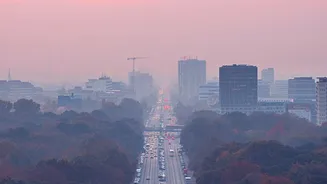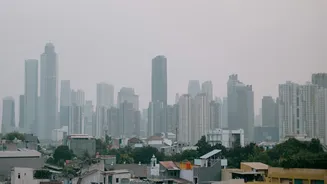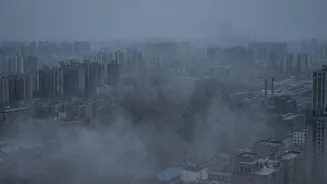



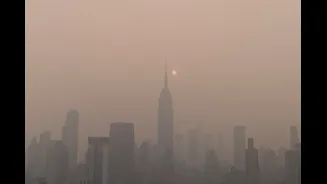
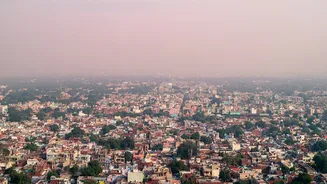
For residents of Delhi, the annual return of a thick, toxic smog is a grimly familiar reality. A new analysis by the Centre for Science and Environment (CSE) now quantifies the damage, revealing that the crisis is deeper and more persistent than ever.
An Escalating Public Health Crisis
The most alarming impact of Delhi's toxic air is on human life itself. According to the Air Quality Life Index (AQLI) from the University of Chicago, residents in Delhi are on track to lose as much as 11.9 years of life expectancy if the current severe pollution levels persist. Even this staggering figure may not capture the full picture. The latest CSE report, released in November 2026, highlights that early winter pollution this year is worse than in previous years, with PM2.5 concentrations hitting a three-year high before Diwali. This isn't just about long-term risk; the immediate effects are overwhelming. Hospitals report a surge in patients with respiratory distress, and studies have shown that increased pollution levels correlate with a rise in all-cause mortality, with deaths occurring at a younger age. The pervasive pollution is linked to hypertension, chronic headaches, eye irritation, and a host of other non-respiratory ailments.
The Choking Effect on Children
Perhaps the most tragic victims of the pollution crisis are children. Because their lungs are still developing and they breathe faster than adults, they inhale a greater volume of pollutants relative to their body weight. This constant exposure can permanently impair lung growth, leading to reduced lung capacity in adulthood. Studies show that children in Delhi suffer from significantly higher rates of respiratory symptoms like persistent coughs, breathlessness, and disturbed sleep compared to their rural counterparts. The impact goes beyond the lungs. A growing body of research links air pollution to cognitive issues in children, including difficulty concentrating and reduced alertness, potentially affecting their performance in school. It's a crisis that steals not just their health but also their future, forcing school closures and trapping them indoors during peak pollution periods.
The Unseen Economic Drain
Beyond the devastating health toll, air pollution exacts a massive economic price. A 2021 study in The Lancet estimated that lost output from premature deaths and morbidity due to air pollution cost India 1.36% of its GDP in 2019, equivalent to about $36.8 billion. Delhi recorded the highest per-capita economic loss in the country. These costs manifest in multiple ways: lost productivity from worker absenteeism, increased healthcare expenditures for pollution-related illnesses, and reduced consumer footfall for businesses. During severe smog episodes, sales of respiratory medicines can increase sixfold. The crisis also harms asset productivity and deters tourism, with a survey revealing that nearly twondrds of tourism businesses see air pollution as a major factor in declining activity. This creates a vicious cycle where the very economic activities that contribute to pollution also suffer from its consequences.
The Real Culprits and Failed Solutions
While stubble burning in neighbouring states is often blamed, the latest CSE analysis reveals a more complex reality. Even when the contribution from farm fires declines, Delhi's pollution remains at severe levels, pointing to the dominant role of local and regional sources. Vehicular transport is the single largest local contributor, accounting for 52% of PM2.5 from sources within Delhi. This is compounded by pollution transported from other NCR districts, which can account for over half of the city's PM2.5 burden. The CSE report also notes that recent emergency measures, such as restricting traffic, have had a negligible impact on reducing congestion, with toxic nitrogen dioxide from vehicle exhaust remaining trapped in the city air until midnight. This underscores that seasonal, reactive measures are failing to address a problem rooted in yearround emissions from transport, industry, and other urban activities.