


The Golden Thread of Indian Kitchens
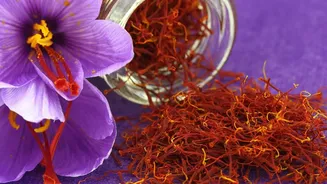
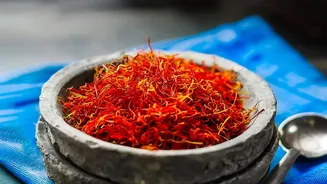
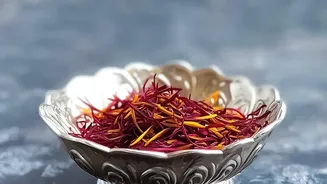
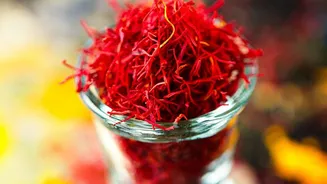
Saffron, or kesar, consists of the delicate dried stigmas of the Crocus sativus flower. It is prized globally for its distinct, honey-like and earthy aroma, subtle flavour, and the brilliant golden colour it imparts to food. In India, its use is steeped
in tradition, often associated with royal Mughlai cuisines, festive sweets, and celebratory dishes like Biryani. However, its reputation as the world's most expensive spice can be intimidating, leading many to keep it locked away. The key to enjoying saffron more often is understanding that a little goes a very long way; just a few threads can transform an entire dish, making it a surprisingly practical addition to your spice collection.
Unlocking Saffron’s Magic: The Art of Blooming
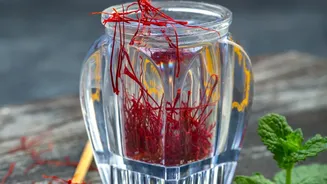
To get the most out of every precious thread, saffron needs to be 'bloomed'. This simple step unlocks its colour and flavour compounds, ensuring they disperse beautifully through your dish. The most common method is to lightly crush a pinch of saffron threads and soak them in a few tablespoons of a warm liquid—not boiling, as high heat can destroy its delicate aroma. For sweet dishes like kheer or shrikhand, warm milk is the ideal choice. For savoury preparations like pulao or curries, warm water or broth works perfectly. Let the threads steep for at least 15-20 minutes before adding the entire infusion to your recipe, usually towards the end of cooking to preserve its fragrance.
A Symphony of Sweets
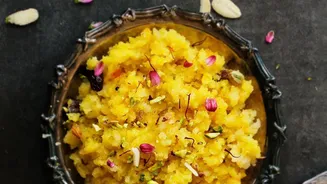
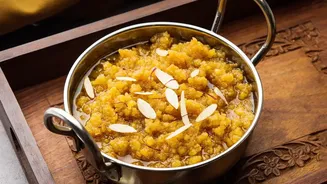
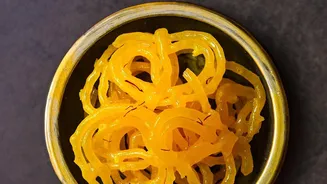
Saffron and Indian desserts are a match made in heaven. Its subtle bitterness and floral notes provide a sophisticated balance to the richness of milk-based sweets. In dishes like Kheer, Phirni, and Rabdi, saffron-infused milk adds a beautiful colour and an unmatched festive aroma. For Shrikhand, a no-cook yogurt dessert, a pinch of bloomed saffron folded into the thick curd provides a luxurious touch of flavour and colour. It's also the signature ingredient in many mithais, including Kesar Peda and Rasmalai, where it infuses the chenna patties and thickened milk with its golden essence.
Beyond Desserts: Savoury Surprises
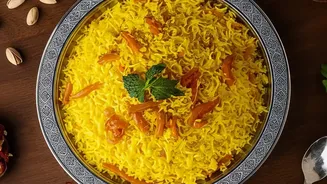
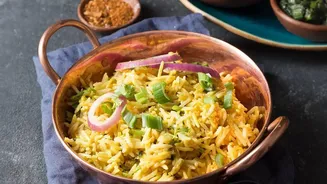
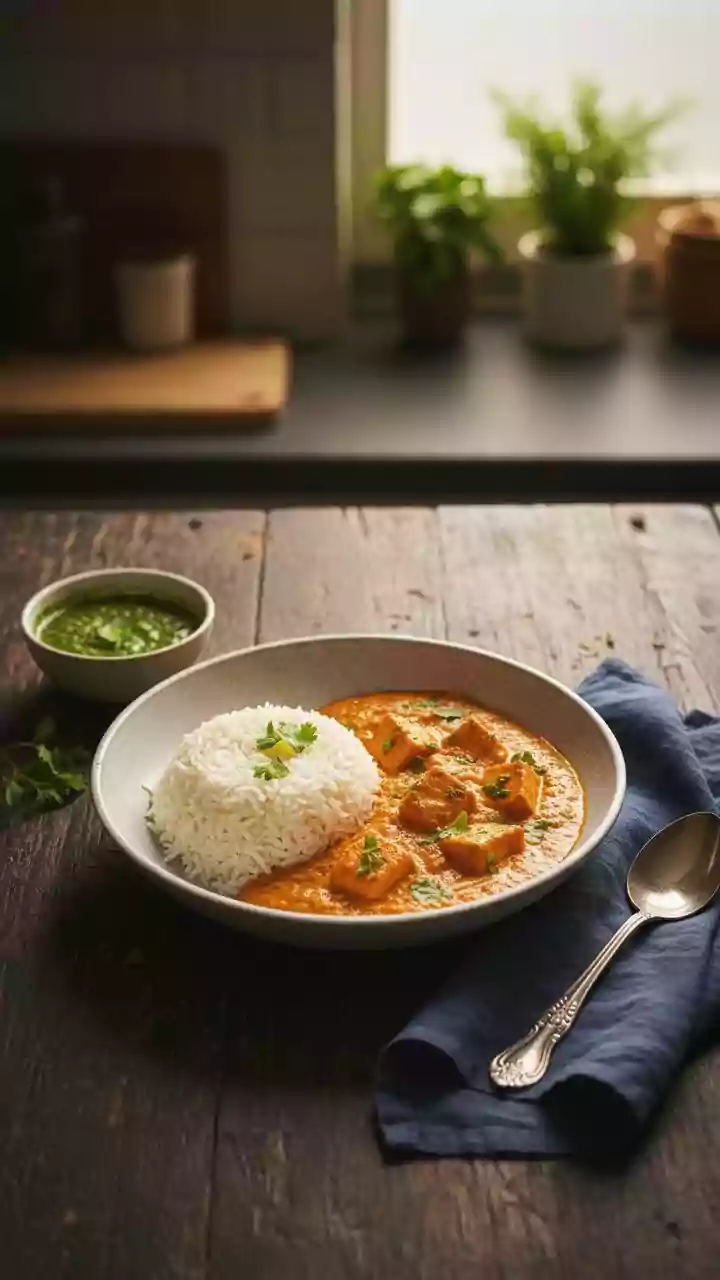
Saffron’s talents extend far beyond the dessert bowl. In savoury cooking, it lends a complex, aromatic depth that is difficult to replicate. The most classic example is Biryani, where droplets of saffron-infused milk are drizzled over the layers of rice, creating fragrant, golden streaks. A simple saffron pulao, enhanced with mild spices like cardamom and cinnamon, can turn a basic meal into an elegant affair. But its use isn't limited to rice. Saffron pairs wonderfully with chicken, paneer, and even seafood. A few strands added to a marinade for grilled chicken or a creamy gravy like in a Nawabi Kofta Curry can add a layer of royal richness to your weeknight dinner.
Simple Saffron for Daily Delights
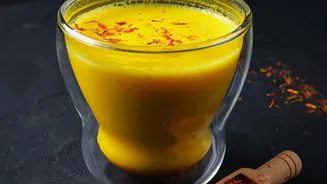
Incorporating saffron into your daily routine is easier than you think. A few bloomed threads can be stirred into your everyday pot of basmati rice to serve alongside dal or sabzi. A warm glass of Kesar Doodh (saffron milk) before bed is a comforting and traditional wellness drink. Even a simple raita can be made special with a swirl of saffron-infused yogurt. For a truly unique beverage, try making Kahwa, the traditional Kashmiri green tea infused with saffron, cardamom, and almonds. These small touches require minimal effort but bring a sense of occasion and refined flavour to ordinary moments.