







What Exactly Is Functional Strength?
Functional strength training is a type of exercise that prepares your body for the activities you perform in daily life. Think about lifting grocery bags, carrying a child, moving furniture, or simply getting up from a chair. These actions require a combination
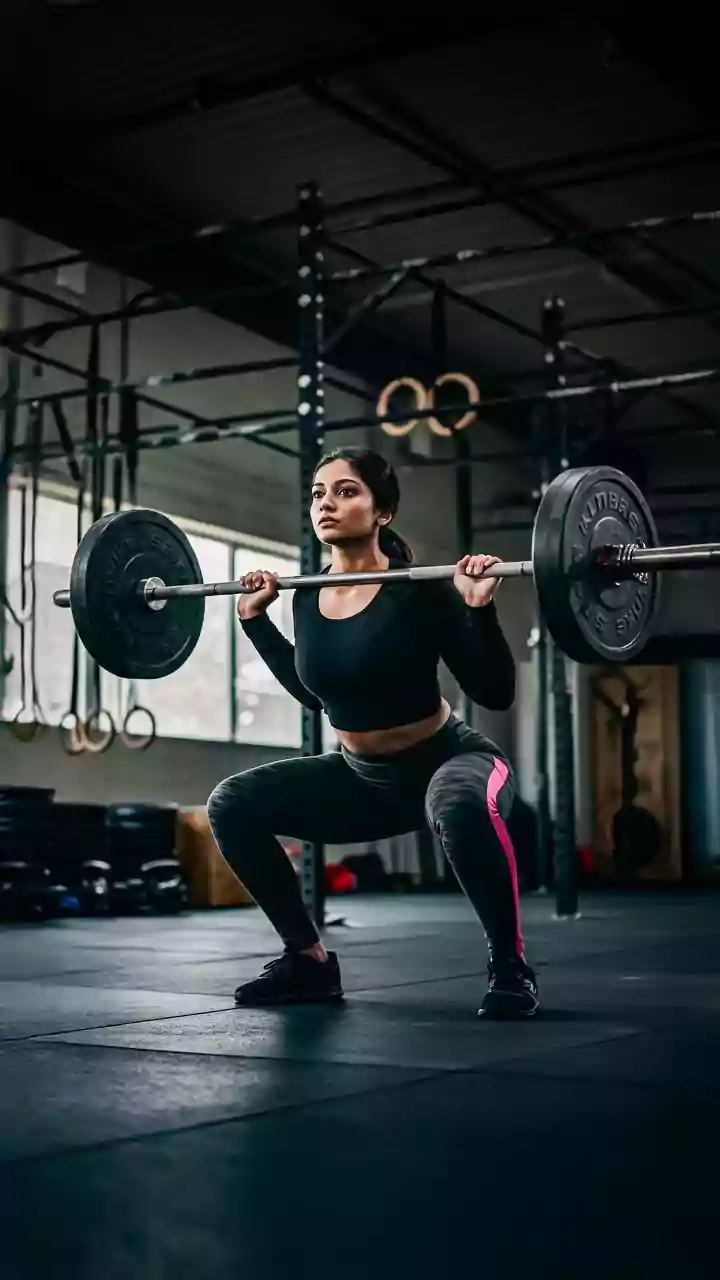
of strength, balance, coordination, and mobility. Unlike traditional training that might isolate a single muscle, like a bicep curl, functional fitness focuses on compound movements that engage multiple muscle groups and joints at once. Exercises like squats, deadlifts, and push-ups train your body to work as an integrated system, building strength that is directly applicable to real-world scenarios.
The Traditional Fitness Model
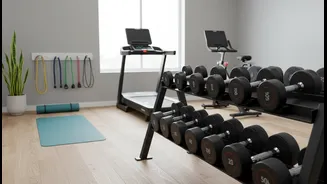
For decades, the dominant fitness narrative revolved around weight loss, often simplified to a battle of 'calories in vs. calories out'. This model championed long sessions of cardiovascular exercise, like running on a treadmill, and using machines designed to isolate specific muscles. While these methods can be effective for burning calories and building muscle mass in targeted areas, they don't always translate to improved performance in everyday life. The focus was often on aesthetics or hitting a target weight, sometimes at the expense of overall health, mobility, and injury prevention.
From Aesthetics to Real-World Ability
The rise of functional strength signals a significant cultural shift in what we value from exercise. It moves the goalposts from simply looking fit to being physically capable and resilient. This change is about training for longevity, independence, and a higher quality of life. Instead of asking, "How many calories did I burn?", the new question is, "Am I strong enough to do the things I love and need to do?" This approach empowers people by focusing on what their bodies can do, building confidence that extends far beyond the gym. It also aligns with a more holistic view of wellness, where mental health, mobility, and pain-free living are as important as physical appearance.
The Everyday Benefits of Being Functionally Strong
The advantages of this training style are tangible and immediate. Improved core strength and stability lead to better posture and a reduced risk of back pain. Training movements that mimic daily tasks makes those tasks easier and safer, significantly lowering your risk of injury whether you're lifting a heavy box or playing with your children. Furthermore, because functional exercises use multiple muscle groups, they can be very efficient for burning calories and improving body composition, meaning weight loss can be a positive side effect rather than the sole focus. You also build better balance and coordination, which helps prevent falls, especially as we age.
What a Functional Workout Looks Like
A functional workout is built around fundamental human movement patterns: squatting, hinging, pushing, pulling, and carrying. Exercises might include kettlebell swings, which build power in the hips for lifting; farmer's walks, which improve grip and core stability for carrying heavy loads; and lunges, which enhance single-leg strength and balance. You'll often see equipment like free weights, kettlebells, medicine balls, and resistance bands rather than a room full of stationary machines, as these tools allow for more natural and multi-directional movement. The key is that every exercise has a purpose that relates back to improving your life outside the gym.