




Why Your Diet Needs a Monsoon Makeover
The rainy season creates an environment where bacteria and viruses thrive. High humidity can slow down our digestive fire, or 'agni' as it's known in Ayurveda, making us more susceptible to indigestion, bloating, and stomach infections. Gastrointestinal
infections see a significant spike during these months. Furthermore, the risk of contamination in food and water increases, making it crucial to be mindful of what we eat. A seasonal diet focuses on light, easily digestible foods that are freshly prepared and help bolster the immune system to fight off common monsoon ailments.
Foods to Welcome This Season
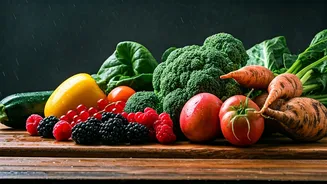
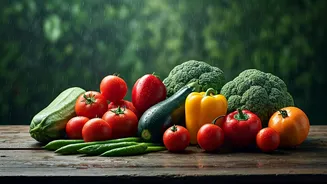
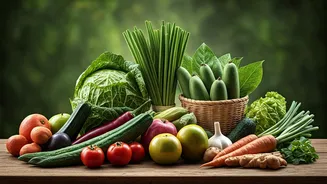
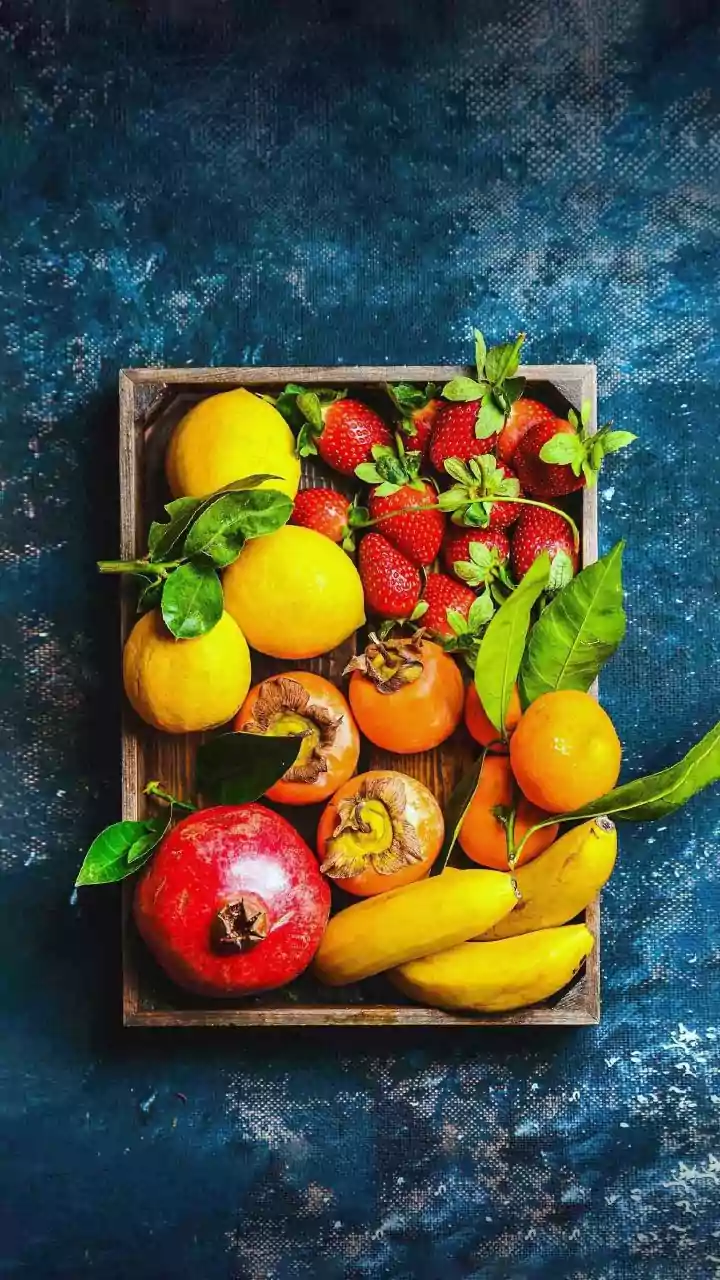
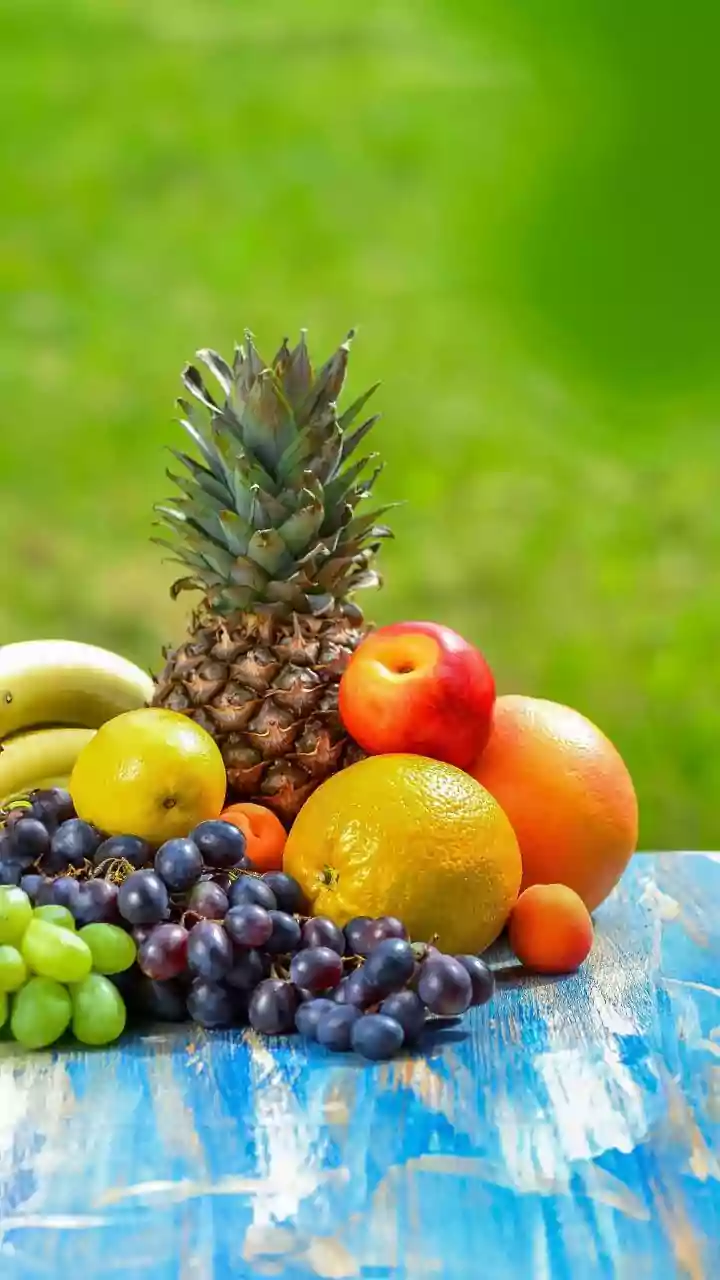
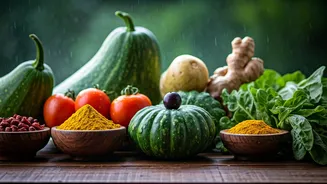
To keep your system strong, embrace seasonal produce. Gourds like lauki (bottle gourd), turai (ridge gourd), and karela (bitter gourd) are excellent choices as they are light and easy to digest. Seasonal fruits such as jamun, plums, cherries, peaches, and pomegranates are packed with essential vitamins like A and C, antioxidants, and fibre, which are crucial for a strong immune response. Incorporating spices like turmeric, ginger, garlic, and black pepper into your cooking is also highly beneficial. These spices have anti-inflammatory, antiviral, and antibacterial properties that help the body defend itself against pathogens. Warm, freshly cooked meals like soups, broths, and khichdi are ideal as they are gentle on the digestive system.
Immunity-Boosting Powerhouses
Specific foods are particularly effective at strengthening your immunity during this vulnerable time. Probiotic-rich foods like yoghurt and buttermilk help maintain healthy gut flora, which is your first line of defence against harmful bacteria. Garlic and ginger are renowned for their ability to combat colds and flu. Adding lemon to your water or meals provides a great dose of Vitamin C, a potent antioxidant that enhances immune function. Herbal teas, especially those made with tulsi, ginger, and cinnamon, not only keep you hydrated but also provide soothing and immune-boosting benefits.
What to Keep Off Your Plate
Just as important as what you eat is what you avoid. Leafy green vegetables like spinach and cabbage, while normally healthy, should be limited. The dampness and mud make them prime breeding grounds for germs and worms, which can be difficult to wash off completely. It's best to steer clear of street food, including chaat and pre-cut fruits, as the risk of contamination from unclean water and exposure to the humid air is very high. Seafood consumption should also be reduced, as the monsoon is the breeding season for fish, making fresh catches scarce and increasing the risk of spoilage. Heavy and fried foods, though tempting, can overwhelm a sluggish digestive system, leading to bloating and indigestion.
Smart Hydration and Cooking Habits
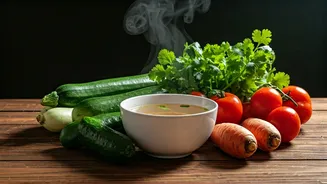
Staying hydrated is key, but the source matters. Always opt for boiled, filtered, or purified water to avoid waterborne diseases. Warm fluids like herbal teas and clear soups are excellent choices that aid both hydration and digestion. When it comes to cooking, prefer methods like steaming, grilling, and boiling over frying. Ensure all vegetables and fruits are washed thoroughly with clean water before consumption. It's also wise to avoid raw foods like salads unless prepared at home with utmost hygiene. Making fresh food for every meal is the best practice, as leftovers can spoil quickly in the humid weather.