

Why Waiting Is a Gardener's Biggest Mistake
When a plant stem bends, it’s not just a cosmetic issue. That sharp crease or fold signifies real damage to the plant's vascular system. Think of it as a pinched straw; the xylem and phloem tissues responsible for transporting water and nutrients become
compromised. This restricts the flow of essential resources, slowing growth and stressing the plant. A bent stem is also an open invitation for pests and diseases to attack the weakened tissue. While you might be able to splint a damaged stem, it will likely never be as strong or productive. Prevention is always better than a cure that may never fully work.
Early Warning Signs Your Plant Needs Help
The best time to add support is well before the plant is in distress. Look for these subtle clues that it’s time to act. If a plant is shooting up quickly, its stem might not be strong enough to support its future weight. Plants known for heavy blooms, like peonies or dahlias, should be supported early as a rule. The same goes for vegetables like tomatoes and peppers as soon as they start flowering, as the fruit will add significant weight. After a strong wind or heavy rain, check if your taller plants are leaning even slightly; this is a clear sign their root system and stem need backup. Even some indoor plants, sheltered from the elements, can develop weak stems and require support as they grow taller.
Choose the Right Tool for the Job
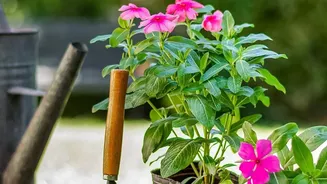
Plant supports are not one-size-fits-all. The ideal support depends on the plant's growth habit. Single stakes, made of bamboo or metal, are perfect for single-stemmed plants like delphiniums, sunflowers, or gladioli. Tomato cages are excellent for bushy, sprawling plants like indeterminate tomatoes and peppers, providing support from all sides. Trellises are essential for vining plants like peas, beans, cucumbers, and climbing flowers, giving them a structure to cling to as they grow vertically. For multi-stemmed perennials like peonies, circular supports or linked stakes placed early in the season allow the plant to grow up through them, hiding the support system naturally.
The Art of Gentle Installation
The golden rule of adding support is to do it early. Ideally, supports should be placed at the time of planting or when the plant is still young and just a few inches tall. This allows you to position the support without damaging the plant's delicate root system. When inserting a stake, place it a few inches away from the main stem to avoid piercing the roots. Use soft ties, like garden twine or strips of cloth, to secure the stem to the stake. Tie in a figure-eight loop, with the crossover point between the stem and the stake, to prevent the tie from cutting into the stem as it grows. Never tie the stem too tightly; it needs room to move and expand.