



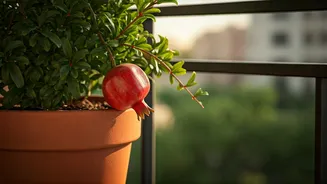


The Power of the Sun
The first and most critical ingredient for a happy pomegranate plant is sunlight. These plants are sun-worshippers, thriving in the warm, dry climates found across many parts of India. For your plant to produce the best flowers and, subsequently, fruit,
it needs at least six to eight hours of direct, unfiltered sunlight every day. A spot in your garden, terrace, or balcony that faces south is often ideal. If your plant gets less sun, it might still grow, but it will likely produce fewer fruits. Think of sunlight as the primary fuel for your plant's engine; without enough of it, you simply won’t get the power needed for a bountiful harvest.
Choosing and Planting
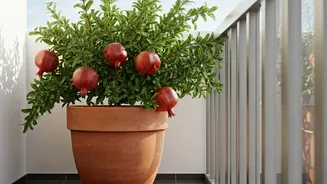
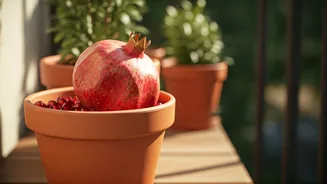
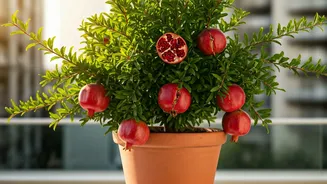
While you can grow pomegranates from seeds, starting with a sapling from a nursery is much faster and more reliable. Popular varieties like 'Bhagwa' and 'Ganesh' are well-suited for Indian home gardens, known for their sweet taste and good yield. The key to planting is ensuring the soil is right. Pomegranates despise having wet feet, so well-draining soil is non-negotiable to prevent root rot. A mix of regular garden soil, compost, and a bit of sand creates an ideal environment. If you’re planting in a pot, make sure it’s large and has plenty of drainage holes. When planting, dig a hole that is twice as wide as the root ball, enrich it with some well-rotted manure, and water thoroughly after placing the sapling to help the roots settle.
The Art of Watering and Feeding
This is where dedicated 'care' comes into play. Young pomegranate plants need regular watering to establish their root system, typically once or twice a week in dry periods. As the plant matures, it becomes quite drought-tolerant. However, the secret to juicy fruits is consistent moisture, especially during the flowering and fruiting season. Irregular watering can cause the fruits to crack. A good rule is to water deeply when the top few inches of soil feel dry. Feeding is also simple. Pomegranates aren't heavy feeders, but they appreciate an annual dose of organic compost or a balanced fertilizer in the spring to encourage healthy growth.
Pruning for a Purpose
Pruning might seem intimidating, but for pomegranates, it’s about shaping the plant and encouraging fruit. In India, it's common to train the plant into a multi-stem shrub rather than a single-stem tree, which helps protect it from pests like stem borers. The main pruning should be done in the winter when the plant is dormant. Your goal is to remove any dead, diseased, or crossing branches to improve air circulation. Also, trim away any suckers that grow from the base of the plant, as they divert energy from the main branches where fruit will form. A light trim helps maintain the plant’s shape and focuses its energy on producing beautiful, healthy pomegranates.
Dealing with Pests
Even with the best care, you might encounter some common pests. The pomegranate fruit borer is a major culprit in India, where larvae tunnel into the fruit, causing it to rot from the inside. Regularly inspecting your plants and removing any affected fruits immediately is a good cultural practice. Aphids and mealybugs can also appear, sucking sap from tender new growth. For most home gardeners, a simple spray of neem oil solution is an effective organic way to manage these pests without resorting to harsh chemicals. Maintaining good orchard hygiene by keeping the area around the plant clean also goes a long way in preventing pest problems.
The Final Ingredient: Patience
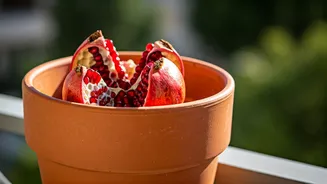
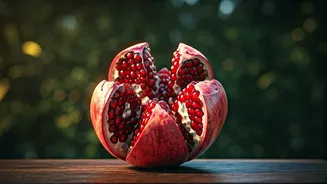
This is perhaps the most important part of the journey. A pomegranate plant will not give you fruit in its first year. Typically, you can expect to see your first proper harvest in the second or third year after planting. It can take five to seven months for a flower to develop into a mature fruit ready for picking. You'll know the fruit is ripe when its colour deepens and the skin changes from shiny to matte. The wait can feel long, but the moment you cut open a pomegranate that you have nurtured from a small sapling is incredibly gratifying. This slow, deliberate process is what makes every juicy aril taste like a sweet victory.