







Defining the Dominant Scents
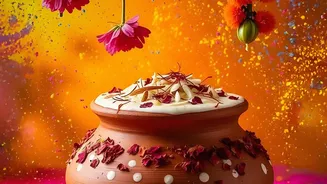
First, let's decode the terminology. Gourmand fragrances are scents that smell almost edible. Think of notes like vanilla, chocolate, coffee, caramel, and almond. They are comforting and often trigger happy, nostalgic feelings. Oriental fragrances, a traditional
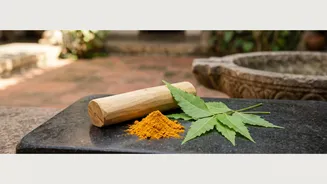
category, are known for their rich and sensual character, built around spices, resins, and warm woods. This family includes notes like cardamom, cinnamon, myrrh, and oud. It's important to note that the industry is moving away from the term 'Oriental' due to its dated origins, now preferring the term 'Ambery' to describe this warm, spicy, and resinous family of scents. For Indian consumers, these notes are deeply familiar, echoing the spices found in festive cuisine and traditional Ayurvedic practices.
The Psychology of Comfort and Nostalgia
The primary reason for the popularity of these fragrances is deeply psychological. Our sense of smell is directly linked to the parts of the brain that process memory and emotion—the amygdala and hippocampus. This is why a particular scent can instantly transport you back to a childhood memory. Gourmand notes of vanilla might remind you of your mother baking, while the spicy warmth of an ambery perfume can evoke the scent of Diwali preparations. During festivals, a time centered on tradition and family, these fragrances provide a powerful sense of comfort, security, and nostalgia, essentially acting as an 'olfactory hug'. They make us feel good because they connect us to happy memories.
A Craving for Warmth and Opulence
The festive season in India often coincides with a shift to cooler, crisper weather. Much like we trade our summer clothes for cozy sweaters, we seek out fragrances that provide a sense of warmth. Gourmand and ambery notes are perfect for this, as their rich, deep profiles feel comforting on cool evenings. Furthermore, festivals are a time for indulgence and luxury. These scents, with their opulent character, align perfectly with the celebratory mood. Notes like oud, saffron, sandalwood, and vanilla are not just scents; they are statements of richness and elegance, making them ideal for special occasions like weddings and evening parties.
The Rise of Indian Olfactory Identity
For years, Western fragrance trends dominated the market. However, there's a growing appreciation for scents that resonate with a distinct Indian identity. Many homegrown and niche perfume brands are championing notes that are intrinsically part of our culture. Ingredients like saffron, cardamom, jasmine, sandalwood, and oud are being celebrated in modern perfumery, moving from traditional attars into sophisticated, long-lasting perfumes. This shift reflects a broader consumer desire for authenticity and products that tell a story rooted in our own heritage. Shoppers are no longer just buying a perfume; they are choosing a scent that reflects their cultural pride and personal history.
Making a Lasting Impression
Festive gatherings are social events where people want to look, feel, and smell their best. Gourmand and ambery fragrances are known for their excellent performance, often featuring strong projection (the distance the scent travels) and longevity (how long it lasts on the skin). In a crowded, celebratory environment filled with the aromas of food, flowers, and incense, a robust fragrance is necessary to make its presence felt. These bold and memorable scents ensure you get noticed and leave a lasting, pleasant trail, making them a practical and popular choice for everything from a family lunch to a grand Diwali party.