


1. Makhan Misri
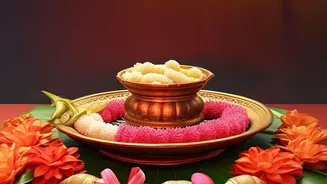
No Janmashtami bhog is complete without Makhan Misri, famously known as Lord Krishna's absolute favourite. This offering is the easiest to prepare and holds immense significance. The name itself reveals the recipe: ‘Makhan’ (white butter) and ‘Misri’
(rock sugar). To prepare this, you simply need fresh, unsalted white butter. Traditionally, this butter is churned at home from full-fat cream or malai, but good quality store-bought butter works as well. Take a portion of the soft butter and mix it with crushed rock sugar. The key is to not powder the misri completely; leaving small crystals provides a delightful texture. You can also add a few tulsi (holy basil) leaves, which are considered sacred in offerings. This no-cook prasad is not just a sweet treat but a symbol of pure, unadulterated love and devotion.
2. Panchamrit
Panchamrit, which translates to 'five nectars', is another essential offering for any puja, including Janmashtami. It is a sacred mixture of five key ingredients: raw cow's milk, curd (yogurt), honey, ghee (clarified butter), and sugar. Preparing it is incredibly simple. In a clean bowl, preferably made of silver or steel, combine the five core ingredients. Start with raw milk, then add a spoonful of fresh curd, a drizzle of honey, a teaspoon of ghee, and a bit of sugar. Many recipes suggest using jaggery or misri instead of white sugar for a more traditional touch. Gently mix everything together. To enhance the offering, you can add chopped nuts like almonds and cashews, chironji, or a few strands of saffron. A few tulsi leaves are also a customary addition, though some traditions omit them for Janmashtami. This divine concoction is first offered to the deity and then distributed among devotees as 'charanamrit'.
3. Coconut Ladoo
Coconut Ladoos, or Nariyal Ke Laddu, are a beloved festive sweet across India and make for a wonderfully simple bhog. There are several ways to make them, but the quickest version uses just two main ingredients: desiccated coconut and sweetened condensed milk. To prepare, simply combine about two cups of desiccated coconut with a can of condensed milk in a heavy-bottomed pan. Cook this mixture on a low flame, stirring continuously until it thickens and starts to leave the sides of the pan. This should take about 10-15 minutes. Be careful not to overcook, as the ladoos can become hard. Once thickened, turn off the heat and add a pinch of cardamom powder for fragrance. Let the mixture cool down just enough so you can handle it. Grease your palms with a little ghee, take small portions of the mixture, and roll them into firm, round balls. You can roll the finished ladoos in more desiccated coconut for a beautiful finish.
4. Makhana Kheer
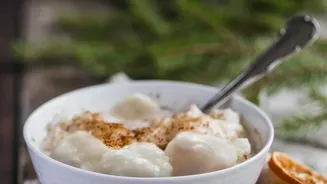
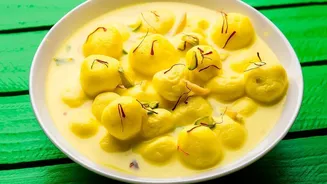
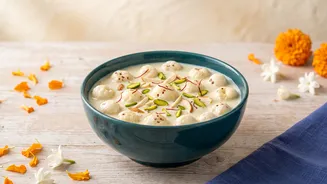
Makhana Kheer, or fox nut pudding, is a delicious, creamy, and fasting-friendly dessert that is perfect for Janmashtami. Makhanas are light, nutritious, and have a unique texture that works beautifully in kheer. To make a simple version, start by roasting about a cup of makhanas in a tablespoon of ghee until they become crisp. Once they cool, you can coarsely crush about half of them to help thicken the kheer, leaving the other half whole for texture. In the same pan, bring about a litre of full-fat milk to a boil. Add the crushed and whole makhanas, along with a few strands of saffron, and let it simmer. Stir occasionally to prevent sticking. Once the milk reduces and thickens and the makhanas are soft, add sugar to taste. For a quicker process, you can use condensed milk instead of sugar, which will also add to the creaminess. Finish with a sprinkle of cardamom powder and garnish with chopped nuts like pistachios and almonds.
5. Instant Milk Peda
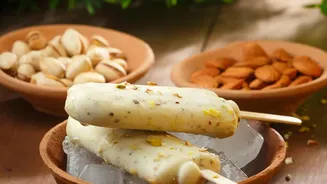
Peda is a classic offering, and with modern recipes, you no longer need to spend hours reducing milk. An instant version using milk powder can be ready in under 20 minutes. To make these, heat a non-stick pan and add a tablespoon of ghee, half a cup of milk, and half a can of condensed milk. Stir until everything is well combined. Now, on low heat, gradually add about a cup and a half of milk powder, whisking continuously to avoid lumps. Keep stirring the mixture as it begins to thicken. In just a few minutes, it will come together into a single, non-sticky mass that leaves the sides of the pan. Turn off the heat, stir in some cardamom powder, and transfer the dough to a plate to cool slightly. While it is still warm, knead it briefly to smoothen it out, then pinch off small portions and shape them into flat, round pedas. You can press a piece of pistachio or almond into the centre for garnish.