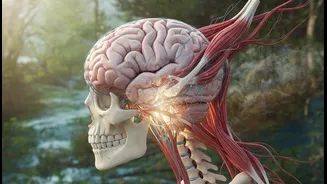









The Heart-Brain Superhighway
Think of the relationship between your heart and brain as a vital superhighway. Your brain, despite making up only about 2% of your body weight, is incredibly demanding, consuming 20% of your body’s oxygen and energy. It relies completely on the heart to
pump a steady supply of oxygen-rich blood to function. With every beat, your heart sends about a quarter of its output straight to your head. When this supply chain is compromised, the brain is the first to feel it. Conditions that damage the heart or blood vessels, such as high blood pressure or high cholesterol, also damage the intricate network of vessels in the brain. This can lead to everything from mild cognitive impairment to more severe outcomes like vascular dementia, which is caused by reduced blood flow to brain tissue. In fact, some studies show that as many as 80% of individuals with Alzheimer's disease also have cardiovascular disease.
The Metabolic Connection
Metabolic health is the bridge that connects the heart and brain. Your metabolism is the process of converting food into energy, and when it goes awry, it creates system-wide problems. A key player here is insulin, the hormone that helps cells absorb glucose (sugar) for energy. When you develop insulin resistance—a hallmark of poor metabolic health and prediabetes—your cells don't respond properly to insulin. This forces your pancreas to work overtime and leaves excess sugar in the bloodstream, which can damage blood vessels. But insulin isn't just for your body; your brain needs it, too. When the brain becomes insulin resistant, it struggles to get the fuel it needs, a state called cerebral glucose hypometabolism. This energy crisis is so strongly linked to cognitive decline that some researchers have begun calling Alzheimer's disease “Type 3 diabetes,” highlighting the deep connection between metabolic dysfunction and neurodegeneration.
A List of Shared Enemies
The risk factors for heart disease and cognitive decline are nearly identical, providing further proof of their linked fates. High blood pressure, especially in midlife, is a top offender, increasing the risk of both stroke and dementia by damaging the delicate blood vessels in the brain. Other shared enemies include high LDL (“bad”) cholesterol, which clogs arteries; obesity, which promotes inflammation; and smoking, which introduces oxidative stress that harms cells throughout the body. Having metabolic syndrome—a cluster of at least three conditions like excess belly fat, high blood pressure, high blood sugar, high triglycerides, and low HDL (“good”) cholesterol—is strongly associated with poorer brain health, even before any signs of dementia appear. A 2024 study found that the more of these risk factors a person had, the worse their cognitive performance and brain imaging results tended to be.
A Unified Strategy for a Healthier You
The good news is that protecting your brain, heart, and metabolism isn't three separate jobs. A strategy that benefits one system will benefit them all. The American Heart Association's “Life's Essential 8” provides a powerful, integrated checklist: eat a balanced diet, be physically active, don't smoke, get enough sleep, manage your weight, and control your cholesterol, blood sugar, and blood pressure. Adopting a Mediterranean-style diet, rich in fruits, vegetables, whole grains, and healthy fats, has been shown to support both heart and brain health. Aim for at least 150 minutes of moderate-intensity exercise per week, like brisk walking, which improves blood flow and insulin sensitivity. Managing stress is also crucial, as chronic stress can raise blood pressure and lead to unhealthy habits. By focusing on these core lifestyle pillars, you're not just preventing a heart attack; you're actively investing in a sharper, healthier mind for decades to come.