




More Than Just Having the Right Stuff
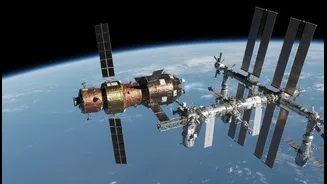
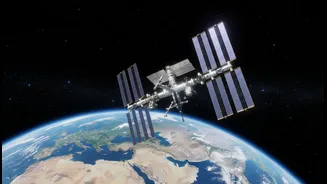
For decades, the ideal astronaut was a physically perfect, technically brilliant pilot—someone with 'the right stuff'. But as mission durations extend from days and weeks on the International Space Station (ISS) to potentially three years for a round
trip to Mars, the definition of 'the right stuff' is expanding. The biggest hurdles for a Mars mission are no longer just technological; they are psychological. Living in a space the size of a small apartment with a handful of the same people, facing communication delays of up to 22 minutes each way, and being unable to simply 'go outside' creates immense mental strain. This has given rise to a critical field: isolation science, the study of how humans cope with prolonged confinement and separation from the world.
Missions to Mars, Simulated on Earth
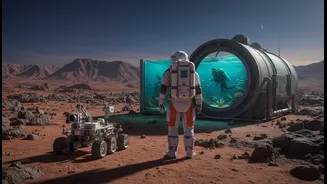
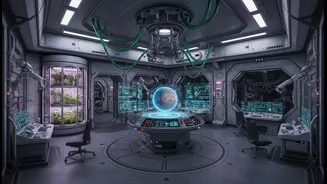
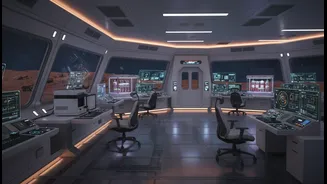
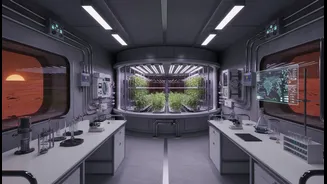
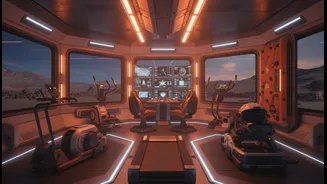
To understand and mitigate the risks, space agencies like NASA and the European Space Agency (ESA) are running elaborate Earth-based simulations called analog missions. These studies place volunteers in isolated, confined environments for months, or even a full year, to collect data on their physical and mental health. One of the most prominent is NASA's CHAPEA (Crew Health and Performance Exploration Analog). In a 1,700-square-foot, 3D-printed habitat at the Johnson Space Center in Houston, four-person crews live and work as if they were on Mars. They conduct simulated spacewalks, manage resource limitations, grow crops, and deal with equipment failures—all while researchers monitor their stress levels, team dynamics, and cognitive performance.
Learning from a Volcano and Moscow
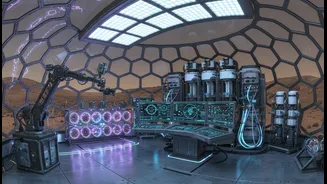
Before CHAPEA, programs like HI-SEAS (Hawaii Space Exploration Analog and Simulation) housed crews in a dome on the barren slopes of the Mauna Loa volcano in Hawaii, an environment chosen for its Mars-like geology. These missions, lasting up to a year, provided crucial insights into crew cohesion, menu fatigue, and the psychological phases of long-term isolation. Data showed that stress can peak after the halfway point of a mission, leading to volatility. Similarly, the international Mars-500 project, conducted in Moscow from 2010 to 2011, saw a six-man crew sealed in a mock spacecraft for 520 days, yielding a wealth of information on the psychological and physiological effects of such a journey.
The New Astronaut Toolkit
The findings from these analog missions directly influence everything from astronaut selection to in-flight support. Agencies now screen for traits like agreeableness, adaptability, and emotional regulation, not just technical skill. The culture is shifting from selecting individuals who can endure hardship to selecting crews who can actively support one another. Astronaut training now includes extensive team skills and conflict resolution. In-mission support is also evolving. While ISS crews benefit from real-time chats with family and psychologists, future Mars astronauts will need more autonomous tools. NASA is developing virtual reality systems to provide relaxing environments, along with automated mental health apps and journaling platforms to help astronauts cope when Earth is just a distant, delayed voice.