


What Exactly Is A Paneer Chilla?
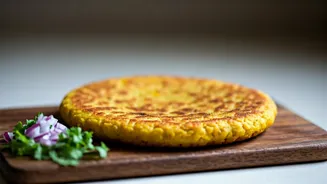
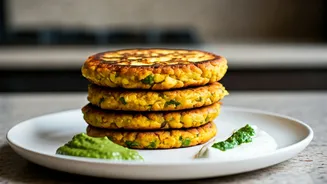
For the uninitiated, a chilla is a savoury pancake, a staple in many Indian households. It's traditionally made from a thin batter of besan (gram flour) and seasoned with spices. The paneer chilla elevates this simple classic by adding a generous filling
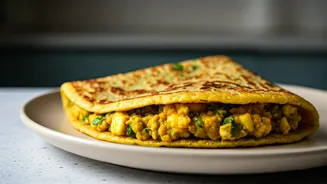
of crumbled, spiced paneer (Indian cottage cheese). Think of it as a healthier, gluten-free, protein-packed version of a crepe or dosa. It’s a versatile dish that can be enjoyed for breakfast, lunch, or as a hearty evening snack. Its beauty lies in its simplicity: a quick-to-make batter, a simple but flavourful filling, and a meal that’s ready in minutes.
The Protein Powerhouse
The primary reason for the paneer chilla’s soaring popularity is its impressive nutritional profile, specifically its high protein content. Both of its core ingredients are protein heroes. Besan, the base flour, is a plant-based protein source that sets a strong foundation. But the real star is the paneer filling. Paneer is rich in casein, a slow-digesting protein that helps you feel full and satisfied for longer, curbing unhealthy cravings. This one-two punch of protein makes the dish a favourite among fitness enthusiasts for muscle repair and anyone looking to manage their weight effectively. A single serving can easily pack 20-25 grams of protein, rivalling many commercial protein bars and shakes.
Beyond Just Protein: A Nutritional All-Rounder
While protein gets the headlines, the health benefits of paneer chilla don't stop there. Because it's made from besan, the chilla is naturally gluten-free, making it an excellent choice for those with gluten sensitivities or celiac disease. Gram flour also has a lower glycemic index compared to refined wheat flour, which means it causes a slower, more gradual rise in blood sugar levels. This makes it a smarter carb choice for everyone, particularly those managing diabetes. Furthermore, besan is a good source of dietary fibre, which aids digestion and promotes gut health. When you add vegetables like onions, tomatoes, and capsicum to the batter or filling, you further boost its vitamin and mineral content.
Why The Sudden Craze?
The paneer chilla isn’t new, so why is it suddenly an “obsession”? The answer lies at the intersection of modern wellness trends and timeless convenience. In an era where high-protein and low-carb diets are gaining traction, the paneer chilla fits perfectly. The post-pandemic rise in home cooking has also made people appreciate meals that are quick, require minimal ingredients, and don't compromise on flavour or health. It’s incredibly adaptable—you can adjust the spices, add different vegetables, or even use tofu for a vegan version. Plus, it’s visually appealing, making it a star on social media feeds where foodies and fitness influencers proudly showcase their healthy, homemade creations.
Your Guide to the Perfect Chilla
Making a great paneer chilla is easier than you think. Start with a smooth, lump-free batter of besan, water, salt, turmeric, and a pinch of ajwain (carom seeds) for digestion. The consistency should be thin enough to spread easily on a pan, like a dosa batter. For the filling, crumble fresh paneer and sauté it with finely chopped onions, green chillies, coriander, and basic spices like cumin and garam masala. To assemble, lightly oil a non-stick pan, pour a ladle of batter, and spread it into a thin circle. Cook for a couple of minutes until the edges lift, flip it, and cook the other side. Spread your paneer filling on one half, fold it over, and press gently. Serve hot with mint chutney or yoghurt.