


What Exactly Is Fibre-Focused Eating?
Unlike fad diets with rigid rules, fibre-focused eating is more of a principle. The core idea is simple: prioritise getting enough dietary fibre every day. It's a reaction to years of wellness trends that demonised entire food groups, instead shifting
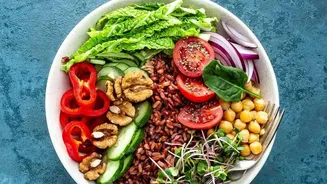
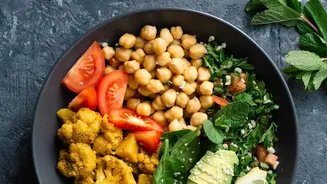
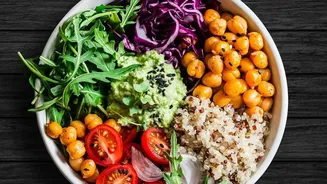
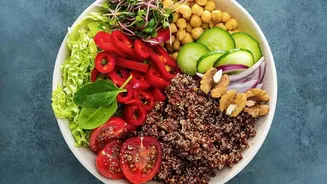
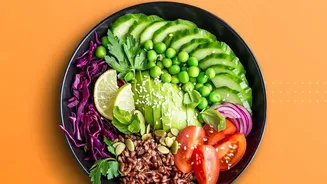
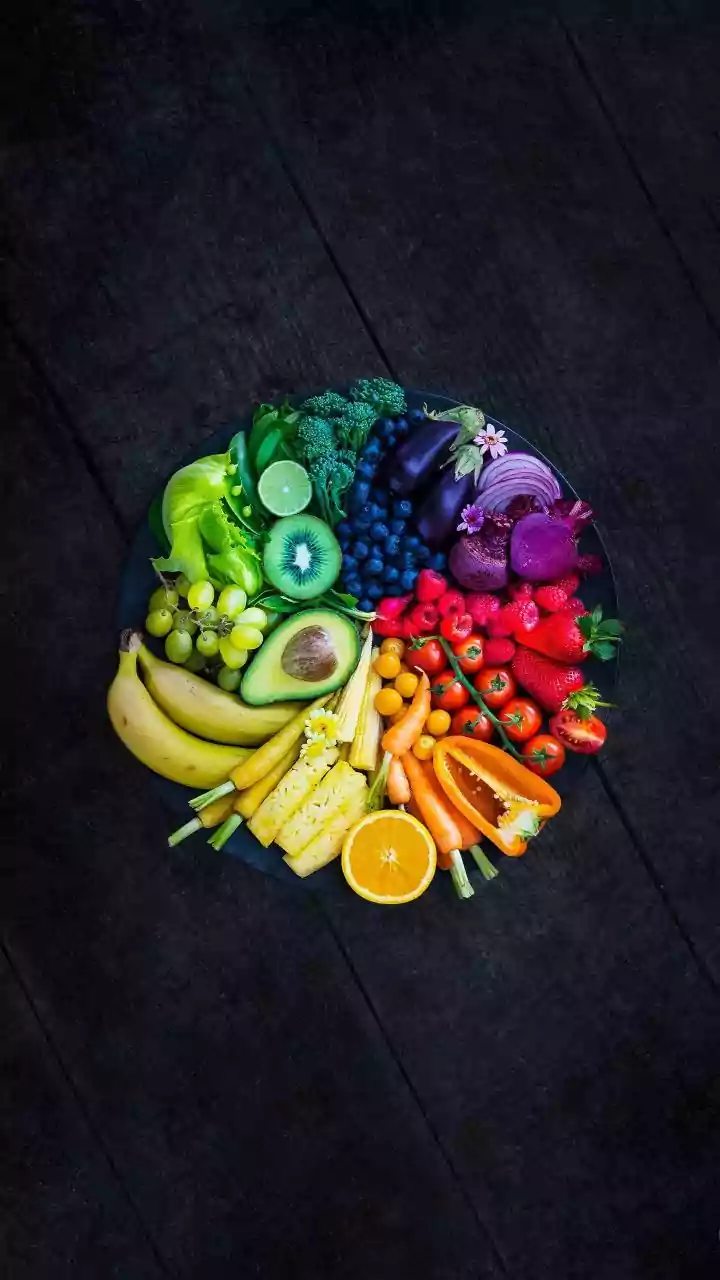
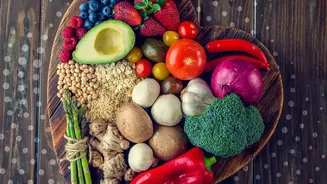
the focus to abundance and inclusion. The goal is to consume a variety of plant-based foods, such as fruits, vegetables, whole grains, and legumes, to meet the recommended daily intake. For adults, this is generally between 25 and 38 grams, a target that many people currently miss. The trend, sometimes called "fibremaxxing" on social media, encourages looking at what you can add to your plate, rather than what you must remove.
The Gut Health Connection
So, why the sudden obsession with fibre? A large part of its rising popularity is linked to our growing understanding of the gut microbiome. Our gut is home to trillions of microorganisms that play a crucial role in our overall health. Dietary fibre acts as a prebiotic, which means it provides the food for the beneficial bacteria in your gut. When these good bacteria ferment fibre, they produce beneficial compounds like short-chain fatty acids, which are linked to a host of health benefits, including supporting gut barrier integrity and reducing inflammation. A healthy, diverse microbiome is now seen as a cornerstone of wellness, influencing everything from digestion to immunity and even mood.
More Than Just Regularity
While fibre is most famous for preventing constipation, its benefits extend far beyond bowel health. A high-fibre diet has been shown to support a healthy weight by making you feel fuller for longer. Soluble fibre, found in foods like oats, beans, and apples, can help lower 'bad' LDL cholesterol levels. It also plays a key role in managing blood sugar by slowing the absorption of sugar, which prevents sharp spikes and crashes in energy levels. Studies have linked high-fibre intake to a reduced risk of several chronic conditions, including heart disease, type 2 diabetes, and certain types of cancer.
A Natural Fit for Indian Diets
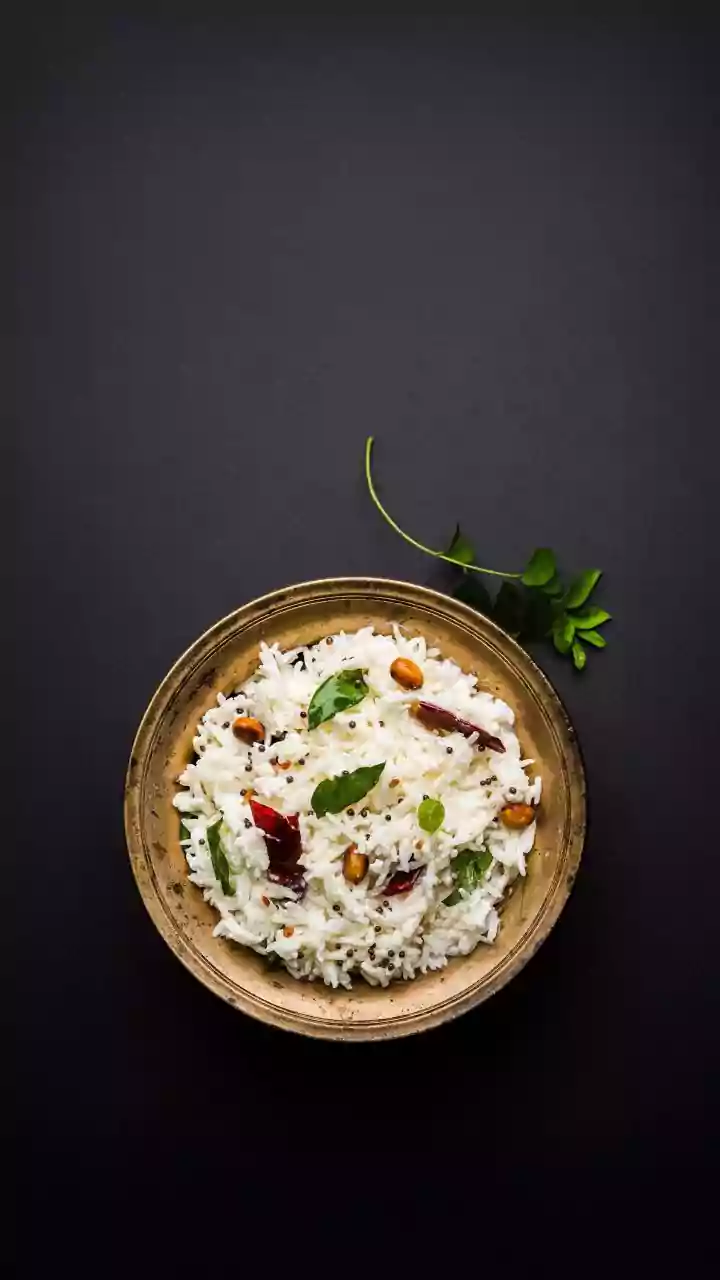
For those in India, this trend isn't about adopting a foreign concept; it's about re-embracing traditional wisdom. Many staples of Indian cuisine are naturally rich in fibre. Lentils (dals), chickpeas (chana), and kidney beans (rajma) are fibre powerhouses. Whole grains and millets like ragi, jowar, and bajra, often used to make rotis and other flatbreads, are excellent sources. A typical Indian meal of dal, sabzi (vegetable dish), and whole-grain roti is already well-aligned with a fibre-focused approach. Fruits like guava and bananas, and vegetables such as carrots, spinach, and okra (bhindi), are also common and fibre-rich.
How to Easily Boost Your Intake
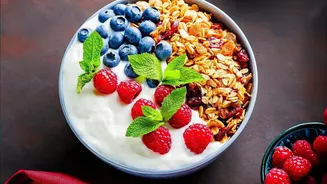
Increasing your fibre intake doesn't require a complete dietary overhaul. Start by making small, sustainable swaps. Choose whole wheat atta over refined flour for your rotis. Begin your day with oats or a millet-based porridge. Snack on a handful of almonds, roasted chana, or a whole fruit with its skin on instead of processed snacks. Aim to fill half your plate with vegetables at lunch and dinner. Simple additions like a tablespoon of ground flaxseed (alsi) to your curd or smoothie can make a difference. The key is to increase your intake gradually and to drink plenty of water, as this helps the fibre do its job effectively and prevents discomfort like bloating.