

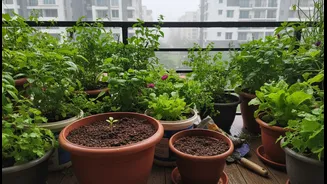




Understanding the Monsoon Opportunity
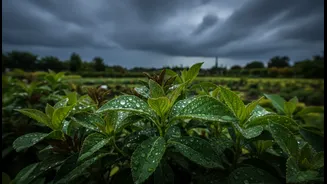
For city gardeners, the monsoon feels like a blessing. Cooler temperatures, high humidity, and consistent rain seem to do half the work for you. According to horticultural experts, the period from June to September provides ideal conditions for seed germination
and plant survival, which often struggle in the dry heat of summer. Plants that were merely surviving can suddenly begin to thrive, with high humidity encouraging faster root development and new growth. This season is a golden opportunity, especially for propagating plants, as stem cuttings and divisions establish themselves with remarkable ease in the moist air. However, this gift from nature is also a double-edged sword. The same rains that promise growth can also bring challenges like waterlogged soil, fungal diseases, and pests. The key isn't just to plant during the monsoon, but to understand its specific phases.
The Crucial 'Planting Window'
The ideal rain-fed planting window isn't the day of the very first pre-monsoon shower. The initial downpours can be aggressive, compacting soil and overwhelming delicate new seedlings. The true sweet spot arrives once the monsoon has properly set in, typically from late June into July. At this point, the rain is more consistent but less ferocious, and the soil is consistently moist without being perpetually flooded. This period allows young plants and newly sown seeds to establish their root systems in congenial conditions before the heaviest phase of the monsoon arrives. Planting too early can see seeds washed away, while planting too late might mean your greens and vegetables don't have enough time to mature. For many vegetables like okra, beans, cucumbers, and chillies, this June-September window is perfect. It's a time when you can let nature handle most of the watering, provided your setup is prepared for it.
Essential Prep for Balcony Success
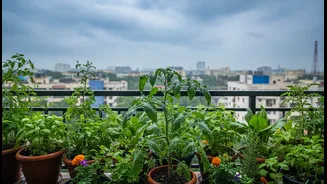
Before you even think about seeds, your pots need attention. Proper drainage is the single most critical factor for monsoon gardening success. Ensure every container has clear, unobstructed drainage holes. If water pools in the saucer beneath a pot, it can suffocate the roots, leading to root rot—the most common monsoon plant killer. Elevating your pots on simple stands or bricks can dramatically improve airflow and drainage. Next, prepare a well-draining potting mix. Simply using heavy garden soil will lead to a compact, waterlogged mess. A mix containing coco-peat, compost, and perlite or sand will stay light and allow excess water to escape while retaining enough moisture for the roots. This is also a good time to prune existing plants, as cutting them back encourages fresh, healthy growth during this vigorous season.
What to Plant on Your Balcony Now
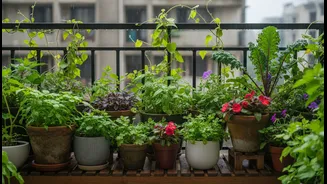
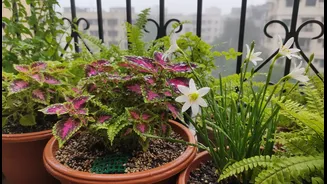
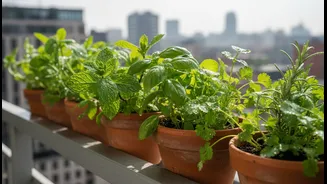
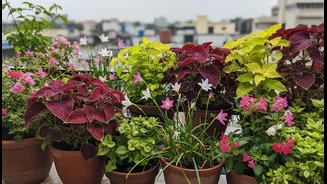
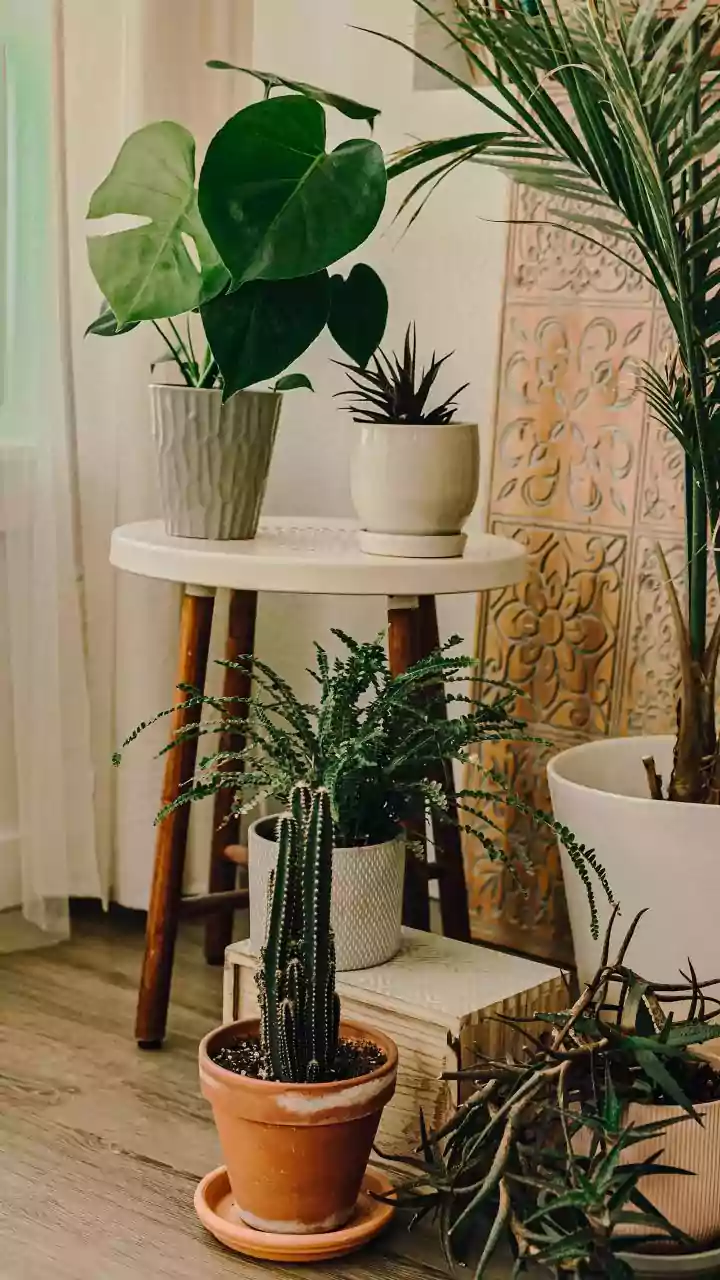
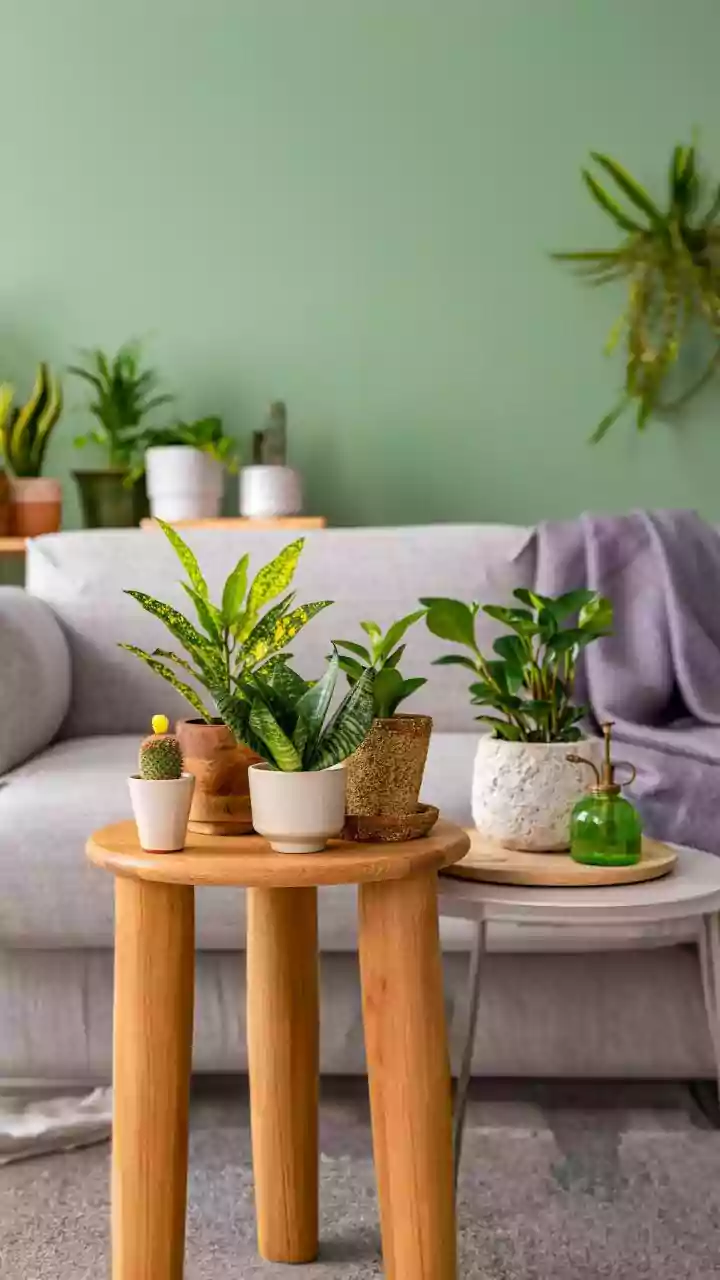
The monsoon is particularly kind to leafy greens and fast-growing vegetables. Herbs like mint and coriander thrive, as do leafy greens like spinach (palak) and amaranth (chaulai). Vegetables such as okra (bhindi), chillies, and certain gourds are excellent choices for pots, provided they have adequate support and pot depth. For those seeking colour, the monsoon is the perfect time for flowering plants like hibiscus, jasmine, and the aptly named Rain Lily, which often blooms within days of a heavy shower. Coleus is another fantastic option, offering vibrant foliage that grows incredibly fast in the humid weather. Even Bengaluru's most popular houseplant, the Money Plant, experiences its most rapid growth during this season and can be easily propagated. Just be mindful to avoid plants that hate humidity, like most succulents, which should be moved to a sheltered spot.
Common Mistakes to Avoid
The most frequent error first-time gardeners make is overwatering. With the rain falling regularly, your summer watering schedule must be abandoned. Always check the soil; if the top inch feels moist, do not water it. Another pitfall is overcrowding plants. While the urge to create a dense jungle is strong, tightly packed plants restrict airflow, which traps moisture on leaves and creates a perfect breeding ground for fungal diseases. Finally, don't neglect pests. The wet, humid conditions are ideal for snails, slugs, and other insects. Regularly inspect your plants, especially the undersides of leaves, for any signs of trouble. Early detection and simple remedies like a neem oil spray can prevent a small problem from devastating your entire balcony garden.