






The Symphony of Chaat
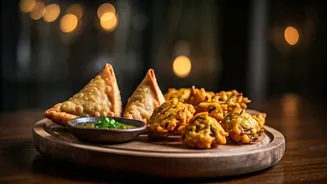
To understand the magic of adding pineapple, we first have to appreciate the delicate balance of traditional chaat. The word itself, meaning 'to lick,' captures the essence of this beloved snack category. It’s a carefully constructed layering of textures
and tastes: the crispiness of papdi or puffed rice, the soft bite of boiled potatoes and chickpeas, the heat of green chillies, and the complex trio of sweet tamarind chutney, fresh mint-coriander chutney, and cooling yogurt. Each bite is designed to hit every part of your palate at once, a hallmark of Indian cuisine's mastery over flavour.
A Tropical Twist on Tradition
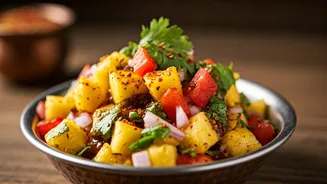
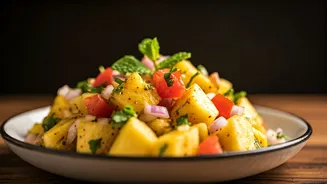
Enter the pineapple. At first, it might seem out of place. But its flavour profile is uniquely suited to complement the chaos of chaat. The natural sweetness of a ripe pineapple provides a brilliant counterpoint to the spice from chilli powder and the savoury notes of chaat masala. More importantly, its bright acidity and tanginess cut through the richness and amplify the other sour elements like tamarind and lemon juice. This creates a dish that feels lighter and more refreshing, especially in warm weather. The fruit’s inherent juiciness adds a burst of hydration that contrasts beautifully with the dry, crunchy components like sev.
Getting the Balance Right
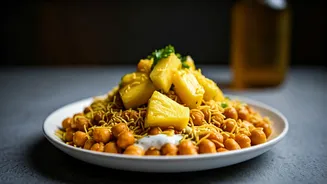
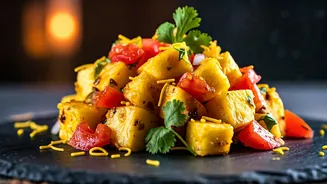
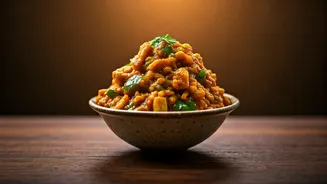
Incorporating pineapple is simple, but a few details make all the difference. Always use fresh, ripe pineapple. Canned versions are often sitting in syrup, which makes them overly sweet and lacking in the bright acidity needed here. Chop the fruit into small, bite-sized cubes so it integrates easily rather than dominating. A simple pineapple chaat can be made by tossing the fruit with chaat masala, red chilli powder, black salt, and a squeeze of lime. For a more complex dish, you can add diced pineapple to bhel puri, sev puri, or even a peanut chaat. The key is to add it just before serving to prevent the fruit from releasing too much juice and making everything soggy.
An Evolution of Flavour
While fruit chaat is a long-standing tradition in India, often featuring apples, bananas, and pomegranate, the specific use of pineapple feels decidedly modern. It taps into a broader trend in contemporary Indian cooking: reinterpreting classic dishes with unexpected, yet complementary, ingredients. This isn't about replacing tradition but building upon it. Adding pineapple is less a radical change and more of a joyful evolution, celebrating the versatility of chaat. It acknowledges that Indian cuisine has always been a dynamic tapestry, weaving in new influences and ingredients—from tomatoes to tamarind—over the centuries.