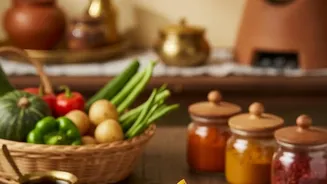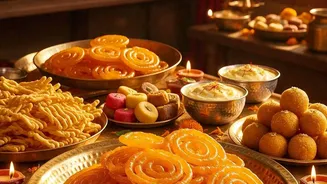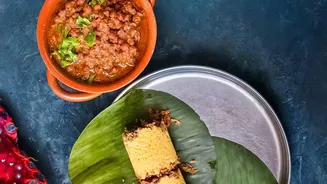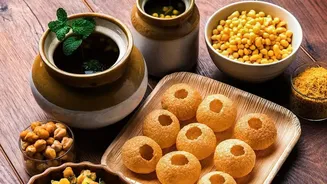



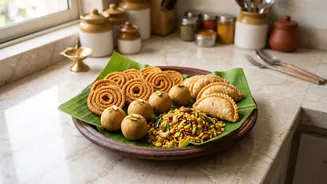
Walk into a new-age Indian restaurant today, and the menu might look unfamiliar. The usual suspects are giving way to dishes from specific regions, telling a deeper story of India’s culinary diversity. Why is this delicious revolution happening now?
Beyond the Pan-Indian Menu
For
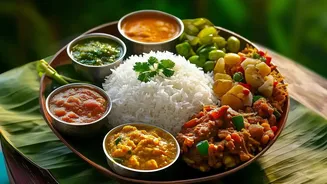
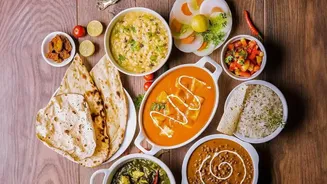
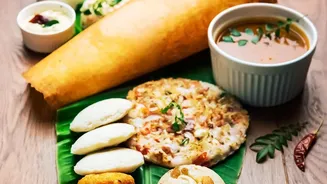
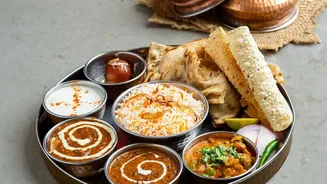
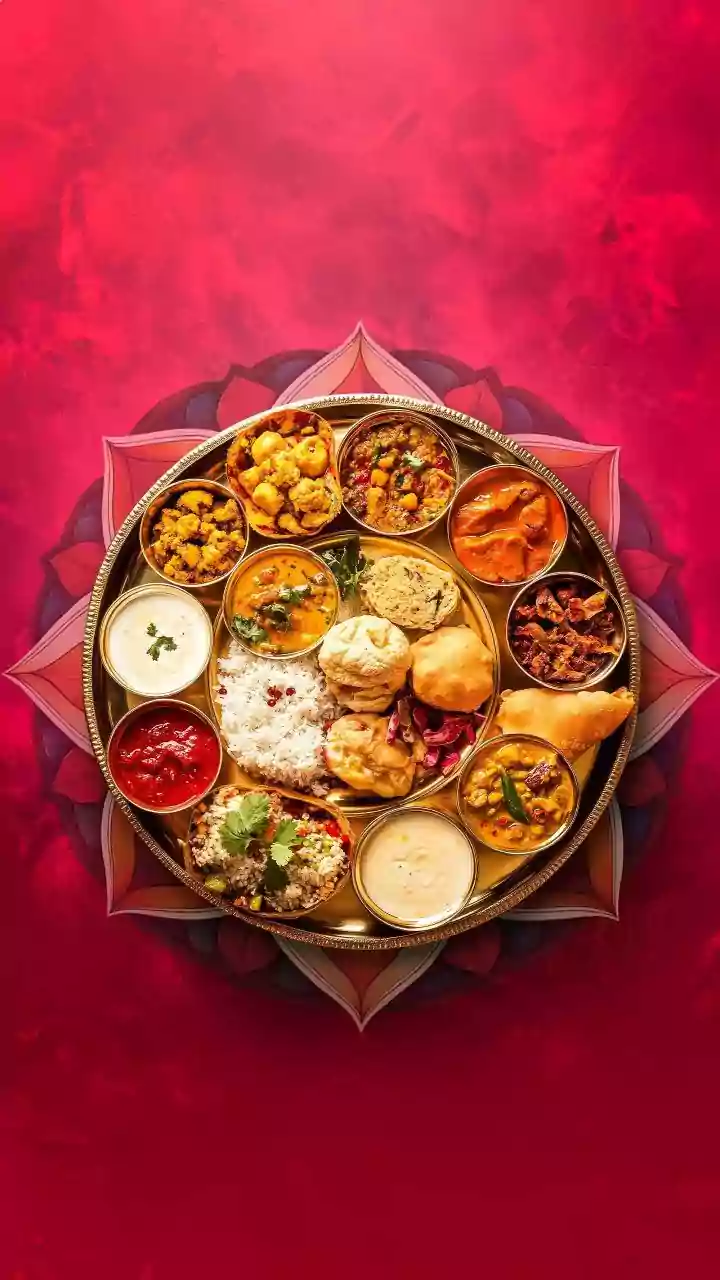
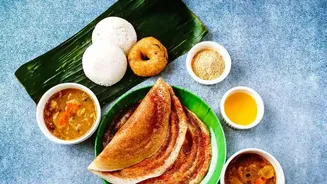
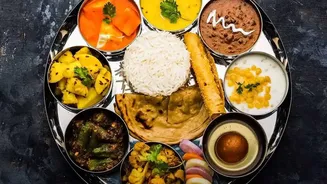
decades, 'Indian food' in a restaurant context meant a fairly standard lineup of North Indian staples. While delicious, this oversimplified one of the world's most diverse culinary landscapes. Today, that is rapidly changing. A new wave of restaurants is championing hyper-regional cuisines, introducing diners to the distinct flavours of places like Nagaland, Kerala, Bengal, and Gujarat. This isn't just about adding a few new items; it's a fundamental shift. Restaurants are creating entire menus focused on the heritage of a single state or community, from Himalayan-forward cuisine in Himachal Pradesh to dishes celebrating Konkani coastal flavours. This movement celebrates the fact that India has over 30 distinct regional cuisines, each shaped by its own unique climate, history, and local ingredients.
A Chef-Led Preservation Project
At the heart of this trend is a generation of chefs who see themselves as cultural custodians, not just cooks. Many are travelling to remote villages, learning from elders, and documenting recipes that have only been passed down orally. For them, reviving a 'lost' recipe is about preserving history and cultural memory on a plate. This mission often involves spotlighting indigenous ingredients—like wild greens, foraged mushrooms, and ancient grains—that were previously considered too humble for fine dining. These chefs are not just copying old recipes; they are thoughtfully reinterpreting them, using modern techniques to elevate traditional flavours without losing their soul. This balance of respect and innovation is key to their success.
The Rise of the Curious Diner
The supply of regional dishes is being met with fervent demand from a new kind of diner. Thanks to global travel, the internet, and countless food shows, today's customers are more adventurous and knowledgeable than ever. They are no longer content with a generic 'curry'. Instead, they seek authentic and unique experiences, and a meal that tells a story. Social media plays a huge role in this, as platforms like Instagram and YouTube act as digital archives, bringing the vibrant stories of home kitchens and street food to a global audience. Diners are increasingly interested in the origin of their food, and restaurants with specialized regional menus are seeing their customer bases grow significantly faster than those with generic offerings.
From Home-Style to High-End
One of the most significant aspects of this trend is how it reframes regional food. Previously, many of these dishes were confined to home kitchens and seen as simple, everyday fare. Now, chefs are proving that these recipes can be the foundation of sophisticated, fine-dining experiences. By applying contemporary plating, sourcing high-quality local produce, and creating tasting menus, they showcase the complexity and elegance of regional Indian cooking. This has allowed restaurants to move beyond the buffet-style model and create chef-driven spaces that command higher price points and deliver a more immersive culinary journey, reshaping how Indian cuisine is perceived both at home and abroad.
An Expression of Cultural Pride
Ultimately, the dominance of regional recipes is about more than just food trends; it's a powerful expression of cultural pride. For years, the narrative of fine dining was often shaped by international, particularly European, cuisines. This new movement is a confident assertion that India's own culinary traditions are worthy of celebration and exploration at the highest level. It connects younger generations to their roots and offers a more nuanced, authentic representation of Indian identity. By championing the dishes of their grandmothers and the ingredients of their home states, these chefs and restaurants are ensuring that India's rich and varied culinary heritage continues to evolve and thrive for generations to come.