




The Magic of One-Pot Cooking
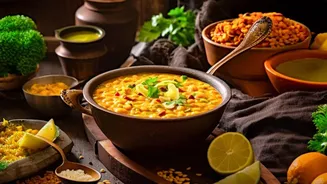
A one-pot dish is exactly what it sounds like: a complete meal where every ingredient cooks together in a single pot, pan, or pressure cooker. The beauty of this approach lies in its simplicity. It significantly reduces preparation and cleanup time, a major
advantage for busy weeknights. But the benefits go beyond convenience. When proteins, carbohydrates, and vegetables simmer together, their flavours meld and intensify, creating a richer, more layered taste profile than if they were cooked separately. Furthermore, this cooking method helps retain nutrients. Vitamins and minerals that might be lost when boiling or steaming vegetables are instead absorbed into the broth, grains, or other ingredients in the pot, making the entire meal more wholesome.
Why Eating Seasonal Is Smarter
Pairing the one-pot method with seasonal vegetables elevates the meal from simply easy to exceptionally smart. Seasonal produce, harvested at its natural peak, is fresher, more flavourful, and packed with higher nutritional value. It also tends to be more affordable and widely available in local markets. In India, the agricultural calendar is traditionally divided into three main growing seasons: Kharif (monsoon), Rabi (winter), and Zaid (summer), each offering a unique bounty of vegetables. By aligning your cooking with these seasons, you not only enjoy produce at its best but also support local farming cycles and add natural variety to your diet throughout the year.
Monsoon Marvels (June – September)
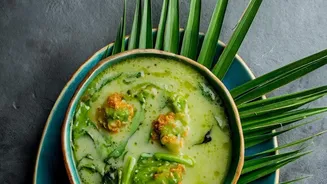
The monsoon season brings a variety of gourds and other vegetables that thrive in the humid climate. This is the perfect time for comforting, warming meals. Vegetables like bottle gourd (lauki), pointed gourd (parwal), okra (bhindi), and pumpkin are abundant. A classic one-pot dish for this season is a mixed vegetable khichdi. Combining rice and lentils with cubed pumpkin, beans, and carrots creates a complete, easily digestible meal. The addition of spices like turmeric provides anti-inflammatory benefits, ideal for the season. You can also prepare a simple one-pot vegetable curry using gourds and potatoes, letting them simmer in a light, fragrant broth until tender.
Winter Warmers (October – January)
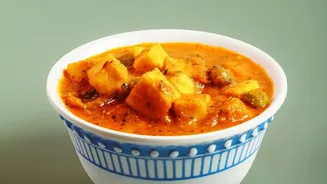
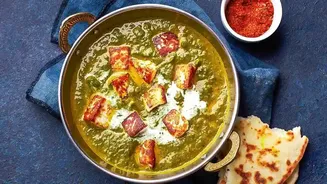
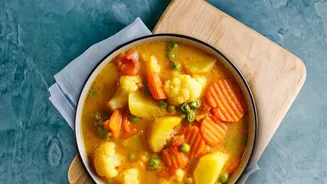
Winter is the season for robust, hearty vegetables. Markets are filled with leafy greens like spinach (palak) and fenugreek (methi), alongside root vegetables such as carrots, beets, and turnips. This is the ideal time for nourishing one-pot dishes that provide warmth and comfort. A vegetable pulao, fragrant with whole spices and loaded with winter vegetables like peas and carrots, is a simple yet satisfying meal. Another excellent option is Tehri, a traditional North Indian rice dish where rice is cooked with potatoes, cauliflower, and an array of spices. Palak paneer, often made in a single pot by simmering spinach puree with paneer, is another winter favourite that is both nutritious and indulgent.
Summer Staples (February – May)
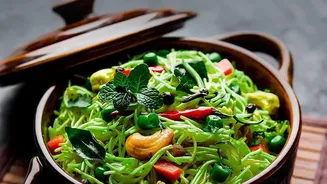
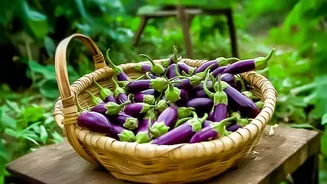
The Zaid or summer season offers vegetables that are typically high in water content, perfect for staying hydrated in the heat. Look for cucumber, various beans, and different types of gourds. Light and flavourful one-pot meals are ideal for this time of year. Consider making a one-pot dalma, an Odia dish where lentils and vegetables like pumpkin, brinjal, and raw banana are cooked together until soft and seasoned with a simple tempering. Cabbage rice is another quick and easy option, where shredded cabbage is sautéed with spices and cooked with rice in a pressure cooker for a speedy and delicious lunch.