




The Building Blocks of Health
Protein is a fundamental macronutrient essential for nearly every function in your body. It builds and repairs tissues, creates enzymes and hormones, and supports immune function. Proteins are made up of smaller units called amino acids. Our bodies can
produce some amino acids, but there are nine that we cannot make ourselves; these are known as 'essential amino acids'. To be considered a 'complete' protein, a food source must contain all nine of these essential amino acids in adequate amounts. While animal products like meat, eggs, and dairy are naturally complete proteins, most plant-based foods are 'incomplete', meaning they are low in one or more essential amino acids. This is where the concept of protein combining becomes a game-changer for vegetarians.
The Power of Pairing
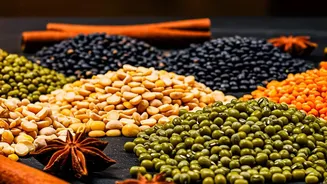
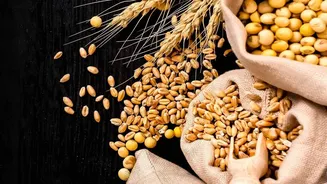
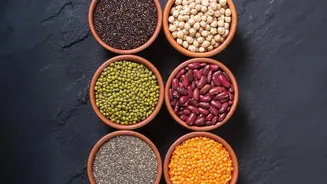
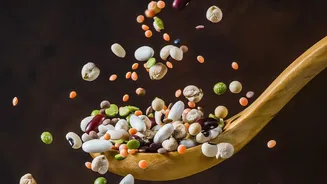
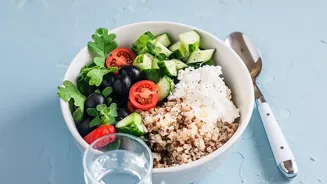
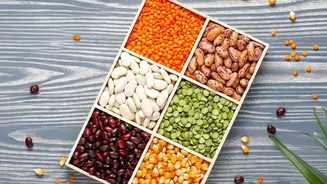
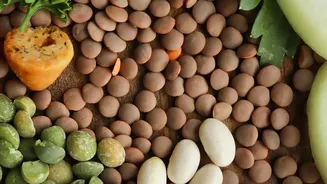
The good news is that you don't need to consume animal products to get all the essential amino acids. By combining different plant-based foods, you can easily create a complete protein profile. Legumes (like dals, beans, and lentils) and whole grains are a classic example of complementary proteins. Generally, whole grains like wheat and rice are low in the essential amino acid lysine. Conversely, legumes are rich in lysine but tend to be low in another essential amino acid, methionine. When you eat them together, they complete each other's amino acid profiles. The legume provides the lysine that the grain is missing, and the grain provides the methionine that the legume lacks, giving your body all the necessary building blocks.
Fueling Your Muscles
After a workout, your muscle fibres have tiny tears that need to be repaired. Protein provides the amino acids necessary for this repair process, allowing the muscles to heal and grow stronger. Leucine, one of the nine essential amino acids, is particularly crucial for stimulating this muscle protein synthesis. For those on a vegetarian diet, ensuring a steady supply of all essential amino acids is vital for effective muscle recovery and growth. A meal combining grains and legumes provides this full spectrum of amino acids, making it an excellent post-exercise option to replenish your body and support your fitness goals. Without a complete profile, your body's ability to synthesise new protein for muscle tissue can be hindered.
Already on Your Plate: Indian Power Combos
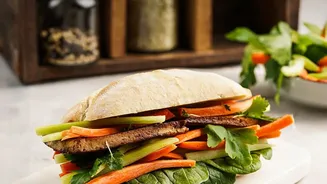
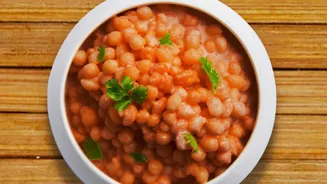
The beauty of this nutritional strategy is that it's already deeply embedded in traditional Indian cuisine. Many of our most beloved comfort foods are perfect examples of complete protein pairings. Think of dal and rice (dal-chawal), a staple across the country. The lentils and rice work together to provide a full amino acid profile. Similarly, rajma-chawal, chana-masala with roti or rice, and idli or dosa (made from a fermented batter of rice and urad dal) are all delicious and scientifically sound ways to consume complete proteins. Even a simple peanut butter sandwich on whole wheat bread achieves this complementary effect, as peanuts are legumes. These time-tested meal combinations are not just about taste; they are a testament to the intuitive nutritional wisdom passed down through generations.
Tips for a Protein-Packed Diet
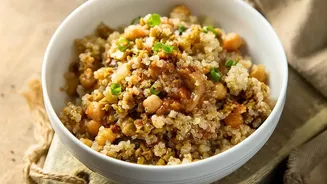
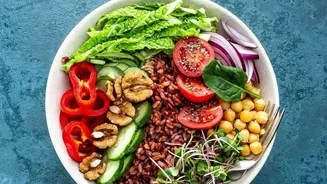
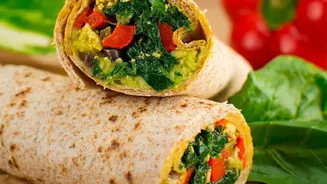
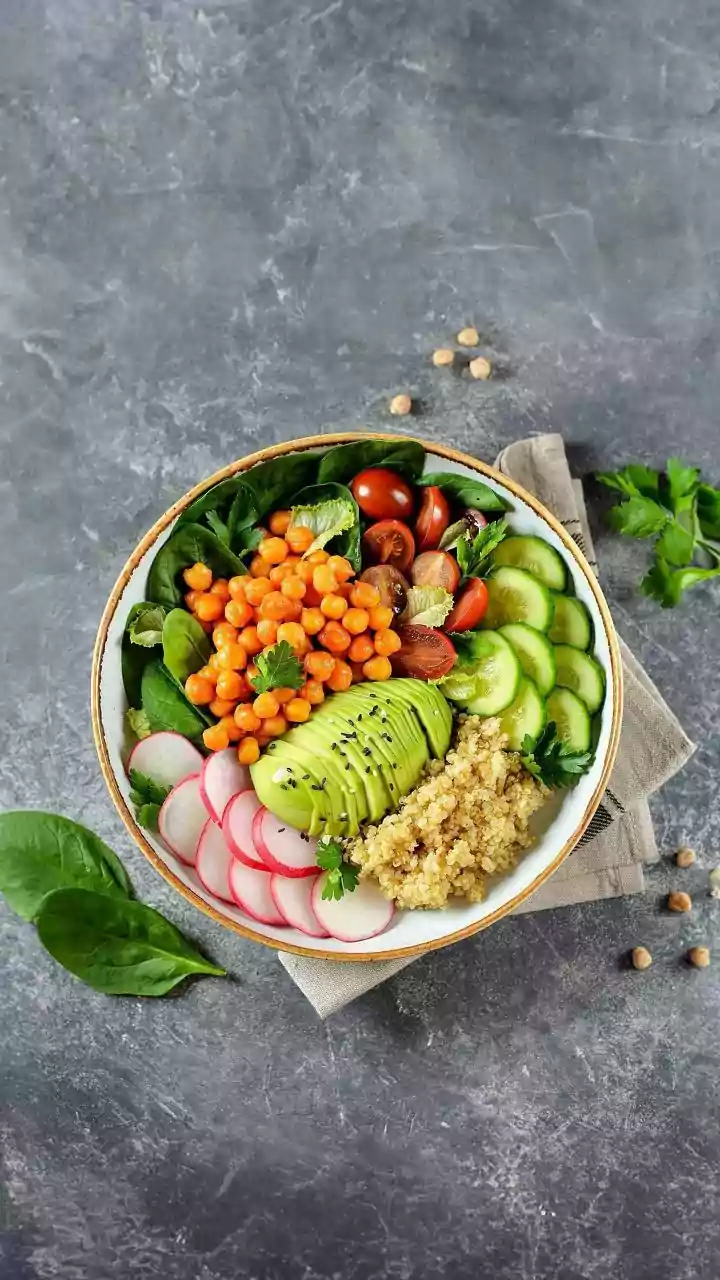
While the concept is powerful, it's also flexible. You don't necessarily need to eat complementary proteins in the very same meal. As long as you consume a variety of plant-based protein sources throughout the day, your body can pool the amino acids to get what it needs. Other great plant-based protein sources to incorporate include soy products like tofu and tempeh, and certain ancient grains like quinoa, which are rare examples of complete plant proteins on their own. Nuts and seeds are also valuable additions. For instance, pairing hummus (made from chickpeas) with whole-wheat pita, or adding seeds to your lentil soup, enhances the protein quality. By focusing on variety and embracing traditional food pairings, a vegetarian diet can easily support muscle health and overall vitality.