








What Is Whole-Habit Wellness?
At its core, whole-habit wellness is the idea that well-being isn't something you do, but something you are. It’s a departure from the quick-fix, compartmentalised approach of previous generations. Instead of scheduling a yoga class to de-stress after
a frantic week, this philosophy weaves stress management directly into the daily routine through practices like mindfulness, intentional rest, and digital detoxes. It treats physical, mental, and even financial health as interconnected parts of a single system. This holistic view means that nutrition isn’t about restrictive dieting but about intuitive eating for energy. Exercise is less about achieving a certain look and more about movement for mental clarity and joy. It’s a sustainable, long-term investment in feeling good, not just looking good.
The Generation Driving the Change
So, why is this trend taking hold now, and particularly with Gen Z? This is a generation that has grown up with immense economic uncertainty, digital saturation, and high rates of stress and burnout. They've seen the performative, often expensive wellness fads on social media and are opting for something more authentic and accessible. Having witnessed the consequences of neglecting mental health, they are proactively seeking balance. This generation is twice as likely as their older counterparts to report poor mental health and is actively seeking solutions. They seamlessly merge the digital and physical worlds, using technology like wellness apps and wearables not as a distraction, but as a tool to support their integrated lifestyle. This pragmatic approach is a direct response to a world that feels increasingly chaotic and demanding.
Mind, Body, and Wallet
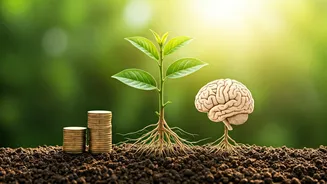
One of the most defining aspects of whole-habit wellness is its inclusion of financial well-being. Young adults recognise the immense impact that financial stress has on mental health. Nearly half of Gen Z say that money has a negative impact on their mental state. In response, they are incorporating financial planning, mindful spending, and budgeting into their self-care routines. This isn't about wealth accumulation for its own sake, but about creating stability and reducing anxiety. This financial mindfulness exists alongside a greater focus on established wellness pillars. Mental health is prioritised through meditation and therapy, with many young people normalising conversations around emotional well-being. Physical health is supported by consistent sleep, functional movement, and balanced nutrition, all viewed as non-negotiable foundations for a healthy life.
A New Chapter in Indian Wellness
In India, this global trend finds a unique resonance. Young Indians are re-contextualizing ancient traditions like yoga, Ayurveda, and meditation, stripping them of dogma and integrating them into modern life. They are pairing these timeless practices with digital tools, from meditation apps featuring guided chanting to nutrition trackers that incorporate traditional dietary wisdom. It’s less about rigid adherence to old rules and more about a personalised fusion that works for their busy, digitally-native lives. This generation is creating a new wellness vocabulary that honours their heritage while fully embracing the present, crafting a holistic lifestyle that feels both authentic and effective for navigating the complexities of modern India.