




The Foundation of Spinal Movement
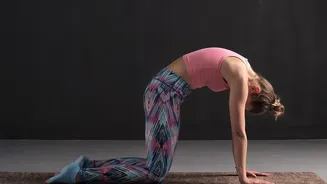
Cat-Cow is a dynamic flow between two poses, synchronized with the breath. It is often used as a warm-up in yoga classes to gently awaken the body, but its benefits make it a worthy standalone practice. The sequence involves moving the spine from a rounded
position, known as flexion (Cat Pose), to an arched one, known as extension (Cow Pose). This fundamental movement pattern helps to improve circulation in the discs of your back, increase body awareness, and prepare the spine for the demands of the day or help it unwind after long periods of sitting.
A Step-by-Step Guide to Cat-Cow
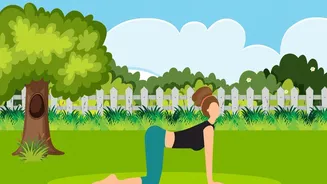
Proper alignment is key to unlocking the full benefits of Cat-Cow. Start in a tabletop position on your hands and knees. Place your wrists directly under your shoulders and your knees directly under your hips, creating 90-degree angles. Keep your spine in a neutral, straight line and your gaze directed toward the floor just in front of your hands. On an inhale, move into Cow Pose: drop your belly toward the mat, lift your chest and tailbone toward the ceiling, and broaden across your collarbones. On an exhale, transition into Cat Pose: press into your hands to round your spine toward the ceiling, tuck your tailbone under, and draw your chin toward your chest, releasing your neck. The goal is to create a slow, flowing movement, repeating the sequence for 5-10 breaths.
Understanding Flexion and Extension
The magic of Cat-Cow lies in its straightforward exploration of spinal flexion and extension. Spinal flexion occurs during Cat Pose, as you round your back. This gently stretches the muscles along the spine, like the erector spinae, and can provide relief for a tired lower back. Spinal extension happens during Cow Pose, as you create an arch. This movement opens the chest and stretches the abdominal muscles and hip flexors. By moving between these two positions, you are essentially flossing your spine, lubricating the joints and encouraging each vertebra to articulate, which can reduce overall stiffness and improve mobility.
Common Mistakes and Simple Fixes
To ensure a safe and effective practice, be mindful of common misalignments. Many people move too quickly, disconnecting the breath from the movement. The key is to let your breath guide the pace—a slow inhale for Cow, a slow exhale for Cat. Another common error is crunching the neck by looking too far up in Cow Pose or forcing the chin to the chest in Cat. Instead, keep the neck as a natural extension of the spine. Also, avoid collapsing into the lower back during Cow Pose. Focus on lengthening the entire spine and lifting the chest forward rather than just dropping the belly. Finally, make sure to press actively through the hands to avoid sinking into your shoulders.
Benefits Beyond the Mat
The regular practice of Cat-Cow offers benefits that extend into daily life. For desk workers, it's an ideal antidote to the stiffness caused by prolonged sitting. The pose enhances core stability by engaging the deep abdominal and back muscles that support proper posture. This increased awareness of spinal alignment can translate into sitting and standing taller throughout the day. Furthermore, the rhythmic nature of the movement, when paired with conscious breathing, has a calming effect on the nervous system, making it an excellent tool for stress reduction.
Modifications for Every Body
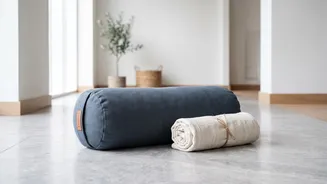
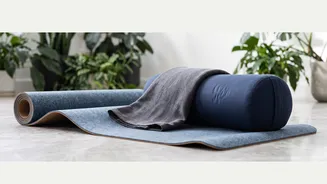
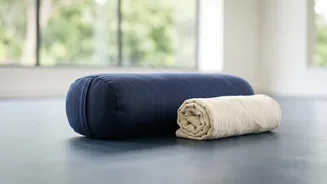
Cat-Cow is highly adaptable. If you have sensitive knees, placing a folded blanket or towel underneath them can provide extra cushioning. For those with wrist pain, you can perform the pose on your fists or forearms to reduce pressure. A popular and accessible variation is Seated Cat-Cow, which can be done on a chair, making it perfect for a quick break at the office. While seated, place your hands on your knees and follow the same principles of inhaling to arch the spine and exhaling to round it. You can even practice a version lying on your back to build pelvic awareness.