






The Foundation: Why Drying is Non-Negotiable
The most common mistake in salad making happens right after washing the greens. If you leave your lettuce even slightly damp, you’ve set yourself up for failure. The core reason is simple chemistry: oil and water don’t mix. Most dressings are oil-based,
and they simply cannot cling to wet leaves. Instead of coating your greens in flavour, the dressing slides right off, creating a watery, bland pool at the bottom of your bowl. A thoroughly dry leaf provides the perfect surface for dressing to adhere to, ensuring every bite is flavourful. A salad spinner is the most efficient tool for the job, using centrifugal force to fling water off the leaves. If you don't have one, you can gently roll your washed greens in a clean kitchen towel or pat them dry with paper towels. The goal is to remove as much moisture as possible without bruising the delicate leaves.
The Element of Time: When to Dress Your Greens
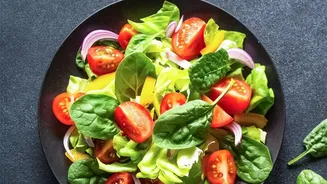
Once your greens are perfectly dry, the next critical element is timing. Dressing a salad too early is a one-way ticket to a wilted mess. This happens because of a scientific process called osmosis. Salt and acid in the dressing draw moisture out of the plant cells in the lettuce leaves. As the cells lose their internal water pressure, they go limp and the greens become soggy. For delicate greens like butter lettuce, mixed greens, or spinach, the rule is absolute: dress them at the very last moment, right before serving. However, not all greens are created equal. Heartier varieties like kale, cabbage, or even romaine have a sturdier structure and can withstand dressing for a little longer. In fact, sturdy greens like kale often benefit from being massaged with dressing 15-20 minutes before serving, which helps to tenderise their tough texture and deepen the flavour.
The Art of the Layer: Building a Better Bite
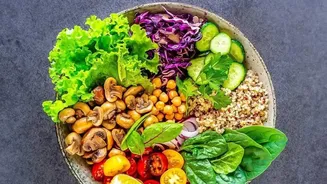
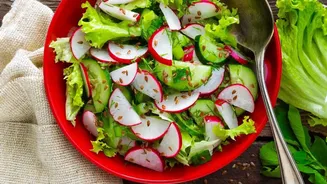
A great salad is more than just a pile of ingredients; it's a carefully constructed dish where texture and flavour are balanced in every bite. Think of it as architecture. Start with your dry, fluffy greens as the base. Next, add other lighter, dry vegetables like shredded carrots or sliced radishes. Then, move on to the heavier or wetter ingredients. Items like chopped cucumber, juicy tomatoes, or cooked grains should be layered on top of the greens, not mixed in haphazardly where their weight and moisture can crush and wilt the delicate leaves below. This structural approach keeps the components distinct and protected. Finally, add your protein, like grilled chicken or chickpeas, and finish with the most delicate or impactful toppings. Things that provide a final crunch, like nuts, seeds, or croutons, should always go on last to preserve their texture. The same goes for cheese crumbles, which can get lost or become soggy if added too early.
Bonus Tips for Textural Perfection
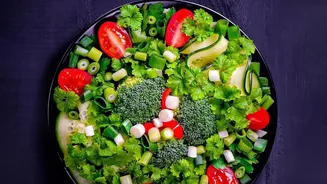
Once you've mastered drying, timing, and layering, a few extra details can elevate your salad even further. Consider the size of your ingredients. Chopping vegetables into uniform, bite-sized pieces ensures a more balanced and easier eating experience. Revive slightly wilted vegetables by giving them a 15-minute ice bath before drying. The cold water rehydrates the plant cells, restoring their crispness through a process called turgor pressure. Pay attention to your dressing's consistency as well. A well-emulsified vinaigrette, where the oil and vinegar are fully blended with the help of an agent like mustard or honey, will coat leaves more evenly than a broken one. And remember, it’s always better to under-dress than over-dress. You can always add more dressing, but you can't take it away once the salad is swimming in it.