



Beyond Chai and Pakoras
For decades, the Indian monsoon was the official off-season for tourism. Heavy rains, muddy roads, and the threat of cancelled plans encouraged most people to stay home, cozying up with hot beverages and fried snacks. Travel was something you did during
the dry, sunny months. But a significant cultural shift is underway, led by Gen Z (those born roughly between 1997 and 2012). This digitally native, experience-hungry generation is rejecting the old norms and actively seeking out the very conditions their parents and grandparents avoided. For them, the rain isn’t a bug; it’s a feature. The entire concept of a “monsoon holiday” is being transformed from a niche idea into a mainstream aspiration for young travellers.
The Off-Season Advantage
A primary driver behind this trend is simple economics. Gen Z is a famously budget-conscious generation, and the monsoon offers incredible value. The period from June to September is traditionally considered the lean season for popular destinations like Goa, Kerala, and the hill stations of Maharashtra and Uttarakhand. Airlines, hotels, and homestays slash their prices to attract visitors, making a trip that would be prohibitively expensive in December suddenly affordable. A weekend getaway to a beautiful villa in Lonavala or a boutique hotel in Goa can cost a fraction of its peak-season price. This allows young travellers, who may be students or early in their careers, to explore more freely and frequently without breaking the bank. It's a smart travel hack that aligns perfectly with their financial pragmatism.
In Search of Authenticity
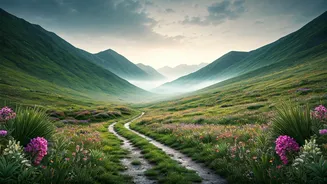
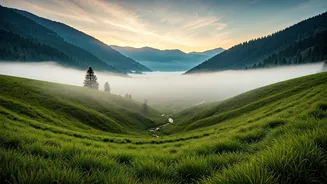
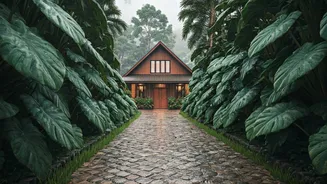
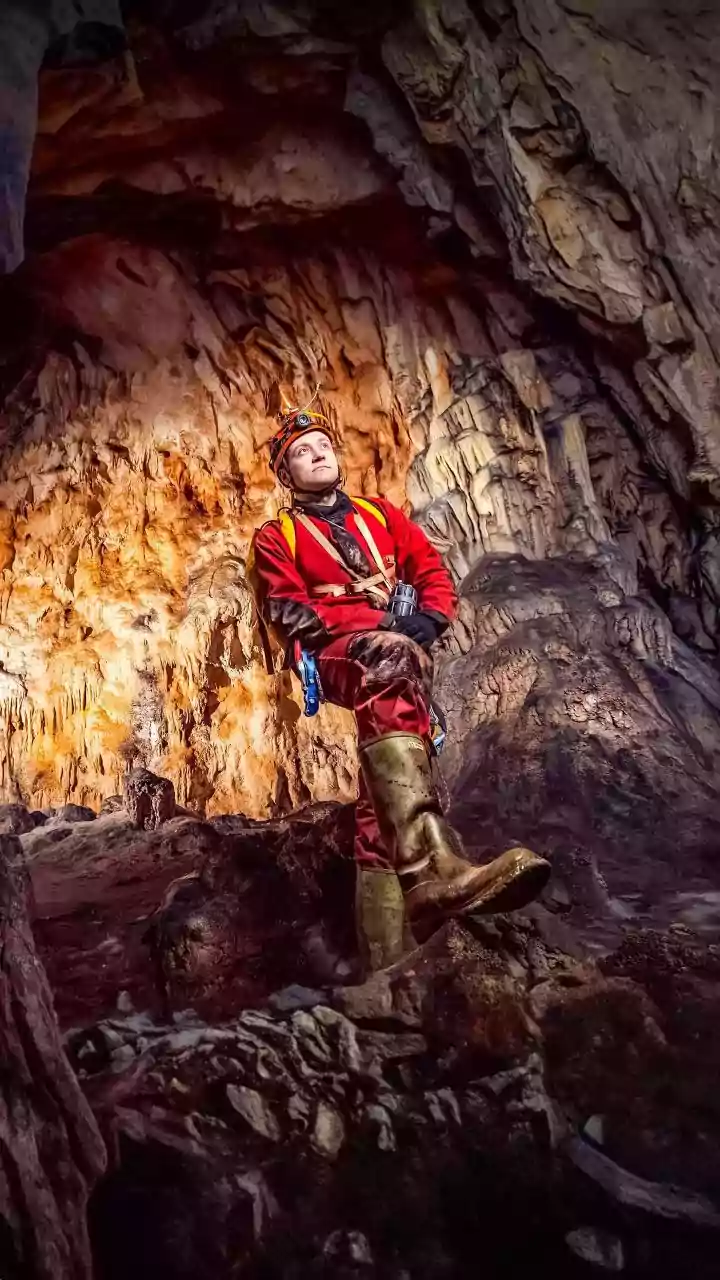
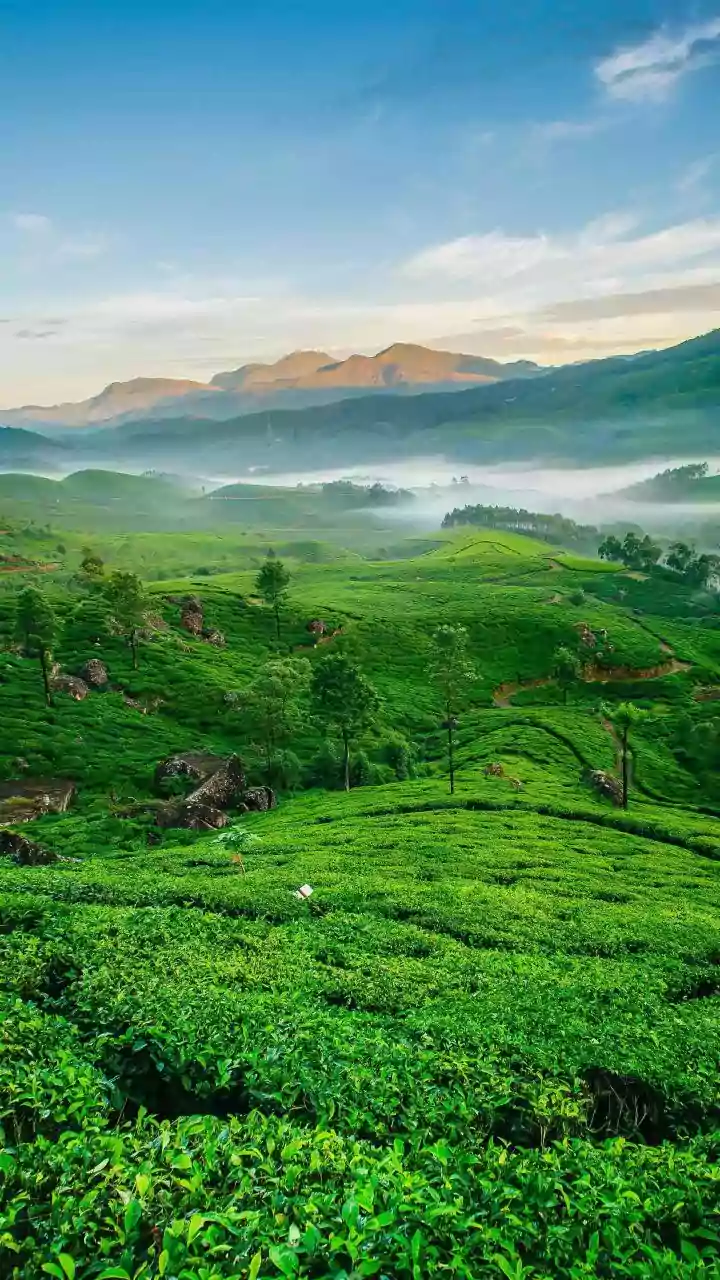
This isn't just about saving money. Gen Z travellers prioritise authenticity and unique experiences over cookie-cutter luxury. The monsoon transforms landscapes, washing the dust away and blanketing everything in lush, vibrant green. Waterfalls that are mere trickles in the summer become roaring cascades. The crowds disappear, leaving behind a quieter, more intimate version of a destination. This generation isn't looking for crowded beaches or packed tourist traps. Instead, they seek out rain-drenched treks in the Western Ghats, the quiet satisfaction of reading a book in a homestay overlooking a misty valley in Coorg, or the simple joy of riding a scooter through Goa’s green paddy fields. It’s a move away from consumption-driven tourism towards a more immersive, sensory experience where the journey itself is the reward.
Curating the Monsoon Vibe
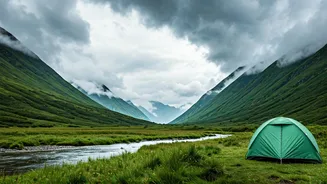
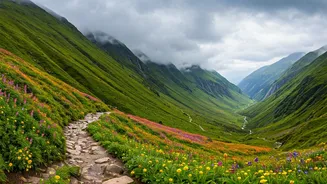
Of course, you can't discuss a Gen Z trend without talking about social media. The monsoon has a distinct aesthetic that is perfectly suited for platforms like Instagram and TikTok. The moody lighting, mist-covered hills, dramatic grey skies, and saturated greens create a visually stunning backdrop that stands out from the typical sun-and-sand vacation feed. The 'vibe' is everything. Hashtags like #monsoontrek, #rainydays, and #monsoonvibes are filled with content showcasing this unique brand of travel. It’s less about posing in designer wear and more about capturing a feeling: the steam rising from a cup of tea, droplets on a window pane, or a group of friends huddled under an umbrella. This visual storytelling has played a huge role in romanticising and popularising monsoon travel, effectively rebranding it as cool, adventurous, and deeply atmospheric.
Where the Road Leads
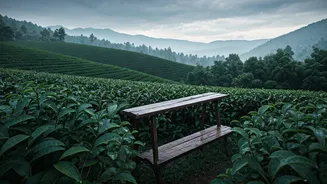
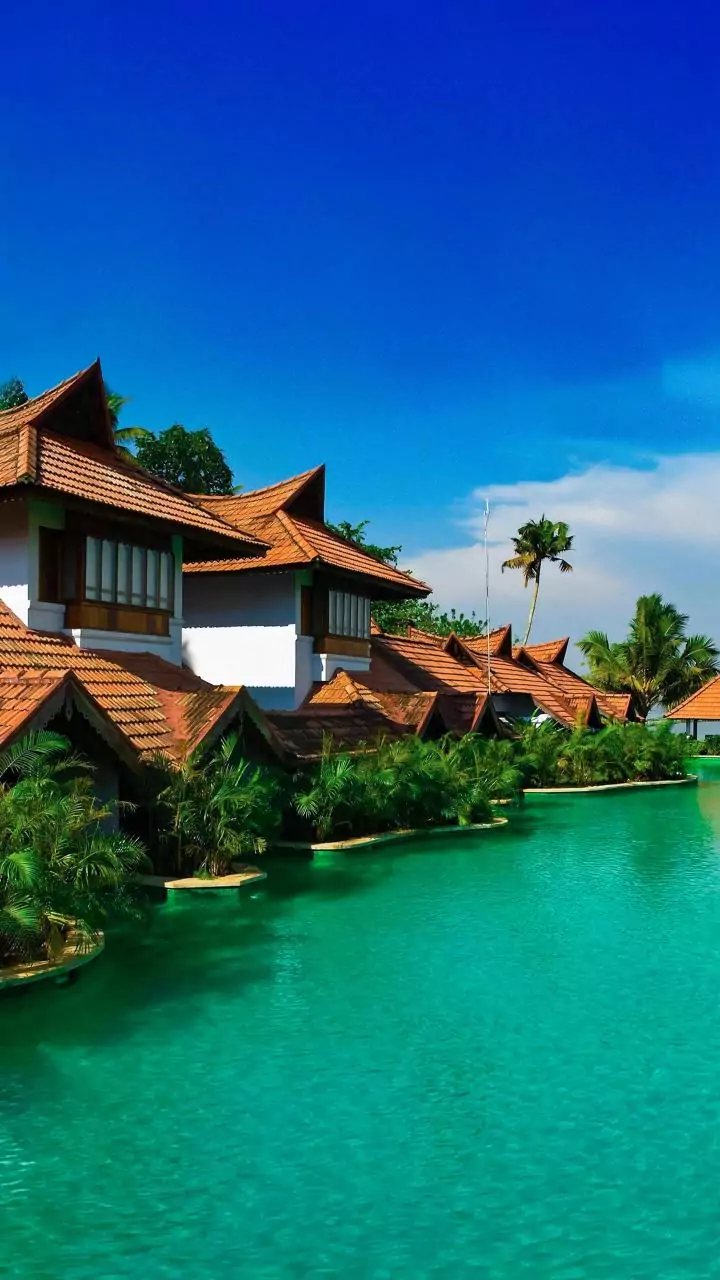
While the trend is nationwide, certain destinations have become epicentres of this new wave of monsoon travel. The Sahyadri mountain range in Maharashtra, with its network of ancient forts and trekking trails, is a magnet for adventurers from Mumbai and Pune. Places like Lonavala, Malshej Ghat, and Bhandardara come alive with waterfalls. In the south, the Western Ghats offer endless options, from the coffee plantations of Coorg and Chikmagalur in Karnataka to the tea gardens of Munnar and the backwaters of Kerala. Even Goa, famous for its beaches, reveals a different, more serene personality during the rains, attracting those looking to escape the party scene and enjoy its natural beauty. These destinations offer the perfect blend of accessibility, affordability, and the authentic, aesthetic-driven experience that Gen Z craves.