
A Universe of Opportunity
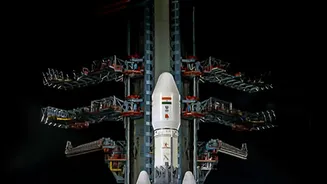
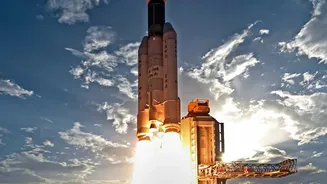
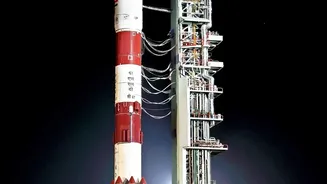
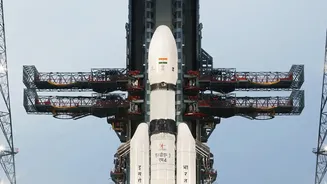
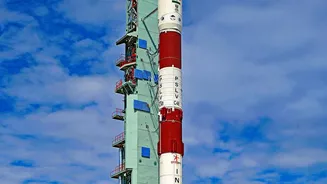
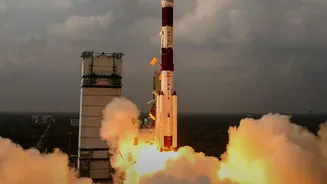
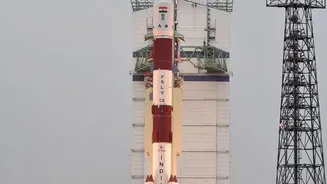
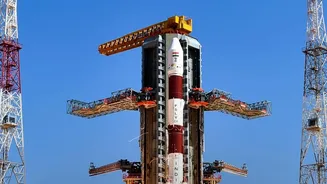
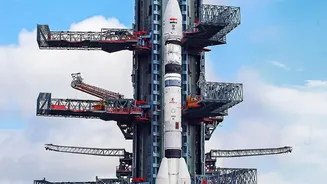
Once the exclusive domain of the Indian Space Research Organisation (ISRO), the final frontier is now open for business. The government's strategic shift, cemented by the Indian Space Policy 2023, is designed to foster a thriving commercial ecosystem.
The goal is ambitious: to increase India's share of the global space market from its current 2% and create a self-reliant sector. This policy pivot has unleashed a wave of entrepreneurial energy, with the number of space-tech startups soaring from just one in 2014 to over 440 by August 2026. These companies are venturing into everything from building satellites and launch vehicles to developing sophisticated data analytics platforms and in-orbit services.
IN-SPACe: The New Mission Control
At the heart of this transformation is the Indian National Space Promotion and Authorisation Centre (IN-SPACe). Established as a single-window agency, its mandate is to bridge the gap between private players and ISRO. IN-SPACe acts as a promoter, authoriser, and regulator, creating a predictable framework for startups. This includes facilitating access to ISRO's world-class testing facilities and infrastructure, which was previously a major bottleneck for private firms. By handling regulatory approvals and promoting technology transfers, IN-SPACe allows ISRO to focus on deep-space exploration and strategic missions, while empowering startups to drive commercial innovation. This symbiotic relationship accelerates development, helping new companies move from prototype to qualified hardware much faster.
Fueling the Fire: Investment and Funding
The opening of the sector has been matched by a significant injection of capital. Funding for Indian space-tech startups has surged, climbing from $43 million in 2021 to a projected $200 million in 2025. Overall, the sector has attracted over $1 billion in venture capital and private equity over the last decade. Recognizing the need for patient, long-term capital, the government has stepped in with several initiatives. These include the Antariksh Venture Capital Fund (AVCF), a dedicated space-tech investment fund, and a Technology Adoption Fund to help startups commercialize their products. Further liberalisation of Foreign Direct Investment (FDI) rules in 2024 has also opened the door for global investors to participate in India's growth story.
Hotbeds of Innovation
Young technology companies are not just filling gaps; they are creating entirely new markets. Startups like Skyroot Aerospace and AgniKul Cosmos are developing launch vehicles for small satellites, promising faster and more affordable access to space. Others, like Pixxel and GalaxEye, are building constellations of earth-observation satellites to provide high-resolution data for agriculture, disaster management, and climate monitoring. Bengaluru has emerged as the nation's primary hub for space-tech, leveraging its deep-tech talent pool, but other clusters are growing in Hyderabad and Chennai. This innovation extends to critical sub-systems like propulsion, avionics, and in-orbit servicing, reducing India's reliance on imported components and building a more resilient domestic supply chain.
Navigating the Final Hurdles
Despite the positive momentum, challenges remain. Many startups still face difficulties accessing capital, particularly at the early seed stage, due to the high-risk, long-gestation nature of deep-tech space ventures. While IN-SPACe has improved access to infrastructure, making that access more predictable and seamless is the next critical step for accelerating innovation. Furthermore, while policies are in place, the need for a comprehensive legislative space law is often cited to provide even greater regulatory clarity and confidence for investors and entrepreneurs. Scaling up from a successful prototype to a commercially viable global business remains the ultimate test for India's new generation of space companies.