





The Humidity Trap
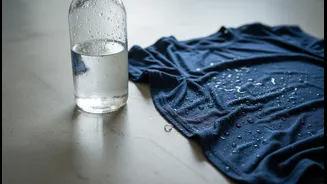
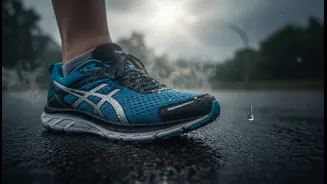
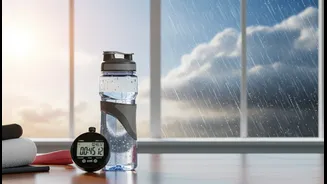
One of the most overlooked factors in hydration is humidity. Your body cools itself through the evaporation of sweat. However, when the air is already saturated with moisture, your sweat can't evaporate effectively. Instead, it drips off your skin, providing
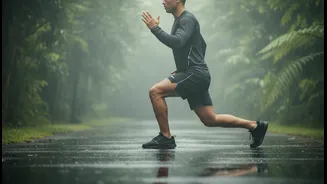
almost no cooling benefit. This forces your body to work harder and produce even more sweat in an attempt to regulate its core temperature. This vicious cycle can lead to accelerated dehydration, even on a day that doesn't feel scorchingly hot. In fact, an 85-degree day with 75% humidity can be far more physiologically stressful than a 90-degree day with 30% humidity. When humidity climbs above 60%, it significantly hampers your body’s primary cooling mechanism, meaning you lose more fluid without getting the cooling effect, increasing your hydration needs substantially.
Workout Intensity and Duration Matter More
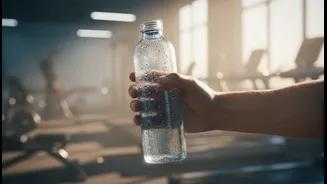
A high-intensity interval session in an air-conditioned gym can cause more fluid loss than a gentle walk on a warm day. The intensity and duration of your exercise are powerful drivers of sweat loss, independent of the weather outside. The harder your muscles work, the more heat they generate, and the more your body needs to sweat to cool down. A trained athlete can lose between half a litre to a full litre of fluid per hour during moderate exercise in cool conditions. In hot, humid conditions, that same athlete can lose two to three litres per hour. For any workout lasting longer than 60 minutes, your hydration strategy becomes critical for performance and safety. A short, easy workout may only require water, but longer or more intense efforts demand a more considered approach to fluid and electrolyte replacement.
Calculate Your Personal Sweat Rate
Hydration is not one-size-fits-all. People have highly individual sweat rates influenced by genetics, body size, fitness level, and acclimatisation. Finding out your personal sweat rate is one of the most effective ways to tailor your hydration plan. The method is simple: weigh yourself without clothes immediately before and after a workout. Be sure to measure any fluid you consume during the session. The change in your body weight, plus the weight of the fluid you drank, gives you a strong estimate of your total fluid loss. For example, if you lose 1kg and drank 500ml, your total fluid loss is approximately 1.5 litres. Doing this for different types of workouts and in various conditions will give you a clear picture of your unique needs. A fluid loss of just 2% of your body weight is enough to significantly impair performance.
Beyond Water: The Role of Electrolytes
When you sweat, you don't just lose water; you also lose essential minerals called electrolytes, with sodium being the most significant. For exercise under 60 minutes, plain water is usually sufficient. But for longer, more intense, or particularly sweaty sessions, you need to replace those lost electrolytes. Sodium is crucial for helping your body absorb and retain fluid, maintaining fluid balance, and supporting muscle function. Not replacing sodium can lead to muscle cramps and, in extreme cases, a dangerous condition called hyponatremia (overhydration), where the body’s sodium levels become dangerously diluted. Many sports drinks, electrolyte tablets, and powders are designed to provide both fluids and the necessary minerals to keep your body in balance during sustained effort.
Listen to Your Body, Not Just Thirst
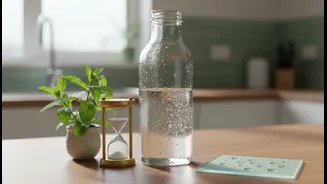
By the time you feel thirsty, you are often already experiencing mild dehydration. Thirst is a delayed signal, so it's better to rely on more proactive cues. One of the simplest and most effective methods is to monitor your urine colour. Ideally, it should be a pale, straw-like yellow. If it's dark yellow or golden, you are likely dehydrated and need to increase your fluid intake. Other subtle signs of dehydration can include fatigue, dizziness, unusual irritability, or a headache. A smart hydration strategy begins before your workout even starts. Aim to be well-hydrated throughout the day so you're not starting your exercise at a deficit. Sipping fluids consistently is more effective than chugging large amounts at once.