






First, What is Microgravity?
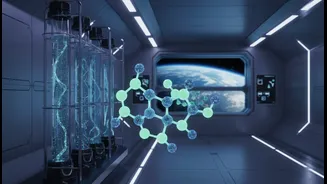
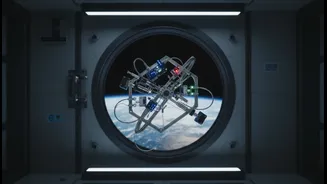
Often mistakenly called 'zero gravity', microgravity is the condition of near-weightlessness experienced by astronauts and objects in orbit. On Earth, gravity's constant pull affects everything, from how fluids mix to how crystals form. It causes sedimentation
in liquids and convection currents. In space, these forces are dramatically reduced. This unique environment is like a pristine laboratory, allowing scientists to observe phenomena and create materials in ways that are impossible on the ground. By studying how things behave without gravity's dominant influence, researchers can uncover fundamental properties of matter and life itself.
ISRO's Cosmic Laboratories
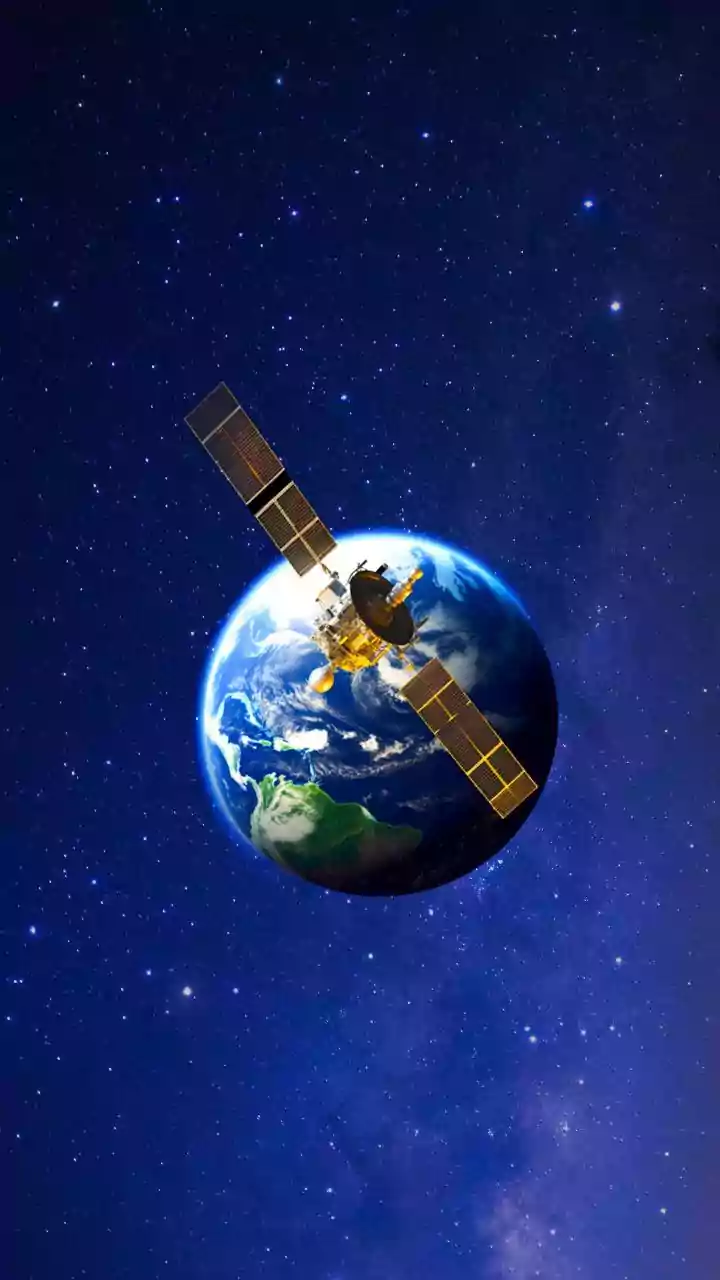
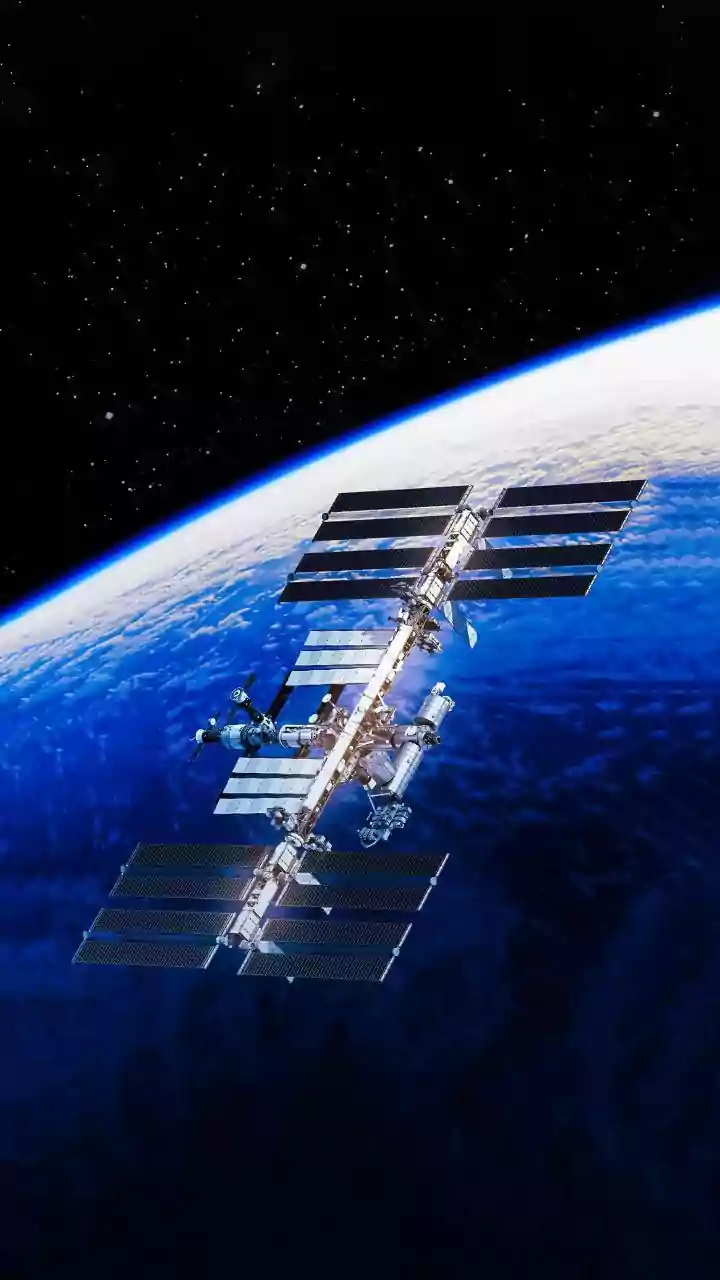
ISRO is pursuing microgravity research through a multi-pronged approach. The upcoming Gaganyaan missions will serve as short-duration platforms for Indian astronauts to conduct initial experiments. Furthermore, an Indian astronaut is slated to perform a series of microgravity experiments aboard the International Space Station (ISS) as part of the Axiom-4 mission, gaining valuable experience for our scientists. The long-term vision is even more ambitious: the Bharatiya Antariksha Station (BAS). Planned to be operational by 2035, this modular space station will be India's own permanent orbital laboratory, dedicated to sustained, long-duration research in microgravity. The first module is targeted for a 2028 launch, marking a significant step towards this goal.
Manufacturing in the Heavens
One of the most exciting applications of microgravity is in materials science. Without gravity causing defects, it's possible to create purer crystals and more uniform metal alloys. This could lead to next-generation semiconductors for faster electronics and stronger, lighter materials for aerospace and other industries. ISRO is actively inviting proposals from the Indian research community for experiments in areas like materials science and in-space manufacturing. The ability to grow larger, more perfect protein crystals is particularly valuable. This process allows scientists to determine the structure of complex proteins with high precision, which is a critical step in designing new life-saving drugs.
A New Frontier for Medicine
The benefits for healthcare are profound. Pharmaceutical companies are already using the ISS to improve drug formulations, such as Merck's cancer drug Keytruda. In microgravity, it's easier to create uniform crystalline suspensions, which can lead to drugs that are more stable and easier to administer. Beyond drug development, microgravity offers a unique environment for biomanufacturing and tissue engineering. Cells grown in space can self-assemble into three-dimensional structures that more closely mimic human organs, providing better models for studying diseases like cancer and for testing new therapies. Understanding how the human body adapts to space—from muscle atrophy to bone density loss—also provides invaluable insights into the aging process on Earth.
Sustaining Life in Deep Space
ISRO's microgravity research is also essential for future long-duration missions, including a planned crewed lunar mission by 2040. Experiments on how to grow food in space, like ISRO's successful CROPS mission which germinated cowpea seeds, are vital for creating self-sustaining life support systems. Studies on microalgae and cyanobacteria are exploring their potential not just as a food source, but also for producing oxygen and processing waste. Mastering these technologies on the Bharatiya Antariksha Station will be a crucial stepping stone, serving as a training ground for astronauts and a testbed for the systems needed for missions to the Moon and beyond.