



The Science of Deliciousness
Ever wonder why a seared steak tastes so much more complex than a boiled one? You can thank the Maillard reaction. This is a chemical process that happens when the amino acids in protein react with sugars under heat—specifically, temperatures above 140°C.
It's responsible for the deep brown crust and rich, savoury flavours we crave in everything from roasted chicken to toasted bread. Techniques that use dry, high heat, like searing, grilling, and roasting, are designed to kickstart this reaction. Wet methods like poaching or steaming won't produce the same browning because the temperature is limited by the boiling point of water. Understanding this simple principle is the first step in choosing the right method for the job.
For Juicy, Tender Poultry
The number one complaint about chicken breast is that it’s dry. Because it's so lean, it overcooks in an instant. A great technique is to sear it in a hot pan to get a golden-brown crust, then transfer it to a lower-temperature oven (around 200°C) to finish cooking gently. This two-step process gives you flavour and moisture. For whole birds or larger cuts, roasting is a classic for a reason, creating crispy skin and tender meat. And don't underestimate the power of brining (soaking in a saltwater solution) or marinating before you cook; this helps the meat retain moisture and adds flavour from the inside out. For chicken tenders, baking at a high temperature like 200°C for a short time (15-20 minutes) keeps them juicy.
For Rich, Melt-in-Your-Mouth Meats
For tougher cuts of beef or pork, like chuck roast, brisket, or shoulder, the key is low and slow. These cuts are full of connective tissue, which makes them chewy when cooked quickly. Braising is their best friend. This method involves searing the meat at a high temperature, then simmering it gently for hours in a covered pot with liquid like broth or wine. The long, moist cooking process breaks down that tough collagen into luscious gelatin, resulting in fork-tender meat and a rich sauce. Roasting is better suited for more tender or well-marbled cuts that don't need the long cooking time to become tender. A simple braise in a pot with some stock and onions for a couple of hours can transform an inexpensive cut into a restaurant-quality meal.
For Flaky, Perfectly Cooked Fish
Fish is delicate and cooks quickly, making it notoriously easy to overcook. The best method often depends on the type of fish. Fattier fish like salmon or tuna are great for high-heat methods like grilling because their natural oils help prevent them from drying out. For leaner, more delicate fish like sole or cod, gentler, wet-heat methods are ideal. Poaching in a flavourful liquid or steaming—perhaps in a parchment paper packet (en papillote) with herbs and lemon—keeps the fish incredibly moist and flaky. When pan-searing, make sure your pan is hot and your fish is dry. Place it skin-side down and leave it alone; this allows a delicious, crispy skin to form, which also acts as an insulator to protect the flesh.
For Flavourful Plant-Based Proteins
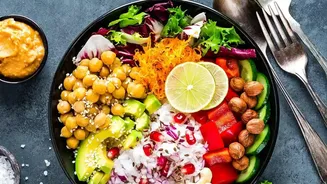
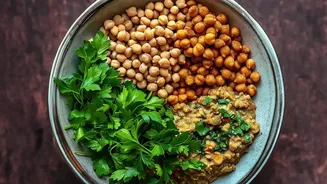
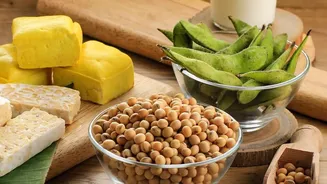
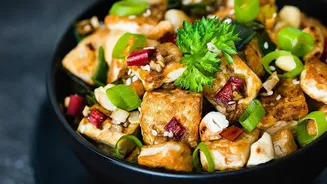
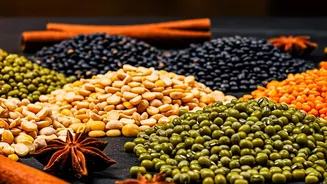
Plant-based proteins like tofu, tempeh, and lentils can be incredibly delicious with the right prep. For tofu, pressing out excess water is a non-negotiable first step; it allows the tofu to absorb marinades better and achieve a firmer, less spongy texture. You can then bake, grill, or pan-fry it until golden brown. Some recipes even use lentils to create a soy-free "tofu" from scratch, which can be seasoned and then pan-fried or baked. Roasting lentils or chickpeas with spices can turn them into a crunchy, satisfying topping for salads and bowls. The key is often to remove moisture and then apply dry heat, which concentrates their flavour and improves their texture.