
The Case for Renting: Flexibility First
For many navigating life in cities like Mumbai, Delhi, or Bengaluru, renting furniture has become a go-to solution. The primary appeal is the low upfront cost. Instead of a significant one-time expense that can range from ₹80,000 to ₹1,50,000 to furnish
an apartment, you pay a manageable monthly fee. This frees up capital for other immediate needs, like security deposits and moving costs. Renting is ideal for those with a transient lifestyle—students, expatriates, or professionals who might relocate for a new job every couple of years. The hassle of selling or transporting heavy items is completely eliminated; when you move, you simply return the furniture. Many rental services also include free maintenance, meaning a broken chair leg or a malfunctioning appliance is not your problem to solve. This model offers the freedom to experiment with different styles without long-term commitment.
The Downsides of Renting
While renting offers convenience, it’s not without its drawbacks. Over the long term, the cumulative monthly payments can end up exceeding the actual purchase price of the furniture. You are essentially paying for a service without building any equity; the money spent does not result in an asset you own. Customization options are also limited. You are restricted to the rental company's catalog, which might not perfectly match your personal aesthetic. Furthermore, there's the constant pressure of avoiding damage. Spills or scratches could lead to penalty fees when you return the items, adding an extra layer of stress to your daily life. For those who crave a sense of permanence and a space that is truly their own, renting can feel impersonal.
The Argument for Buying: An Asset for Life
Buying furniture is a long-term investment in your home and comfort. It provides a deep sense of ownership and permanence. When you buy, you have complete freedom to choose pieces that reflect your exact style and quality standards, from a solid Sheesham wood dining table to a specific brand of recliner. Unlike renting, owning your furniture means you can modify, refurbish, or even sell it later. While furniture depreciates, you can still recover a portion of the cost through resale, which isn't an option with renting. For those who are settled in a city with long-term job security or have purchased their own home, buying is often the more logical and emotionally satisfying choice. Over several years, owning your furniture is almost always more economical than paying a perpetual monthly rent.
The Hurdles of Buying
The most significant barrier to buying furniture is the substantial upfront investment required. Furnishing even a small apartment can strain your finances, with costs easily running into lakhs of rupees. This high initial outlay can be particularly challenging when you're already dealing with other relocation expenses. Ownership also comes with the burdens of maintenance and logistics. If you decide to move, especially to another city, the cost and hassle of hiring packers and movers to transport bulky and heavy items can be immense, not to mention the risk of damage in transit. Furthermore, furniture depreciates in value quickly—often losing 40-60% of its worth within the first two years, making resale a challenge if you need to sell it soon after buying.
How to Decide: The Break-Even Point
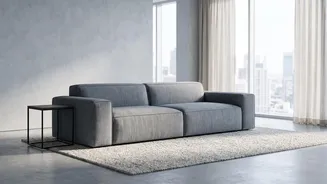
The decision often comes down to simple mathematics and your timeline. The break-even point is when the total cost of renting equals the cost of buying. Studies and cost analyses consistently show this point to be around 24 to 36 months. If you plan to stay in one place for less than two or three years, renting is almost always the cheaper option. For example, if a sofa costs ₹15,000 to buy and ₹700 per month to rent, it would take you about 21 months of renting to match the purchase price. If you plan to use it for longer than that, buying makes more financial sense. Consider your personal situation: Is your job stable? Are you in a temporary phase of life, like living with flatmates? Or are you setting down roots? Answering these questions will guide you to the right choice.