







A Month of Devotion and Diet
Shravan, the fifth month of the Hindu calendar, is dedicated to Lord Shiva and is considered one of the most auspicious times of the year for spiritual practices. Many devotees observe fasts, especially on Mondays (Shravan Somvar), as a mark of reverence.
This spiritual discipline extends deeply into the food consumed during this month. The core principle is to adopt a 'Sattvic' diet, which emphasizes pure, fresh, and light foods believed to foster a calm and clear state of mind, essential for devotion and prayer. It’s a move away from complex, heavy cooking and towards ingredients that are natural, seasonal, and easy to digest.
The Ayurvedic Wisdom Behind the Shift
The dietary changes during Shravan are not just rooted in religious tradition but also in the ancient science of Ayurveda. According to Ayurvedic principles, the monsoon season, or 'Varsha Ritu', is a time when our digestive fire ('Agni') is naturally weaker. The increased humidity can lead to a sluggish metabolism and make the body more susceptible to ailments. The Shravan diet, with its emphasis on light and easily digestible foods, acts as a natural reset for the body. By avoiding heavy, oily, and complex meals, the digestive system gets a much-needed rest, boosting immunity and helping prevent common monsoon-related health issues like indigestion and bloating.
What's On the Shravan Plate?
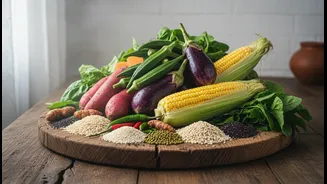
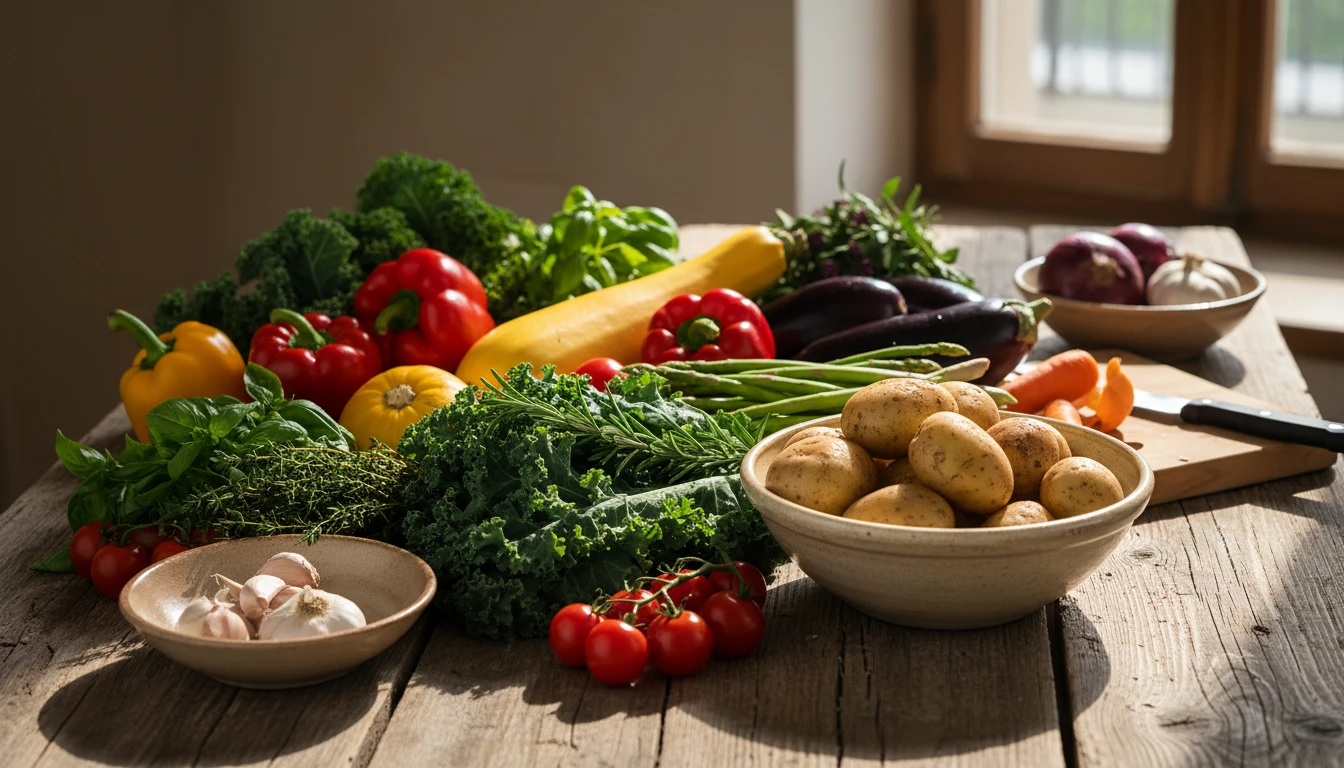
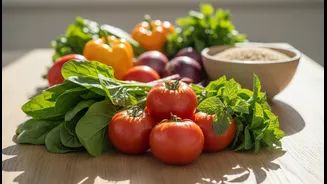
So, what does this shift to fresh ingredients look like in practice? The Shravan plate is vibrant with seasonal produce. A wide variety of fruits like bananas, apples, and pomegranates become staples, providing natural energy and hydration. Vegetables such as bottle gourd (lauki), potatoes, and sweet potatoes are preferred. Instead of regular wheat flour, meals are prepared using 'vrat' flours like buckwheat (kuttu), water chestnut (singhara), and amaranth (rajgira). Sabudana (tapioca pearls) is another fasting hero, used to make comforting dishes like khichdi and vadas. Dairy products like milk, curd, and buttermilk are also widely consumed, offering protein and calcium.
What's Left Off the Menu?
Just as important as what is eaten is what is avoided. Non-vegetarian food, including meat, fish, and eggs, is strictly off-limits. The most significant change for many is the exclusion of onions and garlic. These are considered 'Tamasic' and 'Rajasic' foods, believed to be overly stimulating and heating for the body, which can hinder a calm, meditative state. Heavy spices, regular table salt, and deep-fried foods are also set aside. Rock salt (sendha namak) is used for seasoning instead. Some traditions also advise against certain leafy green vegetables, as they are more prone to carrying worms and bacteria during the monsoon.
A Celebration of Simple Flavours
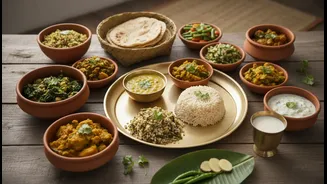
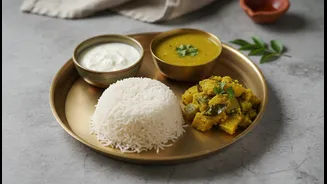
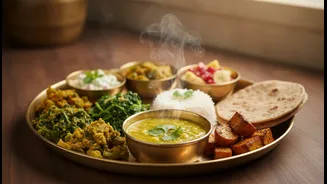
This focus on simplicity doesn't mean the food is bland. On the contrary, Shravan cooking is a celebration of natural flavours. It’s about creativity with a limited but potent pantry. Dishes are seasoned with rock salt, cumin, ginger, and green chillies to add flavour without overwhelming the system. Think of a warm bowl of sabudana khichdi studded with roasted peanuts, crispy kuttu ki poori served with a simple potato curry, or a refreshing fruit chaat. These meals are not just about adhering to fasting rules; they are about discovering the joy in clean, wholesome food that nourishes both body and soul, proving that culinary delight can be found in simplicity.