




The Science of a Perfect Grain
Why does a one-size-fits-all approach to cooking rice so often fail? The answer lies in the grain itself. Different rice varieties have varying levels of starch, primarily amylose and amylopectin, which dictates their texture. A higher amylose content
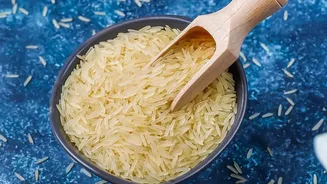
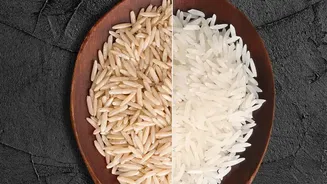
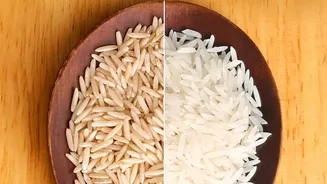
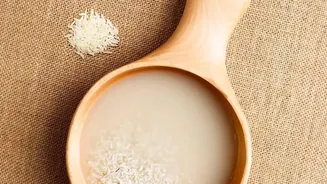
results in separate, fluffy grains, while higher amylopectin leads to a stickier finish. Furthermore, the size of the grain, its age, and whether it is polished or unpolished all influence how it absorbs water. An old, dried grain will need more hydration than a freshly harvested one. Rinsing rice before cooking removes excess surface starch, which is a crucial first step in preventing a clumpy, sticky texture. By tailoring your cooking method to the specific type of rice, you're not just following a recipe; you're responding to the unique chemistry of the grain.
Aromatic Stars: Gobindobhog and Ambemohar
Short-grained aromatic rices like West Bengal’s Gobindobhog are prized for their delicate fragrance and flavour. To preserve these qualities, the cooking method must be precise. Generally, these varieties require less water and a shorter cooking time. For Gobindobhog, a common ratio is 1.5 or 2 parts water to 1 part rice. Many cooks recommend a brief soak of 15-30 minutes after rinsing, which helps the grains cook evenly without breaking. Because it’s a 'new' rice, it cooks faster than aged varieties. Overcooking can quickly turn it mushy and destroy its celebrated aroma. The key is to bring it to a boil, then simmer on low heat with a tight lid, and importantly, do not stir it while it cooks.
Everyday Staples: Sona Masoori
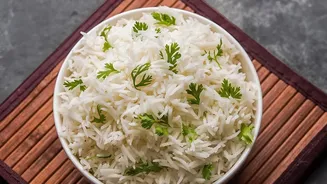
Sona Masoori, a medium-grain rice popular across South India, is cherished for its lightweight and less starchy quality, making it a versatile choice for daily meals. To get the best out of it, a pre-soak of at least 15-20 minutes is recommended after a thorough rinse. The water-to-rice ratio can vary, but a good starting point is often 2 to 2.5 cups of water for every cup of rice, depending on whether you're using a pot or a pressure cooker and the age of the grain. For a stovetop pot, bringing it to a boil and then simmering for about 15 minutes until the water is absorbed should yield fluffy, separate grains. Its ability to pair well with everything from sambar to simple curd rice makes mastering its preparation a valuable kitchen skill.
The Southern Gem: Seeraga Samba
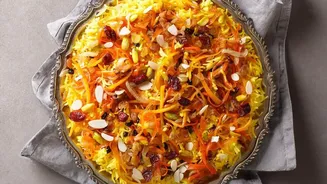
Known as Jeerakasala in parts of Kerala, Seeraga Samba is a tiny, fragrant grain from Tamil Nadu that is the traditional choice for biryani. Its texture is firm yet tender, and it has a unique ability to absorb flavours. This rice is finicky about its water ratio. For biryani, where other ingredients add moisture, the ratio can be as low as 1:1 or 1:1.25 (water to rice). Soaking time is also critical; a short soak of 10-20 minutes is often sufficient to ensure it cooks evenly without becoming mushy. Over-soaking is a common mistake that can ruin the texture. When cooked correctly, each tiny grain remains distinct, making it perfect for rich, festive dishes.
Hardy Grains: Red Rice Varieties
Unpolished varieties like Kerala Matta rice require a different approach entirely. The outer bran layer is rich in fibre and nutrients, but it also acts as a barrier to water. Because of this, a much longer soaking time is essential—anywhere from 30 minutes to several hours can make a significant difference in cooking time and final texture. These rices also need more water; a ratio of 1:2.5 is a common recommendation for open-pot cooking. Cooking time is also extended, often taking 30-45 minutes to become tender. The pressure cooker can speed things up, but even then, these robust grains need patience to reveal their delightfully earthy flavour and chewy texture.
The Final, Crucial Step: Resting
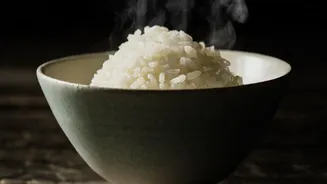
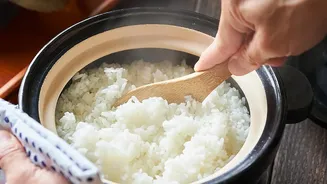
Perhaps the most overlooked step in cooking any type of rice is the resting period. Once the rice is cooked and removed from the heat, letting it sit covered and undisturbed for 5 to 10 minutes is non-negotiable for achieving a perfect texture. This simple act allows the moisture to redistribute evenly throughout the grains, ensuring the rice at the top is as well-cooked as the rice at the bottom. It helps the starches to set properly, transforming the grains from potentially wet and clumpy to perfectly fluffy and firm. Fluffing the rice with a fork should only happen after it has rested, a final touch that separates the grains beautifully before serving.