





Understanding the Ghee Revolution
At its heart, ghee is clarified butter, made by simmering butter to remove milk solids and water. This process is what gives it a longer shelf life and a distinct nutty aroma. The trend of infusing ghee involves steeping aromatics like herbs, spices,
or even garlic into the fat, creating a flavour-packed cooking medium. This isn't just about taste; it's about adding another layer of wellness and intention to daily meals. In Ayurveda, ghee is considered a 'yogavahi', or a carrier substance, prized for its ability to help deliver the properties of herbs deeper into the body's tissues. This ancient wisdom is now finding a modern application in urban kitchens, where home cooks are seeking ingredients that are both versatile and beneficial.
The Science of a High Smoke Point
One of the most significant advantages of ghee is its high smoke point, which is the temperature at which an oil begins to break down and smoke. Ghee typically has a smoke point of around 250°C (485°F). This is substantially higher than that of butter (around 175°C) and unrefined oils like extra virgin olive oil. Why does this matter? When oils are heated past their smoke point, they begin to degrade, producing harmful compounds called free radicals and a substance called acrolein, which gives food a burnt, bitter taste. Cooking with a high-smoke-point fat like ghee allows for searing, frying, and sautéing at higher temperatures without the risk of the fat breaking down and creating undesirable compounds, making it a healthier choice for high-heat cooking methods.
A Staple for Mindful Cooking
The term 'mindful cooking' refers to being fully present and aware during the process of preparing food—from selecting ingredients to the final act of cooking. It’s a shift away from rushed, convenience-driven meals towards a more intentional and appreciative approach. Ghee fits perfectly into this philosophy. Its Ayurvedic roots connect it to a tradition of food as medicine and nourishment. For the mindful urban chef, using ghee—especially A2 ghee from grass-fed cows—is a conscious choice that prioritizes purity and quality. The slow, deliberate process of making or using infused ghee becomes a form of meditation in itself, turning the daily task of cooking into a calming ritual.
Elevating Flavour and Wellness
Infusing ghee is where culinary creativity meets wellness. By adding ingredients like turmeric, garlic, rosemary, or even chilli, you not only create a complex flavour profile but can also incorporate the specific benefits of those additions. For instance, a turmeric-infused ghee adds a beautiful golden hue and leverages the anti-inflammatory properties of curcumin, which is better absorbed by the body when consumed with fat. Similarly, garlic-infused ghee brings a robust, savoury note perfect for tadkas and sautés, while herbal infusions with Brahmi or Ashwagandha are used in Ayurveda for cognitive and stress-support benefits, respectively. This practice allows home chefs to customize their cooking fat to suit specific dishes and wellness goals.
How to Use Infused Ghee
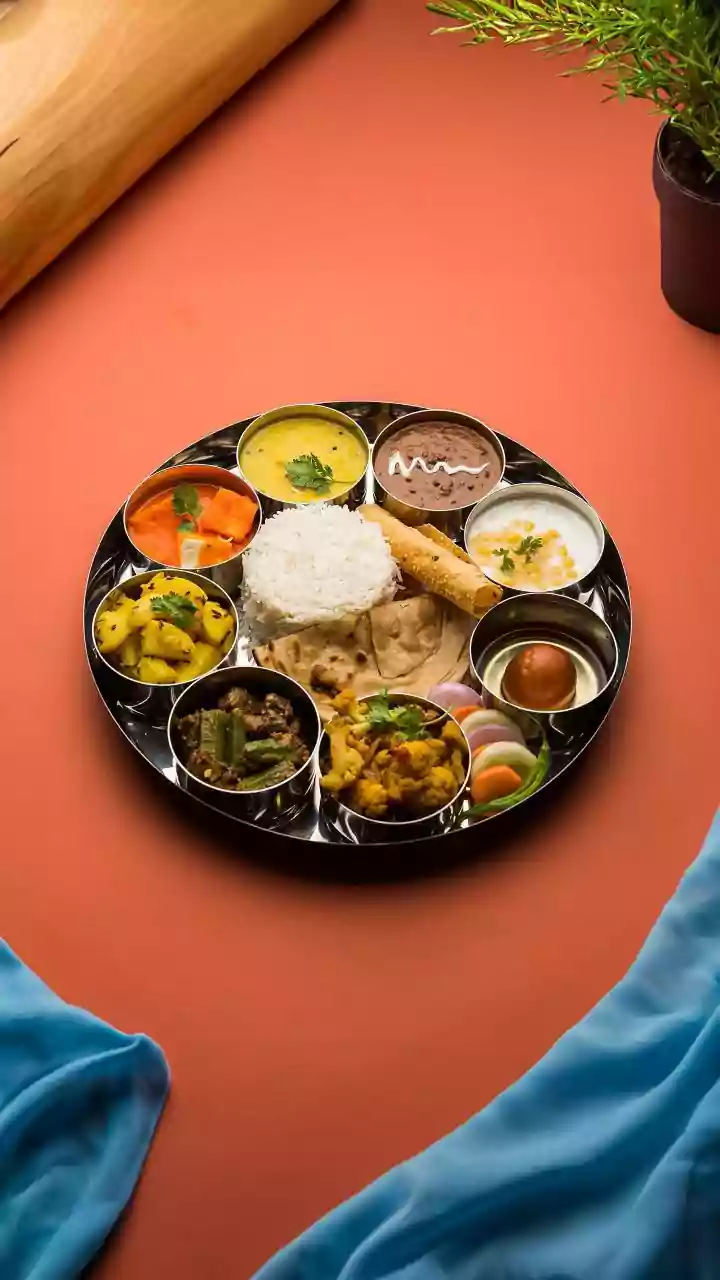
The versatility of infused ghee is a major part of its appeal in modern kitchens. It’s not just for traditional Indian cooking. A garlic and herb-infused ghee can be used to fry eggs, roast vegetables, or as a finishing drizzle over grilled chicken or fish. A cinnamon or cardamom-infused ghee can add a surprising warmth to pancakes, oatmeal, or even when baking cakes and cookies. For Indian cooking, it elevates simple dishes. Imagine a dal tadka made with chilli-infused ghee, or a pulao started with whole-spice infused ghee. The possibilities are endless. You can buy pre-made infused ghees or easily make your own at home by gently heating ghee with your chosen dried herbs and spices, then straining it into a clean jar.