






Fighting a losing battle with your hair? Whether it’s summer humidity causing frizz or winter dryness creating static, the weather seems determined to ruin a good hair day. But a single product might be the year-round solution you need.
The Battle Against Humidity
On a damp, humid
day, your hair can feel like it has a mind of its own, puffing up into a cloud of frizz. This isn't a sign of 'bad hair'; it's a simple matter of physics. Hair is porous, meaning it can absorb moisture from the surrounding air. The outer layer of each strand, called the cuticle, is made of overlapping scales. When hair is dry or damaged, these scales lift, creating openings. Humid air is full of water molecules that your thirsty hair eagerly absorbs, causing the hair shaft to swell unevenly. This disruption is what we see and feel as frizz. Curly and wavy hair types are often more susceptible because their structure can make them naturally drier.
How Serums Create a Protective Shield
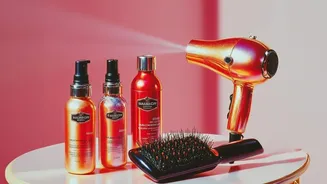
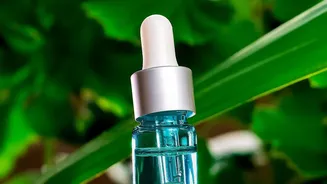
This is where hair serum comes in. Think of it as a lightweight, protective raincoat for your hair. Most serums are formulated with silicones, like dimethicone and cyclopentasiloxane. These ingredients are not designed to penetrate the hair shaft but to coat its surface. This coating effectively seals the cuticle, smoothing down those lifted scales. By creating this barrier, the serum blocks moisture from the humid air from entering the hair strand. The result is hair that remains sleek and defined, as it can't absorb the excess environmental moisture that leads to swelling and frizz. Some serums also contain natural oils like argan or coconut oil, which further smooth the hair and add shine.
Understanding Cold Weather Static
As the seasons change and the air becomes cold and dry, a different hair problem emerges: static. That halo of flyaway hairs that stand on end is caused by a buildup of electrical charge. When your hair rubs against other objects—like a wool hat, a scarf, or even your brush—electrons are transferred, creating a static charge. In humid weather, this charge quickly dissipates because moisture in the air acts as a natural conductor. However, in the dry air of winter, especially with indoor heating, there's no moisture to neutralize the charge. As a result, each strand holds onto its charge, and since like charges repel, your hairs literally push away from each other.
How Serums Neutralise Static
Just as they block moisture in humid conditions, hair serums can help combat the dryness that leads to static. By coating the hair, serums add a bit of weight and moisture, which helps to counteract the electrical charge. The smooth surface created by the serum reduces friction between the hair strands and other materials, meaning fewer electrons are transferred in the first place. Some serums contain ingredients like hydrolyzed proteins that can help neutralize the negative static charge that causes flyaways and friction. Essentially, by preventing your hair from becoming overly dry, serums disrupt the perfect conditions required for a static takeover, keeping your hair calm and collected.
The Right Way to Apply Serum
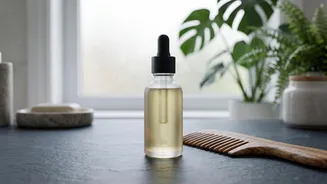
To get the most out of your hair serum, application is key. It's best to apply it to clean, damp, towel-dried hair. This allows the product to spread evenly and be absorbed more effectively. You only need a small amount; start with 2–3 drops for medium–length hair, and adjust as needed. Rub the serum between your palms to warm it up, which makes for a smoother application. Focus the product on the mid–lengths and ends of your hair, as this is where dryness, damage, and frizz are most common. Applying serum to the roots can weigh your hair down and make it look greasy. You can then comb it through with a wide–tooth comb to ensure even distribution before styling.