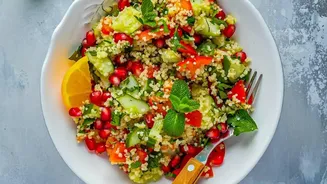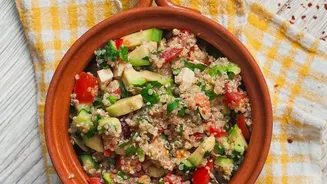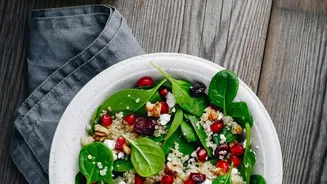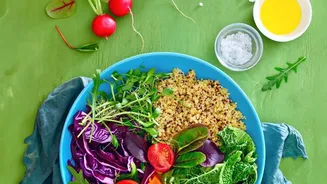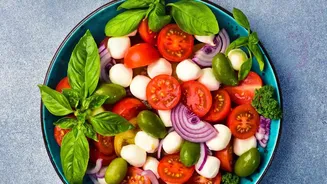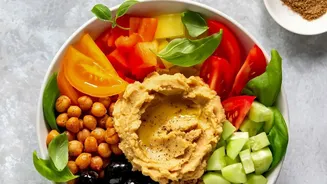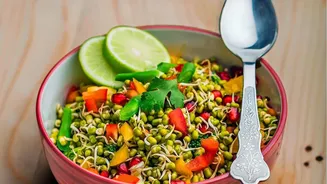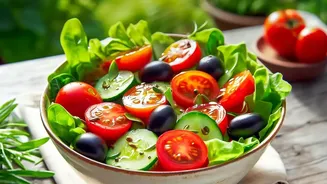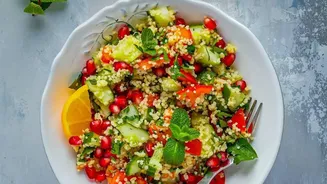

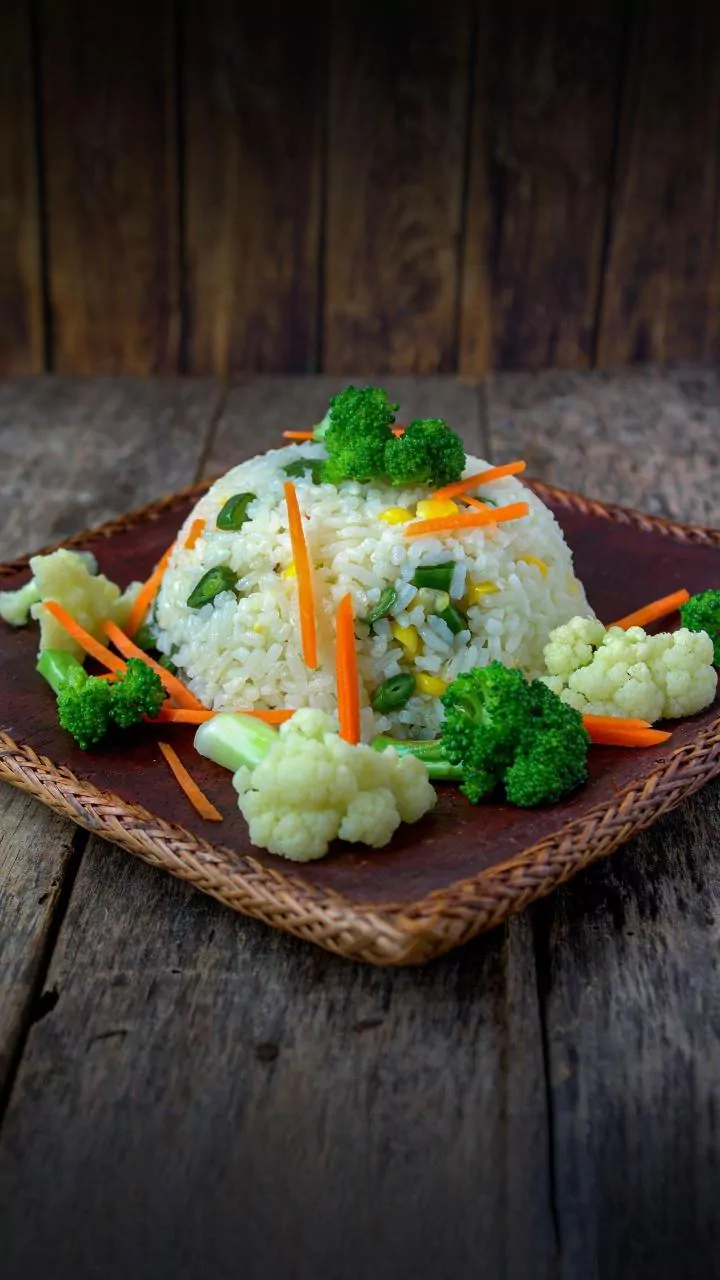

A classic Mediterranean salad is a thing of beauty, full of fresh vegetables and vibrant flavours. But adding wholegrains can transform it from a simple side into a satisfying main, boosting both nutrition and texture. Here’s how to do it well.
Why Bother with Grains?
Adding
a scoop of cooked wholegrains to your salad does more than just make it heartier. Wholegrains are a cornerstone of the Mediterranean diet for good reason. Packed with fibre, protein, B vitamins, and essential minerals like magnesium and zinc, they contribute to better digestion, stable blood sugar, and a reduced risk of chronic diseases. The fibre keeps you feeling full and satisfied long after your meal, turning a light lunch into a dish with lasting power. Beyond the health benefits, wholegrains introduce a delightful textural contrast. Their chewy, nutty character provides a perfect counterpoint to crisp vegetables and creamy dressings, adding a new layer of complexity to every bite.
Choosing the Right Grain
While quinoa and brown rice are popular choices, the world of grains offers a wide array of options perfect for salads. Farro, an ancient wheat grain, has a wonderfully chewy texture and nutty flavour that holds up well, even when dressed ahead of time. Barley, particularly hulled or black barley, offers a satisfying bite and is excellent at soaking up vinaigrettes without becoming mushy. Freekeh, a young, roasted green wheat, brings a unique smoky depth that can elevate a simple salad. For a faster option, bulgur wheat is a great choice; since it's already been par-cooked, it just needs a quick simmer or soak to be ready. Each grain brings its own personality, so it's worth experimenting to find your favourites.
The Art of Perfect Preparation
The key to a great grain salad is achieving the right texture—you want distinct, tender kernels, not a pot of porridge. A common mistake is overcooking. For salads, it's often best to cook grains with a slightly firmer, al dente finish. A reliable method is to cook them in plenty of salted boiling water, like pasta, then drain them thoroughly once they're tender but still have a slight chew. After draining, spread the grains on a baking sheet to cool and dry. This step is crucial as it allows excess steam to escape, preventing the grains from clumping together and becoming waterlogged. Once cooled, the grains are ready to absorb the flavours of your dressing. For meal preppers, cooking a large batch of one or two types of grains at the start of the week is a game-changer.
Assembly and Flavour Pairing
Building your salad is all about balance. A good rule of thumb is a ratio of roughly two parts vegetables to one part grain. This ensures the grain is a component, not the entire show. Combine the cooked, cooled grains with sturdy vegetables like chopped cucumber, bell peppers, and carrots first. Toss with a bright, acidic dressing—think lemon vinaigrette or a red wine vinegar-based dressing—while the grains are still slightly warm, as they are more absorbent then. Hold off on adding delicate greens like rocket or fresh herbs like parsley and mint until just before serving to keep them from wilting. For textural variety, add something crunchy like toasted nuts or seeds, and for a touch of sweetness, consider dried apricots or fresh grapes.
Making It Last: Storage and Meal Prep
Grain salads are ideal for meal prepping, but proper storage is essential to avoid a soggy mess. If you're assembling salads to eat over several days, layering is your best strategy. In a mason jar or airtight container, put the dressing on the bottom. Follow with your cooked grains, then hardier vegetables. Top the container with your leafy greens and any crunchy or soft additions like feta cheese. When you're ready to eat, just shake the container to distribute the dressing. Cooked grains can be stored on their own in an airtight container in the refrigerator for up to four or five days, making it easy to throw together a fresh salad whenever you like.