


The Outdoor Gym Advantage
Forget expensive gym memberships and crowded weight rooms; your local park offers a fantastic alternative. Calisthenics, or bodyweight exercises, build functional strength, improve balance, and increase flexibility by using your own body as resistance.
Exercising outdoors has also been shown to boost mental well-being, reducing stress and improving mood. A simple park bench provides the perfect platform to perform a variety of movements that can be scaled to any fitness level, from absolute beginner to seasoned athlete. This makes it a convenient and cost-effective way to integrate strength training into your routine.
First, A Quick Stability Check
Before you jump into any exercise, the most crucial step is to ensure the bench is safe and stable. A wobbly or damaged bench can lead to injury. Give the bench a firm push and a shake from different angles to check for any movement or instability. Make sure it's securely bolted to the ground and doesn't wobble. Check the surface for any damage, splinters, or wet spots that could cause you to slip. Always choose a bench on flat, even ground to ensure a solid base for your workout. If a bench feels even slightly unstable, it's best to find another one.
Upper Body and Core Power
A bench is an excellent tool for modifying classic upper-body exercises. For push-ups, placing your hands on the seat creates an incline, which is perfect for beginners as it reduces the amount of bodyweight you're lifting. To make it more challenging, place your feet on the bench and your hands on the ground for decline push-ups, which target the upper chest and shoulders. For triceps, bench dips are a classic. Sit on the edge, place your hands beside your hips, and slide forward. Lower your body by bending your elbows, keeping your back close to the bench. You can also work your core with moves like bench crunches or cross-body mountain climbers with your hands on the seat.
Lower Body Strength and Stability
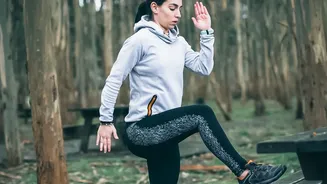
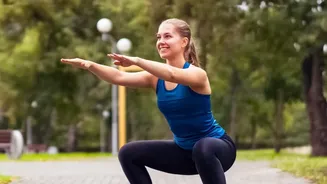
The bench is equally effective for building powerful legs and glutes. Step-ups are a fundamental move: place one foot firmly on the bench and drive up, bringing your other knee towards your chest. This exercise is great for building single-leg strength and stability. For a more advanced challenge, try Bulgarian split squats. Stand a few feet in front of the bench and place the top of one foot on the seat behind you. Lower yourself into a lunge, keeping your front knee aligned with your ankle. This isolates the glute and quad of your front leg. You can also use the bench for support while doing squats, lightly tapping it at the bottom of the movement to ensure proper form.
Creating Your Bench Workout
Putting it all together is simple. You can create a circuit by moving from one exercise to the next with minimal rest. A balanced routine could include 10-15 incline push-ups, 15-20 tricep dips, 12 step-ups on each leg, and 15 Bulgarian split squats per leg. For a full-body blast, try performing each exercise for 30-45 seconds, resting for 15-20 seconds in between, and completing the entire circuit 3-4 times. Remember to warm up with some light cardio, like jogging or jumping jacks, before you begin, and cool down with some gentle stretching afterward.