




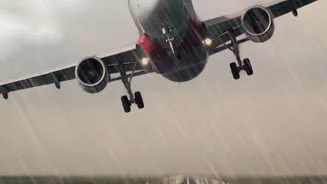

1. Ignoring Weather and Route Updates
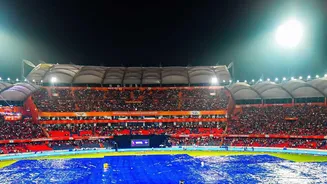
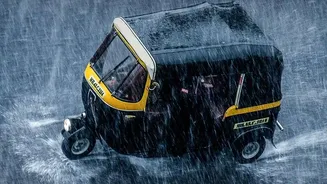
The most fundamental error is treating the monsoon as a predictable, gentle shower. Rains can be torrential and unpredictable, leading to flash floods and landslides, especially in hilly and coastal areas. Before you leave and each morning of your trip,
check official weather forecasts and local traffic updates. Authorities may close roads or tourist spots with little warning. Ignoring these alerts, particularly in regions like Uttarakhand, Himachal Pradesh, or the Western Ghats, is a significant risk. A flexible itinerary is your best friend; be prepared to change plans or stay put if conditions become unsafe.
2. Packing the Wrong Clothes and Footwear
That favourite pair of jeans and heavy cotton t-shirts? Leave them at home. Cotton and denim absorb moisture and take ages to dry in the high humidity, leading to discomfort and fungal infections. Instead, opt for lightweight, synthetic fabrics like polyester or nylon that dry quickly. Footwear is equally critical. Leather shoes will be ruined, and fashion sandals can be dangerously slippery. Pack a pair of sturdy, waterproof sandals with good grip or rubber flip-flops for walking around. And never underestimate the value of a reliable raincoat and a compact umbrella.
3. Choosing a High-Risk Destination
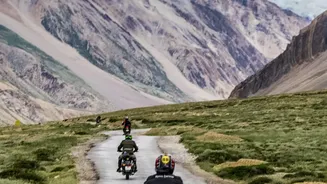
Not all destinations are created equal during the monsoon. While places like Munnar, Coorg, and parts of Rajasthan are stunning, other areas become hazardous. Regions prone to major landslides and flooding, such as the pilgrimage routes in Uttarakhand or certain roads in Darjeeling and Sikkim, are best avoided. Similarly, major cities like Mumbai can come to a standstill due to waterlogging. Research your destination thoroughly. Opt for places known for their monsoon beauty and accessibility, like the rain shadow region of Ladakh or the picturesque landscapes of the Deccan plateau.
4. Underestimating Road Travel Dangers
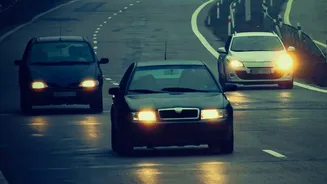
Driving during the monsoon requires extra caution. Wet roads reduce tyre traction, increase braking distances, and can hide dangerous potholes. It is crucial to reduce speed, maintain a safe distance from other vehicles, and ensure your car's wipers, tyres, and headlights are in perfect condition. Never attempt to drive through a waterlogged street; the water can be deeper than it appears and can damage your vehicle's engine. If visibility becomes too poor, it's safer to pull over and wait for the rain to subside. Hiring an experienced local driver who knows the terrain is often the wisest choice.
5. Neglecting Health and Hygiene
The monsoon is a peak season for water-borne and mosquito-borne diseases like cholera, typhoid, dengue, and malaria. One of the biggest mistakes is being lax about what you eat and drink. Avoid street food, especially items that have been sitting out, and drink only bottled, boiled, or purified water. Always carry a strong insect repellent and consider wearing full-sleeved clothing during the evenings to protect against mosquito bites. A basic first-aid kit with antiseptic cream, bandages, and medication for common ailments is also essential.
6. Forgetting to Protect Electronics
High humidity and sudden downpours are a recipe for disaster for your expensive gadgets. A standard backpack won't offer sufficient protection. Invest in waterproof bags or, at the very least, use waterproof pouches or zip-lock bags for your phone, camera, passport, and other important documents. Power cuts are also common during this season, so carrying a fully charged power bank is a non-negotiable. It’s a simple precaution that can save you from a lot of hassle and expense.
7. Booking an Inflexible Itinerary
Monsoon travel is all about embracing the unexpected. Flights can be delayed, trains rescheduled, and roads blocked for hours or even days. Packing your itinerary too tightly with back-to-back bookings is a recipe for stress. The biggest mistake is assuming everything will run on schedule. Build buffer days into your travel plan. Opt for flexible or refundable bookings where possible. This allows you to adapt to the weather without the added pressure of losing money on pre-booked tours or non-refundable hotel rooms.