



A Timeless Tradition of Taste
For generations, Indian kitchens have mastered the art of preservation through pickles and chutneys. These preparations were not just about adding flavour; they were a clever way to capture the essence of seasonal produce, ensuring that the taste of summer
mangoes or winter amla could be enjoyed long after the season ended. Chutneys are the unsung heroes of our cuisine, capable of transforming a simple meal with a single spoonful. Today, this age-old practice is seeing a resurgence as home cooks look for authentic, healthy ways to use the fresh fruits available in their local markets.
Why Eating Seasonally Matters
Choosing seasonal fruits is one of the best decisions you can make for your health and palate. Fruits harvested at their peak are packed with higher levels of vitamins, minerals, and antioxidants. They simply taste better and are often more affordable due to their abundance. Eating seasonally also means consuming produce that is naturally ripened and requires fewer chemicals for storage and transportation, making it a cleaner choice. Furthermore, it aligns with our body's natural needs—hydrating fruits in the summer and nutrient-dense options in the winter.
Summer's Gold: Mango and More
Summer in India is synonymous with mangoes, and the possibilities for this king of fruits are endless. A raw mango chutney, with its tangy and spicy notes, is a classic accompaniment to any meal. You can make a simple version by grinding raw mango with mint, coriander, and green chillies. For a sweet and spicy relish, ripe mangoes can be cooked down with sugar or jaggery, ginger, and a pinch of chilli flakes. But summer offers more. Hydrating fruits like watermelon and lychee, though not traditional chutney ingredients, can be blended into refreshing, light dips perfect for a hot day.
Monsoon Magic: Plums and Peaches
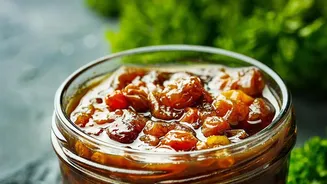
The monsoon brings a welcome respite from the heat and a new array of fruits like plums, peaches, and jamuns. These fruits lend themselves beautifully to sweet and tart chutneys. A plum chutney, for instance, can be made by stewing the fruit with sugar, a cinnamon stick, and star anise until it breaks down into a thick, jewel-toned condiment. This pairs wonderfully with toast, parathas, or even as a glaze for grilled paneer. Peaches can be similarly cooked down with ginger and spices to create a jam-like chutney that brightens up any dish.
Winter Wellness: Amla and Guava
Winter brings powerhouse fruits like amla (Indian gooseberry) and guava. Amla is revered in Ayurveda and is an incredible source of Vitamin C, making it a great immunity booster for the colder months. An amla chutney is easy to prepare—simply boil and deseed the fruit, then grind it with coriander, green chillies, ginger, and spices. Guava, another winter favourite, makes a fantastic spicy-sweet chutney. Ripe guava pulp can be blended with lemon juice and green chilli for a simple, fresh-tasting dip. For a more robust flavour, semi-ripe guava can be cooked with onions, tamarind, and lentils before grinding.
From Chutney to Modern Dip
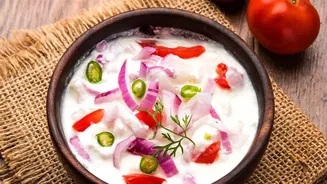
While traditional chutneys remain a staple, the modern kitchen has embraced the concept of 'dips'. The line can be blurry, but dips are often creamier and served for snacking. You can easily give your fruit chutney a modern twist by blending it with yogurt or cream cheese to create a flavourful dip for chips or vegetable sticks. For example, a mango chutney mixed with Greek yogurt creates a delicious dip that cools the palate after a spicy meal. You can also make simple fruit dips from scratch by blending fruits like strawberries or mango with yogurt for a healthy and refreshing snack.