





The Cultural Shift to Smarter Fitness
For decades, the fitness world was dominated by a single, punishing mantra: push through the pain. But a growing understanding of physiology, combined with a collective burnout from high-intensity lifestyles, has paved the way for a more intelligent approach.
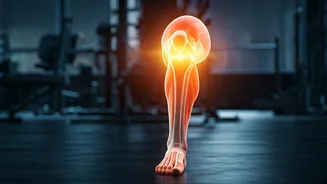
The new wisdom understands that muscle growth, endurance, and overall performance don't happen during the workout itself, but during the recovery period that follows. Ignoring recovery doesn’t make you tougher; it makes you more prone to injury, burnout, and plateaus. This trend is about seeing rest not as a passive activity, but as an active, crucial part of your fitness journey. It’s about longevity, sustainability, and feeling good, not just looking a certain way.
Cold Plunges: The Icy Shock to Your System
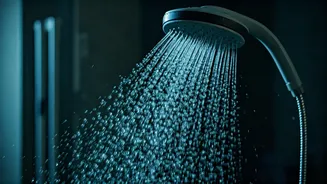
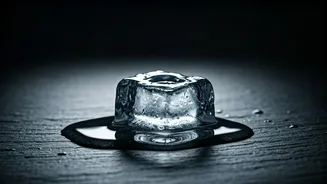
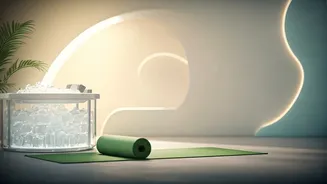
You've likely seen them all over social media: athletes and celebrities submerging themselves in tubs of ice-cold water. Cold water immersion, or the 'cold plunge', is one of the biggest trends in modern recovery. The theory is that the intense cold constricts blood vessels, which can help reduce inflammation and muscle soreness after a tough workout. Once you get out, the vessels dilate, flushing out metabolic waste. Proponents also rave about the mental benefits, including a rush of endorphins, improved mood, and enhanced discipline. While the science is still evolving, many find the practice invigorating. For those not ready to fill a tub with ice, starting with 30-second cold blasts at the end of your shower can be a great entry point.
Breathwork: The Free and Powerful Tool
Recovery isn't just physical; it's mental and neurological. This is where breathwork comes in. While practices like pranayama have been a cornerstone of yoga in India for centuries, specific, structured breathing techniques are now hitting the global mainstream as a powerful recovery tool. By consciously controlling your breath—using methods like box breathing (inhale for four, hold for four, exhale for four, hold for four) or the Wim Hof method—you can influence your autonomic nervous system. This can help shift your body from a stressed, 'fight-or-flight' state to a relaxed, 'rest-and-digest' state, lowering your heart rate, reducing cortisol levels, and promoting faster recovery.
Tech-Assisted Recovery: Compression and Percussion
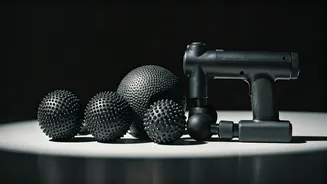
Technology has entered the recovery game in a big way. Two of the most popular tools are percussion massagers (like Theragun) and compression boots (like NormaTec). Percussion guns deliver rapid, targeted pulses deep into muscle tissue, which can help release knots, ease muscle tightness, and increase blood flow to the area. They are essentially a DIY deep-tissue massage. Compression boots, on the other hand, use dynamic air compression to create a massaging effect on your limbs, starting from your feet and moving upwards. This process is designed to enhance circulation and help move lymphatic fluid, which can speed up the removal of exercise-induced waste products and reduce soreness.
Active Recovery: The Art of Moving Gently
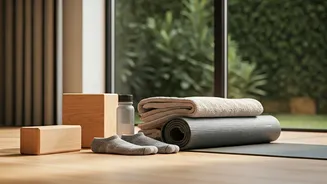
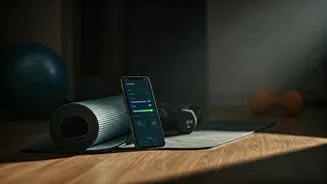
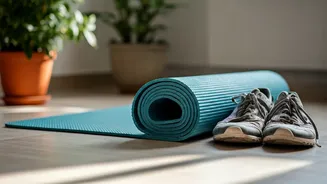
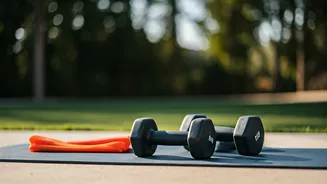
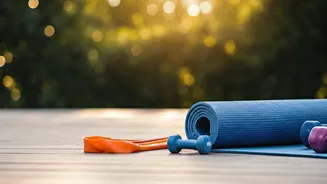
Recovery day no longer means being a couch potato. The concept of 'active recovery' is built on the idea that light, gentle movement is more beneficial for sore muscles than complete stillness. Activities like a leisurely walk, a gentle swim, foam rolling, or a restorative yoga class increase blood flow to your muscles without putting them under significant strain. This enhanced circulation delivers oxygen and nutrients that aid repair while helping to clear out the byproducts of intense exercise. Many elite athletes and trainers now program active recovery days into their weekly schedules, proving that sometimes the best way to prepare for your next hard workout is to keep moving, just a little.