


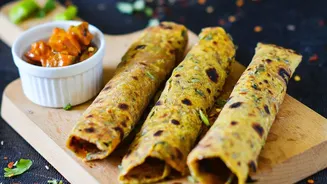
The perfect urad dal vada is a thing of beauty: shatteringly crisp on the outside, unbelievably light and fluffy within. This beloved South Indian snack seems like a restaurant specialty, but making them at home is easier than you think.
The Foundation: Soaking the Urad Dal
The journey to
a perfect vada begins with one key ingredient: skinless, split urad dal (black gram lentils). Quality matters, so start with good lentils. The first crucial step is soaking. Rinse the dal thoroughly until the water runs clear, then submerge it in ample water for at least four to six hours. This step is non-negotiable. Under-soaked dal results in hard, dense vadas, while over-soaking (beyond eight hours) can make the batter too watery, causing the vadas to absorb excess oil. Proper soaking ensures the lentils are hydrated enough to grind into a smooth, airy batter.
The Secret to Fluffiness: Grinding the Batter
This is where the magic happens. After soaking, drain the dal completely, ensuring no excess water remains. Grind the lentils into a thick, smooth paste using a wet grinder or a high-powered mixer. The trick is to add as little water as possible—just a few tablespoons at a time, preferably ice-cold water to prevent the batter from heating up. A warm batter can lead to hard vadas. The goal is a thick, fluffy consistency. Once ground, transfer the batter to a bowl and whisk it vigorously by hand or with a whisk for several minutes. This incorporates air, which is essential for a light texture. To check if it's ready, drop a small dollop of batter into a bowl of water; if it floats, it's perfect.
Adding Flavour and Crunch
A plain urad dal batter is good, but added aromatics make it exceptional. Traditionally, the batter is seasoned with finely chopped green chillies, ginger, curry leaves, and sometimes whole peppercorns. A pinch of asafoetida (hing) adds a classic savoury note and aids digestion. For extra crispiness, many cooks swear by adding a tablespoon or two of rice flour. Finely chopped onions or fresh coconut pieces can also be mixed in for added texture and flavour, but they should be added just before frying to prevent the batter from becoming watery.
Shaping the Vadas
The iconic doughnut shape can be intimidating, but a simple technique makes it manageable. Keep a small bowl of water handy. Wet your hands, take a lemon–sized portion of batter onto your palm, and flatten it slightly. Use your thumb to poke a hole through the center. The water prevents the sticky batter from clinging to your fingers, allowing it to slide off easily into the hot oil. If you're a beginner, don't worry about achieving a perfect shape. You can simply drop spoonfuls of batter into the oil; they will taste just as delicious. You can also shape the vada on a wet piece of banana leaf or a ziplock bag before sliding it into the pan.
Heat oil in a deep pan over a medium flame. The oil temperature is crucial. If it's not hot enough, the vadas will soak up oil and become greasy; if it's too hot, they will brown too quickly on the outside while remaining raw inside. To test the oil, drop a tiny bit of batter into it. It should sizzle and rise to the surface steadily without browning immediately. Gently slide the shaped vadas into the oil, being careful not to overcrowd the pan. Fry them in small batches, flipping occasionally, until they are an even golden brown and crisp all over. This should take a few minutes per batch. Once done, remove them with a slotted spoon and place them on a rack to drain any excess oil.
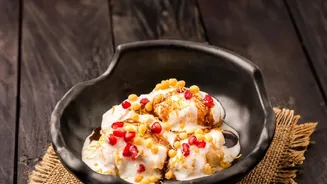
Urad dal vadas are best enjoyed hot and fresh, right after frying. They are a classic breakfast item in South India, often served alongside idli or pongal. The most popular way to serve them is dunked in a bowl of hot, tangy sambar (sambar vada) or alongside a side of fresh coconut chutney. They also make for a fantastic evening snack with a cup of hot tea or coffee. Whether you dip them, dunk them, or eat them plain, these crispy, fluffy fritters are a rewarding treat that brings an authentic taste of South Indian cuisine right into your kitchen.