






Meet the Vibrantly Refreshing Dragon Fruit
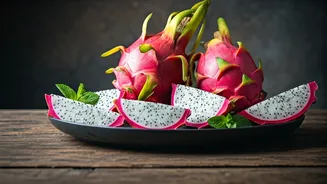
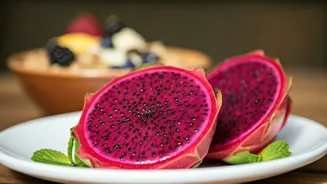
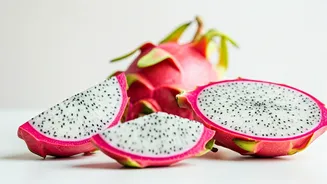
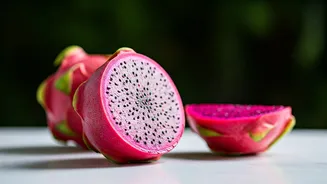
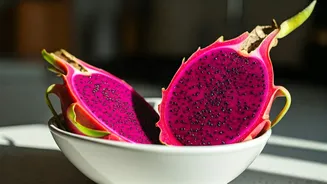
Dragon fruit, also known as pitaya, is a tropical fruit that looks as fantastical as its name suggests. With a bright pink or yellow exterior and green, leafy scales, it’s a showstopper in any fruit bowl. Inside, you’ll find white or magenta flesh speckled
with tiny, edible black seeds. But its most defining characteristic for dessert-making is its flavour and texture. Often described as a delicate cross between a kiwi and a pear, dragon fruit is mildly sweet and incredibly refreshing. This subtlety is its superpower, allowing it to enhance desserts without overpowering them.
The Science of a Lighter Bite
The primary reason dragon fruit can make desserts feel lighter is its composition. The fruit has an exceptionally high water content, often exceeding 85%. This high moisture level contributes to a juicy, succulent texture that feels inherently refreshing and less dense than other fruits. Furthermore, dragon fruit is relatively low in calories and fat while being a good source of dietary fibre. Fibre helps provide structure and a feeling of fullness without adding the caloric weight of sugars or fats. This combination of high water and fibre content means you can add bulk and moisture to a dessert without making it heavy.
A Mild Flavour That Doesn't Weigh Down
Heavy desserts are often characterized by intense, rich flavours—think deep chocolate, heavy cream, or caramel. Dragon fruit offers a delightful contrast. Its mild sweetness doesn't compete with other ingredients but rather complements them. The white-fleshed variety, in particular, is known for being the most subtle. This allows you to create desserts where the natural lightness of the fruit shines through. You can use it as a base for mousses, sorbets, or smoothies, adding texture and juiciness without a cloying sweetness that can make a dessert feel leaden. The flavour is clean, allowing the entire dish to taste fresher.
A Feast for the Eyes and the Palate
Part of what makes a dessert feel “light” is psychological, and this is where dragon fruit truly excels. The spectacular colour of the pink or magenta-fleshed varieties adds a stunning, natural vibrancy that we associate with freshness and health. A brilliantly pink sorbet or panna cotta simply looks lighter and more appealing than a dense, brown pudding. The tiny black seeds also contribute a pleasant, kiwi-like crunch, adding textural interest that prevents the dessert from feeling monotonous or overly smooth. This visual and textural appeal tricks the brain into perceiving the dessert as less heavy before you even take the first bite.
Easy Ways to Lighten Up Your Desserts
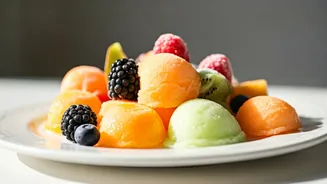
Incorporating dragon fruit is simple. For a start, try making a refreshing sorbet by blending cubed dragon fruit with a splash of lime juice and a touch of sweetener. It can also be diced and folded into yogurt parfaits, whipped into a light mousse, or blended into no-bake cheesecake fillings to add moisture and cut through the richness of cream cheese. Even simply arranging slices of dragon fruit on top of a pavlova or tart adds a burst of freshness and visual flair. For smoothies and smoothie bowls, frozen dragon fruit packs are a convenient way to achieve a thick, creamy consistency without needing heavy ingredients like ice cream.
Choosing and Prepping Your Fruit
To get the best experience, you need a ripe dragon fruit. Look for a fruit with bright, evenly coloured skin. Avoid those with many brown spots or dry, brittle-looking leaves. The fruit should give slightly when you press on it, similar to a ripe avocado or kiwi. An under-ripe dragon fruit will be flavourless. To prepare it, simply slice the fruit in half lengthwise and scoop out the flesh with a spoon. You can also peel the skin off and chop the flesh into cubes. The skin itself is not typically eaten, though it's sometimes used for its colour.