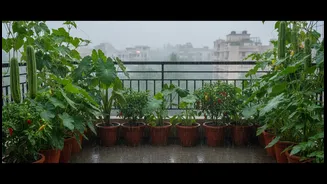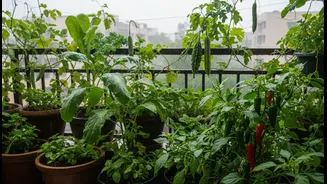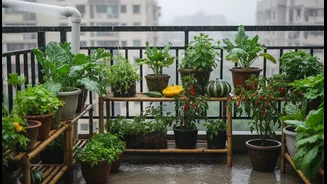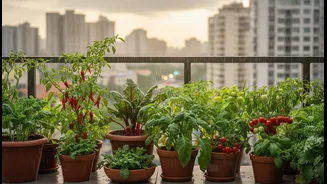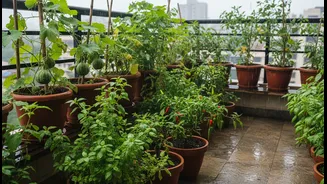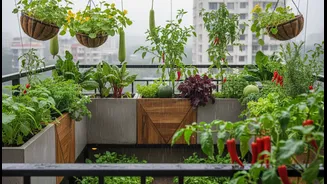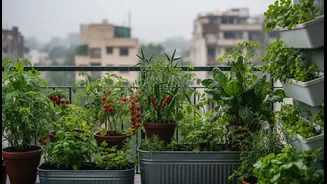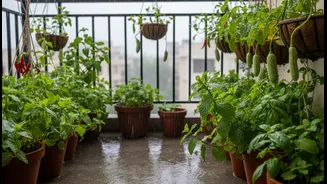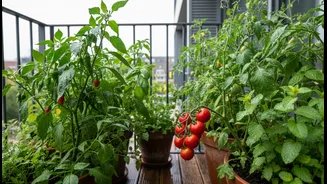




Why an Edible Balcony This Monsoon?
The allure of an edible balcony garden goes beyond aesthetics. It’s a connection to the food you eat and a source of quiet satisfaction. There's a special magic in snipping fresh coriander for a curry or a sun-warmed tomato for a salad, moments before
a meal. The benefits are tangible: you get pesticide-free produce that is bursting with flavour, something store-bought vegetables often lack. Gardening is also known for its therapeutic benefits, serving as a stress-buster and a light physical activity that helps you reconnect with nature. During the monsoon, the cool, humid weather and natural watering create ideal conditions for many plants to thrive, making it one of the easiest times for beginners to start. Your small green corner can become a productive, delicious oasis.
Choosing Your Monsoon Champions
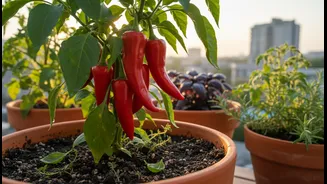
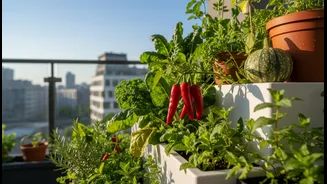
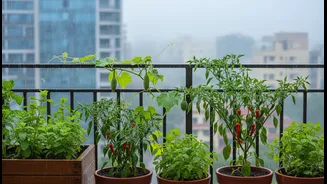
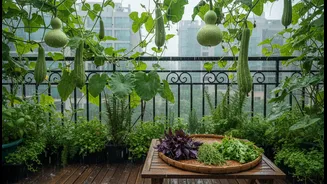
The key to a successful monsoon garden is choosing plants that flourish in high humidity and moderate temperatures. Leafy greens are a great starting point; spinach (palak), amaranth (chaulai), and fenugreek (methi) grow rapidly and can be harvested multiple times. Herbs are also perfect for pots. Mint, coriander, and holy basil (tulsi) are resilient and essential in any Indian kitchen. For fruiting vegetables, start with chillies and tomatoes, which adapt well to monsoon conditions. Gourds are the undisputed champions of the rainy season, with varieties like bottle gourd (lauki), bitter gourd (karela), and ridge gourd (turai) producing abundantly, though they will require a strong trellis for support. Okra (bhindi), beans, and brinjal also do exceptionally well in the warm, moist environment.
Setting Up for Success
Before you begin, assess your balcony's sunlight. Most vegetables need at least four to six hours of direct sun. An east-facing balcony is great for herbs, while a south-facing one is ideal for sun-loving tomatoes and chillies. The most critical element during the monsoon is drainage. Ensure every pot or grow bag has clear drainage holes to prevent waterlogging and root rot. Using lightweight containers like plastic pots or fabric grow bags is advisable for balconies. Do not use heavy garden soil, which compacts easily. Instead, opt for a light, well-draining potting mix. A good DIY recipe is a combination of equal parts cocopeat, compost (like vermicompost), and perlite, which provides aeration and retains moisture without becoming soggy.
Essential Monsoon Care
During the rainy season, overwatering is a greater risk than underwatering. Always check if the top inch of soil is dry before watering your plants. On days with heavy rain, you likely won't need to water at all. To further prevent waterlogging, you can elevate your pots on stands or bricks. The increased humidity can also invite fungal diseases like powdery mildew. Ensure good air circulation by not overcrowding your plants. As a preventative measure, you can spray a diluted neem oil solution (about 5ml of oil mixed with a litre of water and a few drops of liquid soap) on the leaves every 10-14 days. Also, watch out for common monsoon pests like slugs and snails. Removing them by hand or using natural deterrents like crushed eggshells around the base of your plants can be effective.
Harvesting and Enjoying Your Bounty
The true reward of your efforts lies in the harvest. For leafy greens like spinach and coriander, you can start snipping the outer leaves once the plant is established. This encourages continuous growth, providing you with fresh greens for weeks. Fruiting plants like chillies and okra should be picked regularly once they reach a usable size to encourage the plant to produce more. Don't aim for complete self-sufficiency at first. The joy is in the simple act of growing and eating your own food, no matter how small the harvest. That connection to your plate is a unique pleasure that transforms a simple meal into a celebration of your own little green space. It is a rewarding experience that brings flavour, freshness, and a bit of nature right to your doorstep.