








Beyond Larks and Owls: Understanding Your Chronotype
For generations, society has praised the early riser. Waking up with the sun is often seen as a sign of discipline and a direct path to success. Meanwhile, those who thrive in the later hours are frequently labelled as lazy or unmotivated. This simple
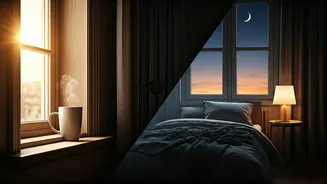
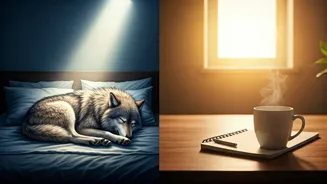
binary, however, ignores a fundamental aspect of our biology: our chronotype. A chronotype is your body's natural tendency to sleep and be active at certain times during a 24-hour period. It’s not a matter of preference or willpower; it's deeply rooted in your genetics and driven by your internal body clock, or circadian rhythm. This internal clock regulates everything from hormone release and body temperature to metabolism and alertness. While 'lark' (morning person) and 'owl' (evening person) are the most well-known, most people actually fall somewhere in between, with their own unique peaks and troughs of energy throughout the day.
The Hidden Cost of Fighting Your Body Clock
When your lifestyle clashes with your biological clock—for example, a night owl forced into a 6 AM start time—you experience what scientists call 'social jetlag'. This isn't just feeling a bit groggy on a Monday morning; it's a chronic misalignment between your internal time and the demands of your social and work life. This constant conflict can have significant health consequences. Studies have linked social jetlag to an increased risk of obesity, type 2 diabetes, heart disease, and even mental health issues like depression. When we are active, eating, and working at the 'wrong' biological time, we put a strain on our metabolism and other bodily systems. The result is often poor sleep quality, chronic fatigue, and reduced cognitive function, which can negatively impact performance at work or school.
Productivity Isn't a One-Size-Fits-All Schedule
The idea that you must do your most demanding work first thing in the morning is misguided advice that only truly benefits early chronotypes. Each chronotype has its own peak productivity window. Morning types, or 'larks', are often most alert in the early to mid-morning. In contrast, evening types, or 'owls', may not hit their cognitive stride until late morning or even the afternoon, often experiencing a second wind of creativity and focus in the evening. Forcing an evening person to tackle a complex problem at 9 AM is as inefficient as asking a morning person to lead a brainstorming session at 9 PM. Understanding your natural energy rhythm allows you to schedule your day for maximum efficiency. By aligning your most challenging tasks with your peak productivity hours and saving simpler, administrative tasks for your energy troughs, you can work smarter, not harder.
How to Work With Your Natural Rhythm
While completely overhauling your work schedule may not be possible, there are practical steps you can take to better align your day with your chronotype. Start by identifying your natural patterns. On days off, when do you naturally wake up and feel most energetic? Use this as a guide. Try to schedule your tasks accordingly, front-loading difficult work into your peak hours. It's also crucial to maintain a consistent sleep schedule, even on weekends, to minimise social jetlag. Exposure to natural light in the morning is a powerful signal that helps reset your body clock, regardless of your chronotype. As awareness grows, some workplaces are beginning to offer flexible hours, acknowledging that productivity isn't tied to a rigid 9-to-5 schedule. Communicating your energy patterns to colleagues can also help manage expectations and foster a more respectful and efficient team environment.