






Why the Sudden Scrutiny?
In recent months, tales of travellers being denied entry to the United Arab Emirates have become more common. The reason is simple: UAE authorities have tightened their screening processes to ensure visitors are genuine tourists with the means to support
their stay, not individuals seeking illegal work. This has led to increased scrutiny at the airport, where immigration officers now frequently ask for more than just a passport and a visa. An incomplete application, a suspicious travel history, or a mismatch between your stated purpose and your documents can lead to a swift rejection. Adopting a 'document-first' mindset means treating every piece of paper as a crucial part of your journey, ensuring your travel intent is clear and verifiable from the moment you apply for your visa to when you face the immigration officer.
The Visa: Your Foundation Document
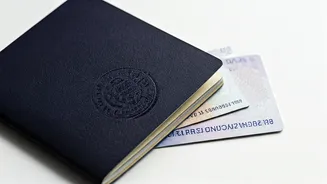
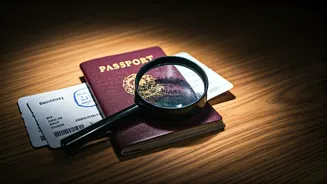
Your visa is the bedrock of your trip. Whether you're getting a pre-arranged e-visa or are eligible for a 14-day visa on arrival (for instance, if you hold a valid US or EU visa), accuracy is paramount. Even a tiny typo—a misspelled name or an incorrect passport number—can lead to an automatic rejection because immigration systems rely on exact data matching. Before applying, ensure your passport is valid for at least six months from your date of travel. When you receive the visa, check every detail. Is your name spelled correctly? Is the passport number right? Is the visa type (e.g., tourist, transit) correct for your travel purpose? Mismatches can raise red flags and jeopardize your entry.
Beyond the Visa: Proving Your Intent
Immigration officials are increasingly looking for proof that you are a genuine tourist who plans to return home. This is where your supporting documents become critical. Be prepared to present a confirmed return flight ticket, proof of accommodation for your entire stay, and evidence of sufficient funds. While there's no official magic number for funds, showing you have access to AED 3,000 to 5,000 (roughly ₹68,000 to ₹1,15,000) through bank statements, credit cards, or cash is a wise move. Your hotel bookings should match the dates on your flight tickets and visa application. These documents together create a coherent story: that you are a visitor with a clear plan and the financial stability to enjoy your trip without issues.
The 'Ok to Board' Checkpoint
For many Indian travellers, especially those with ECR (Emigration Check Required) passports or travelling on certain e-visas, an 'Ok to Board' (OTB) approval from the airline is mandatory. This is a visa verification step initiated by airlines to prevent people with fraudulent visas from travelling. After you get your visa, you must submit it to your airline for this approval, which is then noted in their system. Without an OTB status, you won't even be allowed to check in for your flight. This process can take up to 48 hours, so it's crucial to handle it well before your departure date. Note that passengers eligible for visa-on-arrival or those with resident permits generally do not need this approval.
Digital and Physical: Your Document Toolkit
In the digital age, it's easy to rely on your phone for everything. While having digital copies of your passport, visa, flight tickets, and hotel bookings is smart, it's not enough. Always carry clear, physical printouts of all essential documents. Immigration authorities at Dubai International, for example, may require a hard copy of your visa for screening procedures, and charge a fee if you need one printed on the spot. A dead phone battery, a network issue, or a system glitch can block access to your digital files at the worst possible moment. A simple folder with organised printouts is your best backup, ensuring you can present any required document without panic or delay. This simple habit reinforces the document-first mindset and prepares you for any eventuality.