






The Rise of the Solo Diner
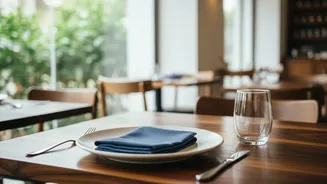
Not long ago, occupying a table alone often felt like an apology was needed. Today, the sight of a solo diner—lost in a book, scrolling through a phone, or simply savouring a meal—is increasingly common across Delhi, Gurugram, and Noida. What was once
considered an exception is now a legitimate and growing consumer segment. This isn't just about grabbing a quick bite; it spans the spectrum from casual cafes to fine-dining establishments. From professionals on a work lunch to individuals seeking a quiet moment of self-care, the solo diner is no longer an outlier but an intentional guest. This trend reflects a broader cultural acceptance of individualism and personal time in fast-paced urban centres.
Why Now? The Drivers of the Trend
Several factors are fuelling this shift. Urbanisation and the influx of migrant professionals living independently in corporate hubs like Gurugram and Noida have normalised eating alone as part of a daily routine. For many young, upwardly mobile Millennials and Gen Zs, dining out is less a luxury and more an extension of their lifestyle, with an emphasis on personal and flexible experiences. This generation is more willing to pursue their interests independently rather than wait for company. Furthermore, the desire for personal space and moments of introspection in an otherwise hectic life has turned solo dining into a form of self-care. It’s a chance to unwind, enjoy food without distraction, and simply be, a choice that is increasingly seen as a sign of agency, not loneliness.
How the Restaurant Industry Is Responding
The hospitality industry, historically geared towards families and large groups, is taking notice and adapting. Restaurants are beginning to see solo diners not as an operational compromise, but as a valuable and loyal customer base. This has led to tangible changes in restaurant design and service. Many establishments are incorporating more thoughtful seating, such as comfortable counter seats, cosy nooks, and communal tables that offer a sense of inclusion without forced interaction. Menus are also evolving, with the introduction of smaller, tasting-style portions and curated set meals for one, allowing individuals to explore multiple dishes without over-ordering. At high-end restaurants like Indian Accent, a chef's counter can be the best seat in the house, purpose-built for a single diner. Service is becoming more nuanced, with staff trained to be attentive yet non-intrusive, understanding when a guest wants conversation versus quiet solitude.
A Table for One, with No Apologies
For the diner, the experience is also changing. While some awkwardness can linger, particularly for women who may be more conscious of safety and social judgment, the overall sentiment is one of empowerment. Cafes are often seen as the most comfortable starting point for new solo diners, providing a casual atmosphere where being alone feels natural. Many now find joy in the freedom of eating at their own pace, ordering exactly what they want, and soaking in the ambiance without the need for conversation. What began as a personal search for solo-friendly spaces for some has even evolved into social media pages, like 'Table For One Delhi', which catalogue welcoming spots and foster a sense of community around the practice. This act of taking oneself out for a meal is being reframed as a deliberate and enjoyable choice—a 'solo date'.