




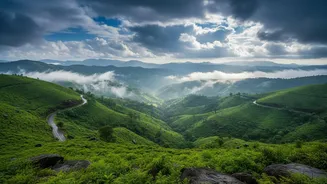
The Monsoon's Unpredictable Nature
India's monsoon season, typically lasting from June to September, is a time of dramatic transformation. While it brings relief from summer heat and nourishes the landscape, its intensity is notoriously unpredictable. Recent forecasts for August 2026 show
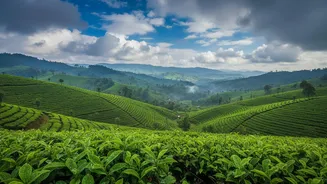
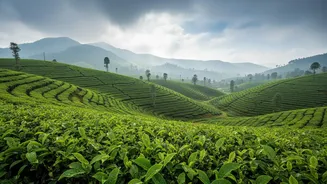
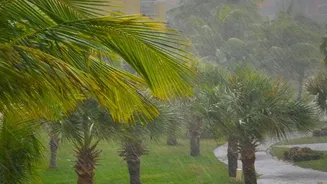
active monsoon conditions across large parts of the country, with the India Meteorological Department (IMD) predicting heavy to very heavy rainfall in Northeast, East, South, and Central India. States like Kerala, Karnataka, Assam, and Meghalaya are expected to see particularly intense spells. This widespread rain, while creating beautiful scenery, is also the primary cause of significant travel headaches for the unprepared.
Common Travel Disruptions
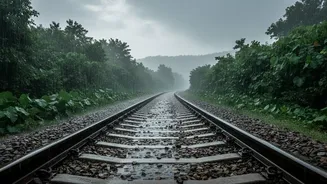
Heavy rainfall frequently leads to a domino effect of travel chaos. In cities like Mumbai, waterlogged streets can bring road traffic to a standstill and force the rerouting of bus services. Air travel is also heavily impacted; while rain itself doesn't stop planes, associated thunderstorms, poor visibility, and strong winds often lead to flight delays, diversions, and cancellations. The railway network, the backbone of Indian travel, is equally vulnerable. Flooded tracks force speed restrictions, and in hilly regions like the Western Ghats or the Himalayas, landslides can block routes entirely, leading to widespread train cancellations and diversions.
Why Flexibility Is Your Greatest Asset
Given the high probability of disruption, a fixed schedule can quickly turn a dream holiday into a stressful ordeal. Flexibility is no longer a luxury but a necessity. Building extra 'buffer' days into your itinerary allows you to navigate unexpected delays without missing crucial connections or bookings. It gives you the freedom to change your plans on short notice, whether that means swapping a planned trek for a day exploring a local museum or even rerouting your trip to a region less affected by severe weather. Booking refundable flights and hotels, where possible, provides a financial safety net against last-minute changes forced by the weather.
Practical Tips for Monsoon Travel
To make your monsoon journey smoother, preparation is key. Always check the latest district-level weather alerts from the IMD before and during your trip. Pack lightweight, quick-drying clothes, a reliable raincoat, and waterproof footwear. Protect your electronics and important documents in waterproof bags. Carry a basic first-aid kit with medicines for common ailments, as well as a powerful insect repellent to guard against mosquitoes. A power bank is also essential, as power cuts can be more frequent during heavy storms. Staying informed via weather apps and railway information systems like the National Train Enquiry System (NTES) can help you make timely decisions and avoid getting stranded.
Embracing the Journey, Rain and All
Ultimately, travelling during India's monsoon is about mindset. While the rain might postpone a planned activity, it also offers unique opportunities. Fewer tourists often mean lower prices for accommodation and a more intimate experience at popular sites. The rain-washed landscapes are at their most spectacular, and there's a certain magic to watching a storm roll in from the comfort of a local cafe. By letting go of a rigid plan and embracing the possibility of the unexpected, you can discover a more spontaneous and authentic side of India. A flexible schedule doesn't just help you avoid problems; it opens the door to adventures you never planned.