




The World Is Rolling Out the Welcome Mat
If your social media feed is suddenly full of friends taking spontaneous trips to Bangkok or Colombo, you’re not imagining it. There's a clear and exciting trend taking hold: a growing list of countries are dropping their visa requirements for Indian
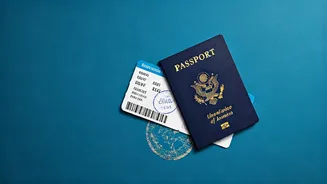
passport holders. This isn’t just a minor diplomatic tweak; it's a significant shift that’s making international travel more accessible, affordable, and spontaneous for millions. While the Indian passport currently allows visa-free access or visa-on-arrival to around 62 countries, what’s new is the strategic push from popular tourist destinations to actively court Indian visitors by temporarily or permanently removing visa hurdles altogether.
Why Is This Happening Now?
The short answer? Economics. In the post-pandemic world, countries heavily reliant on tourism are in a global competition for visitors. They've recognised that Indian travellers represent a massive, fast-growing, and high-spending market. Pre-pandemic, Indian tourists were already among the world's top travel spenders. Now, with a renewed appetite for travel, countries are realising that the cumbersome, time-consuming, and often expensive visa application process is a major barrier. By removing it, they make a simple and powerful pitch: 'Our country is open, and we want you here.' It's a calculated move to fill hotels, restaurants, and attractions by making the decision to travel as frictionless as possible.
Southeast Asia Opens Its Doors
The most significant moves have come from Southeast Asia, a long-time favourite for Indian holidaymakers. Thailand, a perennial top destination, recently announced visa-free entry for Indian citizens for a 30-day stay, a policy currently set to run until November 2024. This move was quickly followed by Malaysia, which also granted 30-day visa-free entry for Indians. These decisions are game-changers, turning what used to be a planned holiday into a potential long-weekend trip. The appeal is obvious: from the vibrant street food and markets of Bangkok to the pristine beaches of Krabi and the cultural tapestry of Kuala Lumpur, these destinations are now just a flight away, no paperwork required.
Island Escapes and New Frontiers
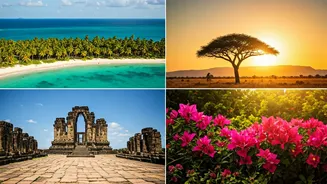
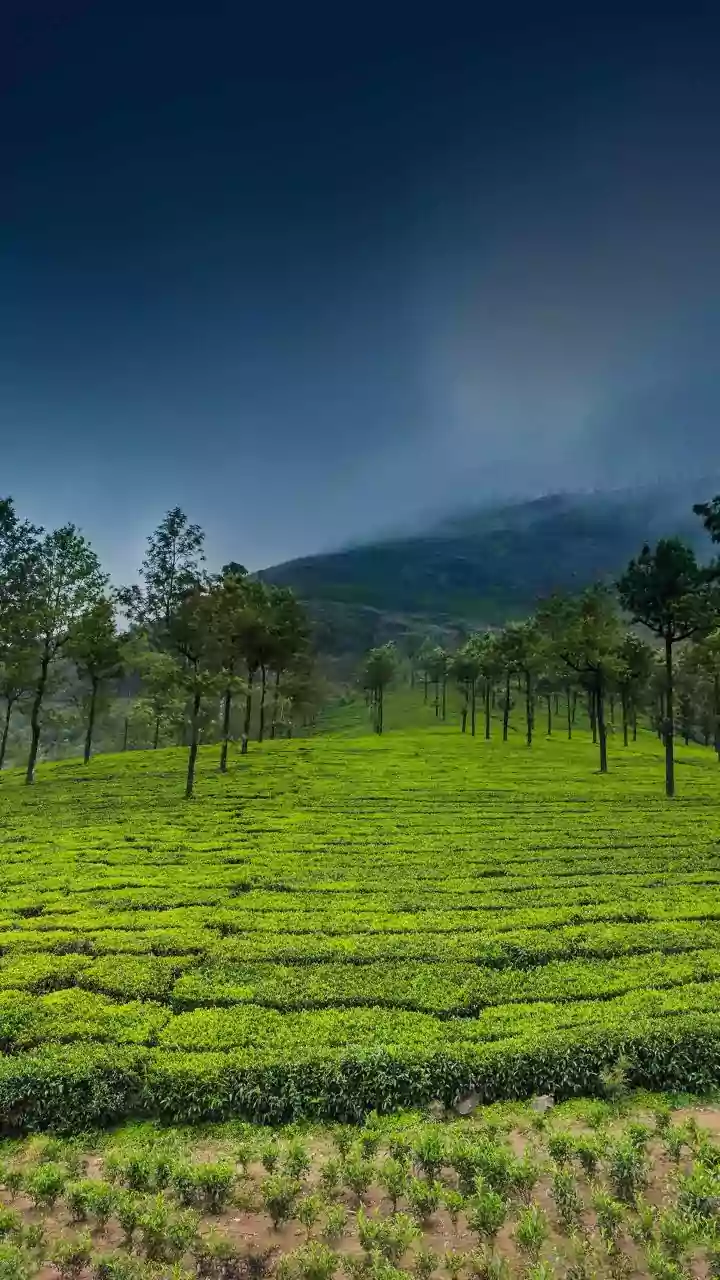
The trend isn’t limited to Southeast Asia. Our island neighbour, Sri Lanka, also launched a visa-free entry pilot programme for India and six other countries to revive its vital tourism sector. This makes exploring its stunning coastline, lush tea plantations, and ancient temples incredibly straightforward. Looking further afield, countries are making similar calculations. Kenya, home to the iconic Maasai Mara and a bucket-list safari destination, recently declared visa-free entry for all global travellers, including Indians, starting in January 2024. Even Iran has waived visa requirements for Indian tourists, opening up a path to explore its rich Persian history and architecture. Each announcement adds another exciting pin to the map of possibilities.
More Than Just Saving Money
The benefits of visa-free travel go far beyond saving the ₹2,000 to ₹5,000 visa fee. The real prize is freedom and spontaneity. It eliminates the anxiety of visa rejection and the tedious process of collecting documents—bank statements, flight bookings, hotel reservations, leave letters—weeks or months in advance. Now, you can book a flight for next week based on a good deal, not on a consular appointment. This shift empowers travellers to be more flexible and adventurous. It means less time spent on bureaucracy and more time spent planning the actual fun parts of your trip. It’s a fundamental change in the mindset of travel, from a heavily planned operation to a delightful, impulsive adventure.