







Track Your Performance Gains
One of the most empowering ways to see progress is to focus on what your body can do. Are you able to lift heavier weights, complete more repetitions, or run for a longer duration than when you started? Keeping a simple workout journal or using an app
can help you log these achievements. Seeing in black and white that you've gone from five push-ups to fifteen, or that your one-mile run time has decreased, is concrete proof of your growing strength and endurance. These performance-based goals are powerful motivators because they directly reflect your increased fitness levels and capability in everyday life.
Notice How Your Clothes Fit
The scale might not budge, but your favorite pair of jeans could be telling a different story. As you build muscle and lose fat—a process known as body recomposition—your physical shape changes. Muscle is denser than fat, meaning a pound of it takes up less space. You might notice your waist is slimmer, your shirts fit better across the shoulders, or a pair of trousers feels looser. This is often one of the first signs that your hard work is paying off, even before the scale reflects a significant change.
Take Your Body Measurements
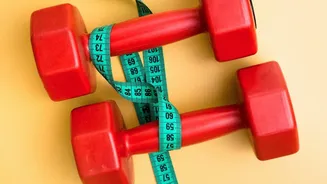
Using a soft measuring tape is a classic and effective way to track changes in your body composition. Taking measurements of your waist, hips, chest, and limbs once a month provides objective data on where you're losing fat and gaining muscle. Your waist circumference, in particular, is a strong indicator of metabolic health. To ensure consistency, always measure at the same time of day, such as in the morning before eating, and in the same spots on your body. Seeing inches melt away can be incredibly rewarding and offers a more detailed picture of your transformation than weight alone.
Monitor Your Energy and Mood
Fitness progress isn't just physical; it's mental and emotional, too. One of the most significant benefits of a consistent fitness routine is a boost in daily energy levels. You might find you're no longer hitting that afternoon slump or that you wake up feeling more rested. Regular exercise is also a proven mood-booster and can help reduce feelings of stress and anxiety. Pay attention to your mental state. Do you feel more confident, focused, or resilient? These 'non-scale victories' are powerful indicators of improved overall health.
Assess Your Sleep Quality
The quality of your sleep is a fantastic barometer of your overall well-being. As your fitness improves, you may notice that you fall asleep faster, sleep more deeply, and wake up feeling genuinely refreshed. Research has shown that exercise, particularly strength training, can significantly increase sleep duration for those who need it. Better sleep contributes to better recovery, improved mood, and more energy for your workouts, creating a positive feedback loop that accelerates your fitness journey. Tracking your sleep, either with a wearable device or simply by noting how you feel upon waking, can reveal progress you might otherwise miss.
Check In On Everyday Activities
Think about daily tasks that used to be challenging. Maybe it was carrying all the grocery bags in one trip, playing with your kids at the park without getting winded, or climbing a few flights of stairs. When these activities start to feel easier, it's a clear sign that your functional fitness is improving. This type of progress is arguably the most important, as it directly impacts your quality of life. Celebrate these moments when you realize your body is stronger and more capable of handling whatever the day throws at you.