


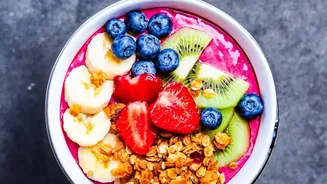

Is your morning smoothie leaving you hungry by 10 a.m.? There’s a simple, ancient secret to fixing that: millets. Adding these nutritious grains can transform your light drink into a satisfying meal that powers you through the morning.
The Secret to Staying Fuller, Longer
The primary reason
millets make smoothies more filling is their impressive nutritional profile. Millets are packed with complex carbohydrates and dietary fibre. Unlike the simple sugars found in many fruits, which are digested quickly, the complex carbs in millets release energy slowly. This gradual energy release prevents the dreaded mid-morning blood sugar crash and keeps you feeling satiated. The high fibre content also plays a crucial role; it adds bulk to the smoothie, slows down digestion, and promotes a feeling of fullness that significantly curbs the urge to snack before lunch.
A Nutritional Powerhouse in Every Sip
Beyond just being filling, millets infuse your smoothie with a wealth of nutrients. They are a fantastic source of plant-based protein, essential for muscle repair and keeping you energized. Millets are also rich in vital minerals like magnesium, which supports bone and heart health, and iron, which is crucial for energy production. Certain varieties, like Ragi (finger millet), are celebrated for their exceptionally high calcium content, even surpassing that of milk. As a naturally gluten-free grain, millets are an excellent choice for individuals with celiac disease or gluten sensitivity.
Choosing Your Millet
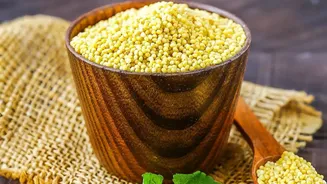
The Indian kitchen is blessed with a variety of millets, each with a subtle flavour profile. For smoothies, some of the best options include Ragi (Finger Millet), known for its cooling properties and high calcium content. Bajra (Pearl Millet) is rich in iron and protein. Lighter options like Foxtail Millet (Kangni) or Barnyard Millet (Kuthiraivali) have a mild taste and are excellent for weight management. Soaking millets for a few hours before cooking is highly recommended as it helps reduce anti-nutrients and makes them easier to digest.
Cook or Roast: The Essential Prep Step
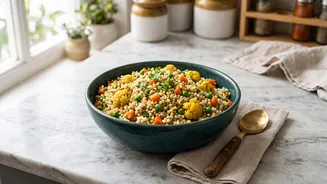
You should never add raw millet to your smoothie. Cooking or roasting is an essential step that makes the grains digestible and unlocks their benefits. Cooking is simple: just simmer the millet with water until it's soft and porridge-like, then let it cool. Roasting, on the other hand, involves gently toasting the grains in a dry pan until they release a nutty aroma. This enhances their flavour profile, giving your smoothie a richer, deeper taste. While high-heat roasting can reduce some B vitamins, gentle home roasting keeps most nutrients intact. Cooked millets create a creamier, thicker smoothie, while roasted millet flour blends in easily for a less dense texture.
How to Get Started: A Simple Guide
Incorporating millets is incredibly easy. Start with a small amount to see how you like the texture. A good starting ratio is about 1/4 cup of cooked millet (or 2–3 tablespoons of millet flour) per serving of smoothie. First, cook or roast your chosen millet and allow it to cool completely. You can even prepare a batch ahead of time and store it in the refrigerator for a few days. Then, simply add the prepared millet to your blender along with your favourite fruits (like banana or mango), a liquid (like milk, yoghurt, or coconut milk), and any other additions like nuts, seeds, or a natural sweetener like dates. Blend until everything is smooth and creamy.
Easy Ragi and Banana Smoothie
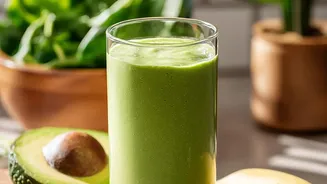
This classic combination is both delicious and incredibly nutritious. For one serving, blend 1/4 cup of cooked and cooled Ragi (finger millet), one ripe banana, one cup of milk (dairy or plant–based), and a teaspoon of honey or a few soft dates for sweetness. For an extra boost, add a handful of spinach; you won't taste it, but you'll get the added nutrients. The Ragi provides a substantial dose of calcium, while the banana adds creaminess and potassium, making this a perfect post–workout or breakfast smoothie.