






Why a Post-Monsoon Workation in Goa?
The period from September to November marks a magical transformation in Goa. The landscape is a vibrant green, the weather is pleasant, and the tourist crowds are yet to descend. This season offers a unique combination of lower accommodation prices and a tranquil
atmosphere, making it ideal for focused work. The air is fresh, the beaches are clean, and the famous Goan 'susegad'—a concept of relaxed contentment—is palpable. It’s a time when you can truly connect with the local culture, enjoy uninterrupted work sessions, and explore the state's natural beauty without the hustle and bustle of the peak season from December to February.
North vs. South: Choosing Your Coastal Base
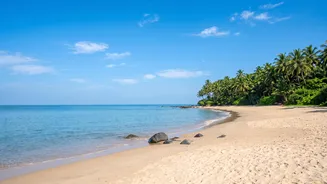
Your ideal Goan workation depends heavily on the vibe you seek. North Goa is the state's vibrant, social hub. Areas like Anjuna, Vagator, and Assagao are teeming with chic cafes, bustling markets, and a strong digital nomad community. It's the place to be if you thrive on networking and a lively social scene after work. In contrast, South Goa offers a more tranquil retreat. Beaches like Palolem, Patnem, and Agonda are known for their pristine beauty and quieter atmosphere. This region is perfect for those who want to disconnect, focus on deep work, and enjoy nature. While the North has more dedicated coworking spaces, the South provides a serene backdrop for uninterrupted productivity.
The Workspace: Cafes, Co-working, and Coliving
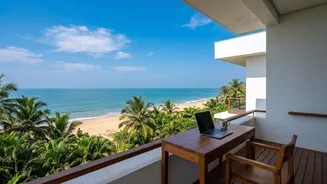
Goa's infrastructure for remote work has evolved significantly. While working from a beach shack is picturesque, for reliable connectivity, dedicated spaces are your best bet. North Goa, particularly Anjuna and Panjim, hosts numerous co-working spaces like NomadGao, Clay Coworking Café, and 91springboard, which offer high-speed internet, power backup, and a professional community. Many cafes have also become work-friendly hubs, such as Café Rasa and Babka, providing a great blend of good coffee and stable Wi-Fi. Coliving spaces are another excellent option, combining accommodation with a built-in community and workspace, simplifying your setup entirely.
Staying Connected: The All-Important Wi-Fi
Historically, inconsistent internet was a major challenge in Goa. However, the situation has improved dramatically, with fiber optic connections now available in many areas, offering speeds from 50 to 150 Mbps. While power cuts can still occur, especially in more rural villages, most co-working spaces and modern apartments have generator backups. For ultimate peace of mind, it's wise to have a mobile hotspot as a backup. Local SIM cards from providers like Jio or Airtel are inexpensive and offer excellent 4G coverage across most of the state, ensuring you can stay online even if the primary connection drops.
Life Beyond the Laptop: Embracing the Goan Lifestyle
A workation in Goa is as much about the 'cation' as it is about the work. The post-monsoon season is perfect for exploring. When you close your laptop, you can head out for a surf session, join a yoga class on the beach, or ride a scooter through lush paddy fields. Explore the vibrant flea markets in Anjuna, visit a fragrant spice plantation, or wander through the colourful Portuguese-influenced streets of Panjim's Fontainhas district. The food scene is a highlight, from fresh seafood at a beachside restaurant to fiery Goan curries at a local eatery. This balance is what makes Goa a premier destination for remote professionals.
The Practicalities: Visas and Living Costs
Currently, India does not offer a specific digital nomad visa, though plans have been discussed. Most remote workers enter on a tourist e-visa, which can be obtained for one to five years and allows for multiple entries, though each stay is typically limited to 90 or 180 days, depending on your nationality. It's crucial to check the latest regulations before you travel. In terms of cost, Goa remains highly affordable compared to Western standards. A solo digital nomad can live comfortably for approximately $800-$1200 per month, covering rent, food, transport, and leisure activities. Renting a scooter is the most common way to get around, costing around $100 per month.