




Why We Feel Overwhelmed
Stress is a physical reality. When we perceive a threat—whether it’s a looming deadline, a difficult conversation, or just the relentless pace of daily tasks—our body’s sympathetic nervous system kicks into gear. This is the “fight or flight” response,
which floods our system with stress hormones like cortisol. While this was useful for our ancestors facing immediate physical dangers, modern life often keeps us in a state of chronic, low-grade activation. This can lead to feelings of anxiety, irritability, and emotional exhaustion. The key to restoring balance is to intentionally activate the opposing system: the parasympathetic nervous system, also known as the “rest and digest” state.
Movement as a Mindful Reset
This is where mindful movement comes in. Yoga, at its core, combines physical postures with controlled breathing and present-moment awareness. This combination is a powerful recipe for nervous system regulation. By moving the body with intention and focusing on the physical sensations and the rhythm of the breath, you interrupt the cycle of anxious thoughts. Instead of your mind running the show, your body’s experience takes center stage. This process helps strengthen the connection between the brain and body, which is crucial for emotional regulation. The slow, deliberate movements and deep breathing send signals of safety to your brain, encouraging the shift from a stressed state to a calm one.
Your 10-Minute Emotional Reset Routine
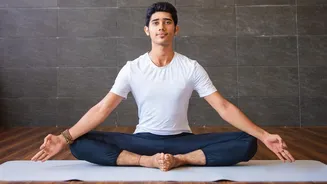
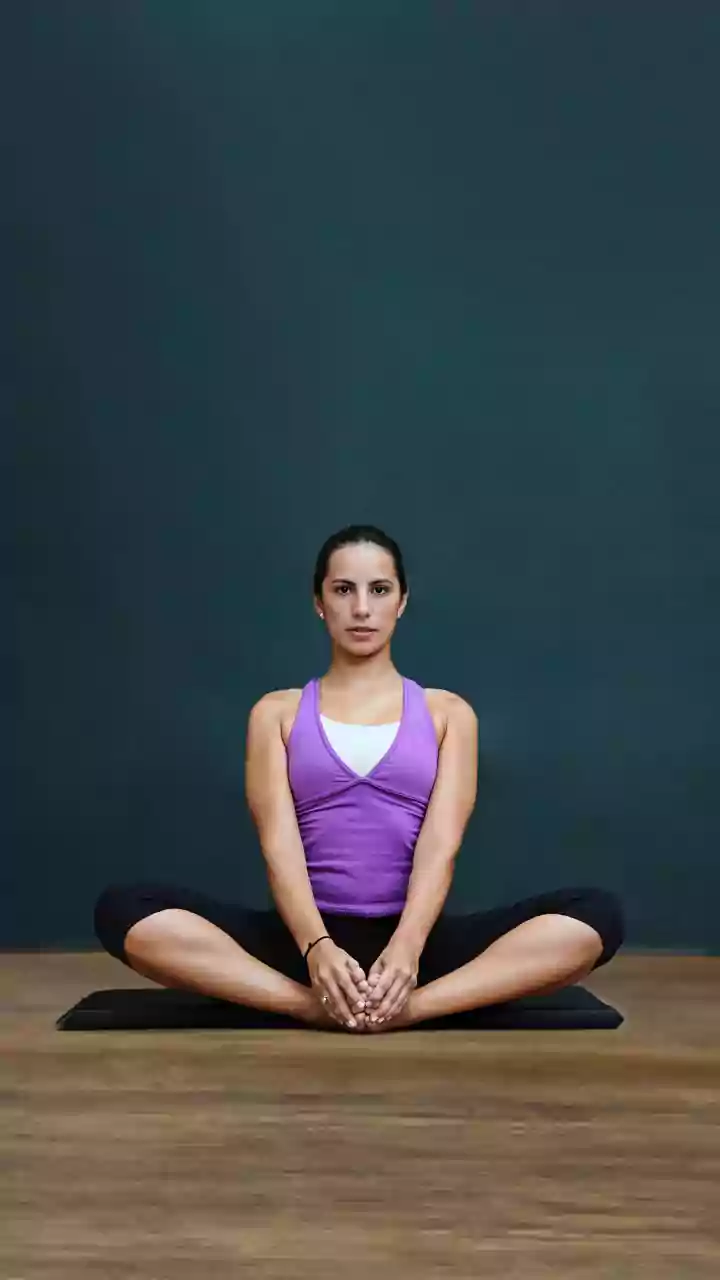
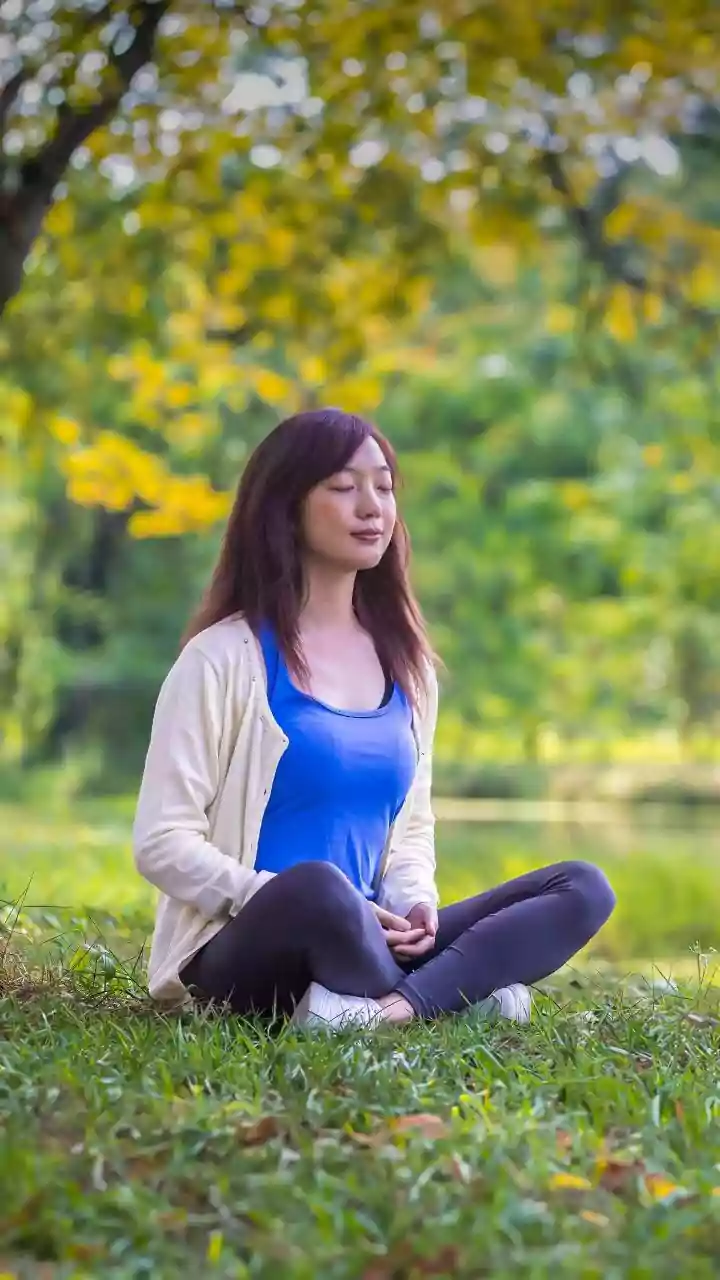
You don’t need an hour or a fancy studio. Just ten minutes on a mat, or even in a chair, can make a significant difference. Try this simple sequence: 1. Seated Breathing (2 minutes): Sit comfortably with a straight spine. Close your eyes. Inhale slowly through your nose for a count of four, and exhale slowly for a count of six. The extended exhale is key to calming the nervous system. 2. Cat-Cow Stretch (3 minutes): Come onto your hands and knees. As you inhale, drop your belly and look forward, opening your chest. As you exhale, round your spine, tucking your chin to your chest. Sync the movement with your breath, feeling the gentle stretch in your spine. 3. Child's Pose (3 minutes): From hands and knees, sit your hips back towards your heels and fold forward, resting your forehead on the floor. Your arms can be stretched out in front or resting alongside your body. Breathe deeply into your back, feeling the release in your hips and lower back. This pose is deeply comforting and calming. 4. Gentle Forward Fold (2 minutes): Slowly come to a standing position. With your knees slightly bent, hinge at your hips and fold forward, letting your head and neck hang heavy. This pose helps release tension in the back and hamstrings.
The Power of Consistency
It might be tempting to think that ten minutes isn't enough to have a real impact, but research and experience suggest otherwise. The benefit of a short practice comes from consistency. By taking just ten minutes each day, you are regularly training your nervous system to find its way back to a calm baseline. Think of it like building a muscle; each short session strengthens your ability to self-regulate. This practice creates new neural pathways in the brain, making it easier and more automatic to access a state of calm, even when you're off the mat. The goal isn't a single, perfect, hour-long session but rather a small, sustainable habit that supports your well-being over the long term.